Maintaining a clean mattress is essential for better sleep quality and overall mattress longevity. This guide covers practical steps that homeowners can follow using common cleaning tools, including mattress upholstery attachments, steam cleaners, and dedicated cleaning kits. The methods focus on removing stains, odors, dust mites, and allergens while protecting mattress integrity.
Quick Answer
Best fast method: Vacuum with a mattress upholstery attachment, spot-treat stains with a stain brush, then use a handheld steam cleaner to sanitize. For deeper refreshment, a carpet and upholstery extractor can pull out moisture and residues without soaking the core.
What You’ll Need
The following tools are commonly used for mattress cleaning. Gather each item before you start to streamline the process.
- Upright vacuum cleaner with mattress upholstery tool
- Handheld steam cleaner for mattress
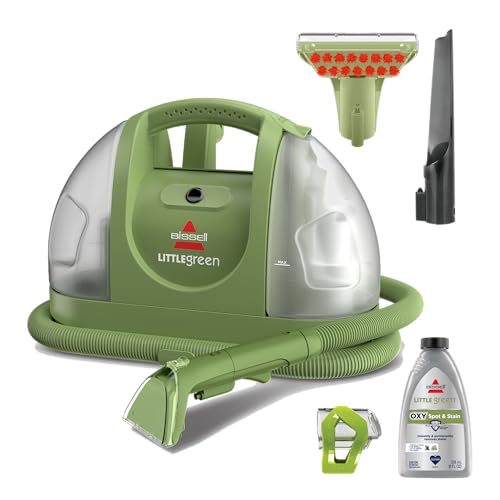
- Carpet and upholstery extractor for mattress cleaning
- Mattress cleaning tool kit with stain brush and attachments
- Bed mattress steam cleaning tool attachment


Before You Start
Prepare the area by removing bedding and ensuring good ventilation. Test any cleaning device on a small, inconspicuous area of the mattress to check for colorfastness or fabric sensitivity. Time estimates vary by method, but most routines take 60–90 minutes from start to finish, with drying time depending on humidity and airflow. Safety caution: Do not oversaturate the mattress; excessive moisture can lead to mold growth. If the mattress has a visible water stain or persistent odor, consider repeating steps or using a more powerful extractor in the final pass.
Step-By-Step: How To Clean A Mattress
- Remove all bedding and vacuum the mattress surface thoroughly using the mattress upholstery tool. This initial pass picks up dust, dead skin, and lint.
- Spot-clean stains with the stain brush from a mattress cleaning tool kit. Apply a mild cleaning solution or baking soda paste to stained areas and gently work in circular motions.
- Blot, don’t rub to lift stains. Use a clean cloth to absorb moisture, then re-treat stubborn spots as needed. Avoid soaking the fabric.
- Sanitize with steam using the handheld steam cleaner for mattress. Pass slowly over the surface to release moisture and kill airborne bacteria. Allow a short air-dry period between passes.
- Extract moisture if deeper cleaning is required. Use a carpet and upholstery extractor to pull out moisture and loosened soils, working in sections for even coverage.
- Deodorize sprinkle a light layer of baking soda across the entire surface, let sit 15–20 minutes, then vacuum again to remove odors and remaining residues.
- Dry completely ensure the mattress is fully dry before re-fitting sheets. Increase air circulation with a fan or window opening and avoid direct sunlight on the fabric for extended periods.
- Protect and maintain consider using a mattress protector after cleaning to minimize future stains and odors. Regular vacuuming can extend the time between deep cleans.
- Inspect for issues look for recurring stains or odors. If problems persist, repeat targeted cleaning on the affected areas or consult a professional service if needed.
- Reassemble your bed replace bedding, sheets, and blankets once the mattress is completely dry and fresh.
Troubleshooting
| Symptom | Likely Cause | Fix | Prevention |
|---|---|---|---|
| Persistent odor after cleaning | Residual moisture or embedded stains | Re-clean with steam and extractors; apply baking soda again | Ventilate during and after cleaning; use a breathable protector |
| Stains reappearing | Deep-set stain or improper spot treatment | Re-treat with targeted stain remover and repeat extraction | Address stains promptly; pre-treat known problem areas |
| Fabric feels damp | Over-wetting during steam or extraction | Increase airflow; use fans until fully dry | Test moisture levels and control steam duration |
| Steam smell | Excess cleaning solution or humidifier effect | Rinse with clean water via extractor and dry | Use minimal cleansing agents and ensure thorough extraction |
Common Mistakes
- Over-wetting the mattress during steam cleaning or extraction
- Using harsh chemicals not intended for fabric or foam cores
- Rubbing stains aggressively, which can damage the fabric
- Failing to dry the mattress completely, inviting mold and mildew
Sticking to manufacturer-recommended cleaning products and using proper attachments reduces the risk of damage and improves results.
Tips For Best Results
- Perform cleaning on a dry, mild day to aid faster drying and reduce the chance of moisture retention.
- Use a dedicated mattress cleaning tool kit with attachments to reach seams and edges effectively.
- Combine vacuuming, spot treatment, steam, and extraction for a comprehensive clean rather than relying on a single method.
- Store cleaning tools in a dry, accessible location so they’re ready for routine maintenance.
- Consider a brief deodorizing ritual after cleaning by using baking soda in a light layer, followed by a thorough vacuum.
Call A Professional
Contact a professional when there are persistent stains, strong odors, signs of mold or mildew, or repeated moisture problems that do not respond to home cleaning methods. Stop cleaning when moisture is visible pooling or the mattress shows signs of structural damage. Seek a professional cleaning service if you notice any health-related symptoms or asthma triggers linked to the mattress environment.
FAQ
Can I use household cleaners on my mattress?
Plain water, mild detergents, or baking soda are commonly recommended. Avoid harsh chemicals that may damage fabrics or the foam core.
How long does a cleaned mattress take to dry?
Drying times vary, typically 4–24 hours depending on ventilation and humidity. Faster drying occurs with fans and indirect sunlight.
Is steam cleaning safe for all mattress types?
Steam is generally safe for most fabrics, but always test a small area first and follow manufacturer guidance for your mattress type.
Should I steam clean periodically or only when stained?
A regular maintenance schedule, such as every 6–12 months, helps control odors and allergens in addition to cleaning stains as needed.
Buying Guide
When evaluating cleaning equipment for mattresses, consider size compatibility, noise level, energy efficiency, controls, and placement opportunities within the home.
- <bSize and reach: Choose tools and attachments that reach seams, corners, and edges without moving the mattress excessively.
- <bNoise level: Quieter devices reduce disturbance during use, especially in bedrooms or shared spaces.
- <bEnergy efficiency: Look for energy-efficient models to minimize power draw during extended cleaning sessions.
- <bControls and ease of use: Simple controls, clear indicators for steam and suction, and easy accessory attachment improve workflow.
- <bPlacement and storage: Compact storage stands or wall-mount options help keep tools accessible yet out of the way.
In practice, a combination of an upright vacuum with a mattress upholstery tool, a handheld steam cleaner, a carpet and upholstery extractor, and a dedicated mattress cleaning tool kit typically covers most scenarios. For households with sensitive sleepers or stubborn stains, the right mix of attachments can make the difference between a refreshed mattress and repeated remediation.