Maintaining a nylon backpack helps extend its life and keeps it ready for daily use, travel, and outdoor adventures. Nylon fabrics are durable and water-resistant, but they still attract dirt, stains, and odors. This guide provides practical, step-by-step instructions using common cleaning products to keep nylon backpacks looking like new.
Readers will learn safe cleaning methods, essential tools, and troubleshooting tips to handle different stains. The focus stays on American households and standard care practices suitable for most nylon backpacks used for school, work, or hiking.
Quick Answer
For most nylon backpacks, lightly brush off loose debris, spot-treat stains with a fabric stain remover spray, wash the pack by hand with a gentle detergent, and air dry away from direct heat. Use a nylon backpack cleaning brush for hard-to-reach areas and a microfiber cloth for finishing touches.
What You’ll Need
- nylon backpack cleaning brush
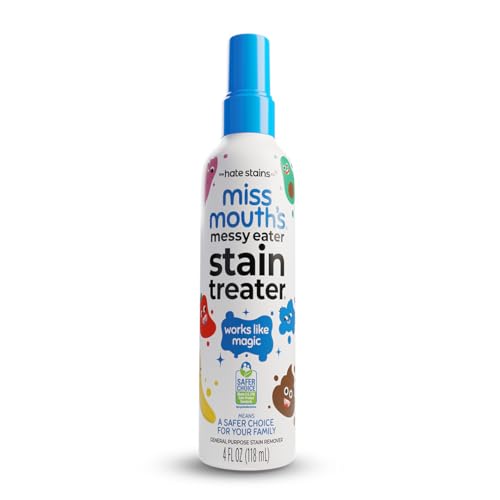
- fabric stain remover spray for nylon backpacks
- nylon backpack fabric cleaner spray
- microfiber cleaning cloth for nylon backpacks
- gentle detergent for nylon fabric backpacks


Before You Start
Before cleaning, empty the bag completely and shake out all contents. Close all zippers to protect them and prevent snagging. Test any cleaner on a small, inconspicuous area first to ensure colorfastness. Plan for at least 1–2 hours of quiet drying time after washing. Do not machine-wash most nylon backpacks unless the manufacturer explicitly permits it. Excessive agitation can damage seams and padding. If the bag is water-resistant, avoid soaking the fabric layer for too long to preserve coatings.
Step-By-Step: How To Clean A Nylon Backpack
- Remove removable accessories and shake out dirt from all pockets and seams.
- Use the nylon backpack cleaning brush to gently lift embedded dirt from the exterior surface, paying attention to corners and straps.
- Spray a light coat of nylon backpack fabric cleaner spray on stained areas, then allow it to sit for 1–2 minutes.
- Blot stains with a microfiber cleaning cloth, working from the outside of the stain toward the center to prevent spreading.
- Fill a basin with lukewarm water and add a small amount of gentle detergent for nylon fabric backpacks. Avoid hot water, which can set stains or damage coatings.
- Submerge or sponge-clean the exterior and interior gently, focusing on heavily soiled zones. Use a soft brush on stubborn spots without scrubbing aggressively.
- Rinse thoroughly with clean, lukewarm water to remove all soap residues. Wipe down the interior with a damp microfiber cloth to remove odors and residue.
- Support the bag over a rack and allow to air dry completely away from direct sunlight or heat sources to prevent fabric fading or warping.
- Reassemble pockets and check zipper tracks; lightly lubricate if needed with a fabric-safe zipper conditioner after fully dry.
- Inspect for any remaining stains; repeat the stain-removal steps if necessary, using the fabric stain remover spray for nylon backpacks as a targeted remedy.
- Store in a dry, ventilated area to prevent mildew and odor buildup between uses.
- For persistent odors, sprinkle a small amount of baking soda inside after drying and leave overnight, then vacuum or shake out before use.
Troubleshooting
| Symptom | Likely Cause | Fix | Prevention |
|---|---|---|---|
| Persistent stain after cleaning | Set-in stain or coating damage | Reapply fabric stain remover spray and re-clean; consider professional cleaning if unresolved | Address stains promptly; pre-treat known stains |
| Fading color in sun-exposed areas | Excessive sun exposure | Move drying area to shade; avoid prolonged sunlight | Air dry away from direct sun |
| Unpleasant odor after washing | Residual moisture or trapped odor | Air dry thoroughly; use a light odor absorber in a dry area | Fully dry before storage |
| Stiff fabric after wash | Soap residues or over-washing | Rinse again and wipe with microfiber cloth | Use minimal detergent and thorough rinsing |
| Zippers sticking | Soap buildup or debris | Clean zipper tracks with a damp cloth; lubricate with a fabric-safe zipper conditioner | Keep zippers clean during cleaning |
Common Mistakes
- Using bleach or harsh detergents on nylon fabrics, which can weaken fibers and cause discoloration.
- Soaking the entire backpack for long periods, which can damage seams and coatings.
- Cleaning with hot water or high heat during drying, which can warp or shrink fabrics.
- Neglecting to test cleaners on a small area first, risking color transfer or fabric damage.
- Over-wetting zippers or foam padding, which can lead to moisture retention and odor.
Tips For Best Results
- Use a dedicated nylon backpack fabric cleaner spray for spot treatment to target tough stains without saturating the whole bag.
- Keep a microfiber cleaning cloth on hand for quick touch-ups after daily use or rain exposure.
- Brush and wipe frequently to prevent buildup of dirt and oils, especially on straps and seams.
- Store in a ventilated area; avoid plastic bags that trap moisture and encourage mildew growth.
- For leather or faux-leather accents, wipe with a gentle, pH-balanced cleaner to avoid cracking.
Call A Professional
Consider professional cleaning if the backpack has:
- Extensive mold, mildew, or strong odors that do not dissipate with routine cleaning
- Delicate trims or coatings that require specialized care
- Persistent stubborn stains after multiple cleaning attempts
Seek professional services if you notice color bleeding, water resistance coatings peeling, or structural damage such as torn seams.
FAQ
Can I machine-wash a nylon backpack?
Only if the manufacturer explicitly permits it. Most nylon backpacks are best cleaned by hand to protect coatings and padding.
What is the safest detergent for nylon fabric backpacks?
A gentle detergent formulated for nylon fabrics is recommended; avoid strong, bleach-based, or highly perfumed detergents.
How do I remove odors from a nylon backpack?
Air dry thoroughly after cleaning, and consider a light odor absorber or baking soda inside the bag overnight.
Are stain removers safe on nylon backpack fabrics?
Yes, fabric stain remover sprays designed for nylon backpacks are typically safe when used as directed on small areas first.
How long should I air-dry a cleaned backpack?
Allow 4–6 hours in a well-ventilated area, longer in humid environments, until completely dry.
What if the zippers stick after cleaning?
Wipe zipper tracks with a damp cloth and apply a fabric-safe zipper lubricant if needed.
Buying Guide
When choosing a nylon backpack cleaner approach and accessories, consider key buying factors to fit daily needs, durability, and maintenance preferences.
- Size and capacity: Choose products sized for compact use or larger outdoor bags, depending on the backpack class you own.
- Noise level and ease of use: Some spray bottles and brushes are quieter and simpler to handle in shared spaces like classrooms or offices.
- Energy efficiency of cleaning supplies isn’t usually a concern for simple sprays and brushes, but choose concentrated formulas to reduce waste.
- Controls and spray mechanisms: Opt for spray bottles with fine mist spray for even coverage and less over-wetting.
- Placement and storage: Keep cleaners in a dry cabinet near laundry and cleaning supplies; store microfiber cloths and brushes together for convenience.
Additionally, consider compatibility with coatings and trims on your nylon bag. For users with multiple backpacks, select a core set of tools that covers spot-cleaning, fabric cleaning, and odor control to maintain a broad range of nylon fabrics successfully.