Milkshakes can leave sticky, sugary residues that attract more dirt if not treated promptly. This guide walks American readers through a practical, step-by-step approach to remove milkshake from carpet fibers without damaging the material. By following the methods and using the right tools, you can restore your carpet’s appearance and freshness.
Quick Answer
Act quickly to blot up liquids, then treat the stain with a mild detergent solution and water. For stubborn spots, use a carpet stain remover brush kit or a carpet cleaning machine with a stain extractor wand. Finish with a thorough rinse and blot-dry until the carpet surface is dry to the touch.
What You’ll Need
- Carpet stain remover brush kit
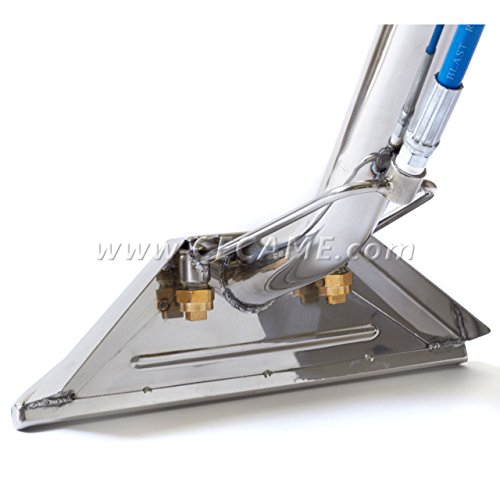
- Carpet cleaning machine with stain extractor wand
- Steam cleaner for carpets with upholstery tool
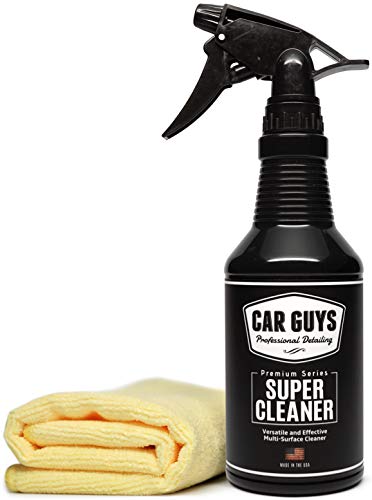
- Microfiber carpet stain removal cloth kit
- Spot cleaning spray bottle and brush for carpet

Before You Start
Before attempting stain removal, test any cleaning solution on a hidden area of the carpet to ensure colorfastness. Blot spills from the outside in to prevent spreading. Work from the edge toward the center to avoid ring-shaped stains. Allow the carpet to dry completely before walking on it. Do not scrub aggressively, as this can fray fibers and push stain deeper. Typical cleaning with these steps takes 15–45 minutes, plus drying time depending on room airflow.
Step-By-Step: How To Clean Milkshake From Carpet
- Blot up excess liquid using a clean microfiber cloth or paper towels. Press firmly but gently to avoid pushing the milkshake deeper into the fibers.
- Prepare a mild cleaning solution by mixing a few drops of mild dish soap with warm water. Avoid hot water, which can set some stains.
- Apply the solution to the stained area using a clean sponge or cloth. Work from the outer edge toward the center to prevent spreading.
- Gently blot and lift the stain, repeating with fresh cloths as needed. Do not rub; rubbing can damage carpet fibers.
- Rinse the area with clean, cool water to remove soap residue. Blot again to absorb moisture.
- Use a carpet stain remover brush kit or a microfiber cloth to treat any remaining residue. Follow the product instructions for dwell time and agitation.
- Extract moisture with a carpet cleaning machine with stain extractor wand or steam cleaner for carpets with upholstery tool. Vacuum the area afterward to remove loosened material.
- Check for color transfer once the area is dry. If a halo remains, repeat the cleaning and rinsing steps or apply a spot cleaning solution designed for pet or food stains.
- Dry thoroughly by opening windows, using a fan, or increasing room airflow. Do not replace furniture until the carpet is completely dry to prevent new stains.
- Final inspection ensure the spot is gone and the carpet texture is uniform. If the stain persists, consider a deeper clean with a steam cleaner for carpets with upholstery tool.
Troubleshooting
| Symptom | Likely Cause | Fix | Prevention |
|---|---|---|---|
| Stain reappears after drying | Soap residue or incomplete extraction | Re-wash with minimal soap, rinse thoroughly, and extract again | Rinse until no suds remain |
| White halo around stain | Mineral residues from water or detergent | Rinse with distilled water and blot dry | Use clean water; avoid hard water residues |
| Fibers feel stiff or crunchy | Excess cleaning product dries on fibers | Blot with clean water and extract more moisture | Use the minimal effective amount of cleaner |
| Stain persists on dark carpet | Colorfastness issue or deep-set dye | Use a stain-specific product or professional cleaning | Test products on inconspicuous area first |
Common Mistakes
- Blotting aggressively with scrub brushes that damage fibers
- Using hot water which can set dairy-based stains
- Skipping a proper rinse, leaving soap behind
- Waiting too long to treat the stain, allowing it to set
Tips For Best Results
- Address spills immediately to minimize staining and drying time.
- Use cold or cool water rather than hot water during rinsing.
- Keep a dedicated spot-cleaning kit handy for quick response.
- When using a steam cleaner or extractor wand, follow manufacturer instructions for upholstery tools to avoid over-wetting.
- Rotate cleaning with microfiber cloths to maximize absorption and minimize fiber damage.
Call A Professional
Seek professional help if the stain covers a large area, the carpet is delicate, or color fading occurs. Contact a pro if odor persists after cleaning, if the stain returns after drying, or if the carpet is a high-traffic area with ongoing spill risks.
FAQ
Is it safe to use baking soda on a milkshake stain?
Baking soda can help absorb moisture and odors but is best used after initial extraction and rinsing. Avoid scrubbing with baking soda on delicate fibers.
Can I use bleach on any carpet to remove milkshake stains?
Avoid chlorine bleach on most carpets, especially synthetic fibers. Use color-safe or enzyme-based cleaners as directed by the product label.
How long should I wait before walking on the treated area?
Wait until the carpet is dry to the touch. Drying times vary with room temperature and airflow but can take several hours.
Will a carpet cleaning machine remove all traces of milkshake?
Most machines remove the majority of the stain, but residual color or odor may persist if the spill has set. Additional spot treatments can help.
Should I call a professional for a small stain?
For small, fresh stains, DIY methods are usually sufficient. If the stain reappears or fibers show damage, a professional service may be warranted.
What type of cleaning solution is best for dairy-based stains?
Use mild detergents or enzyme-based carpet cleaners designed for food stains. Always test a small area first.
Can I remove the smell completely with home remedies?
Yes, thorough rinsing, drying, and, if needed, odor-neutralizing products can reduce lingering smells.
Buying Guide
When choosing products to handle milkshake stains, consider several factors to ensure effective cleaning and carpet safety. Think about size and coverage, noise level, energy efficiency, controls, and placement in your home.
Size and coverage matter for larger areas: a compact extractor wand may be enough for small spills, while a full carpet cleaning machine provides broader cleaning power. Noise level affects how comfortable you are running equipment in living spaces and late at night. Look for models with adjustable spray and suction settings to tailor the treatment to your carpet type. Energy efficiency helps reduce operating costs during larger cleaning sessions.
Controls should be intuitive and built for safe operation around family members and pets. Placement considerations include easy access to outlets, drying time, and the potential need to move furniture. When comparing tools, weigh the benefits of a dedicated carpet stain remover brush kit against a combined cleaning machine with stain extractor capabilities. A microfiber cloth kit complements any cleaning routine by providing gentle, effective blotting and absorption. For targeted spot work, a spot cleaning spray bottle and brush can be a quick, low-profile option. By evaluating these factors, homeowners can select a setup that blends convenience, effectiveness, and carpet safety for future spills.