Vinegar is a versatile cleaner for many metal surfaces when used correctly. This guide explains safe methods, best practices, and product suggestions to help American homeowners restore shine without damaging finishes.
Quick Answer
Mix equal parts white vinegar and water for most metals, then apply with a soft cloth or sponge. For stubborn tarnish, use a gentler abrasive option and test first on an inconspicuous area. Rinse thoroughly and dry to prevent water spots.
What You’ll Need
- Stainless steel scrub brush set
- Microfiber polishing cloth for metal polishing
- 0000 grade steel wool pad metal cleaning
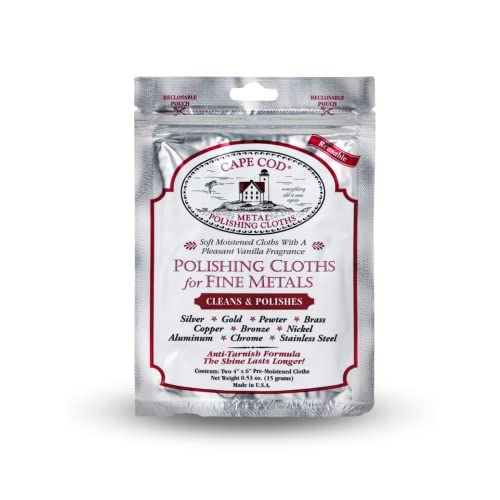
- Brass copper metal polishing cloth
- Tarnish removal kit for brass copper stainless steel


Before You Start
Before cleaning, identify the metal type and finish. Vinegar is acidic and can dull or etch certain surfaces if used improperly. Wear gloves to protect skin, work in a ventilated area, and test on a small hidden spot first. For electronics or decorative finishes, avoid soaking the item and use a damp cloth instead. Time investment varies from a few minutes to an hour depending on tarnish level.
Critical cautions: do not use abrasive pads on delicate finishes unless you’ve tested compatibility; never mix vinegar with bleach; avoid prolonged soaking on plated or painted surfaces.
Step-By-Step: How To Clean Metal With Vinegar
- Prepare a cleaning solution by mixing equal parts white vinegar and water in a bowl or spray bottle.
- Wipe the metal surface with a damp microfiber cloth to remove loose dirt and dust.
- Dip a 0000 grade steel wool pad metal cleaning or a soft cloth into the vinegar solution for light tarnish on sturdy metals like steel or brass.
- Gently rub small circular motions, focusing on tarnished areas. Do not apply excessive pressure to avoid scratching.
- Rinse with clean water or wipe with a fresh damp cloth to remove vinegar residue.
- Dry immediately with a clean microfiber polishing cloth for a streak-free finish.
- For brass or copper, follow with a brass copper metal polishing cloth to restore luster after vinegar cleaning.
- If tarnish persists, apply a tarnish removal kit for brass copper stainless steel according to package directions, then buff dry.
- Repeat steps as needed, testing after each pass to protect the surface.
- Apply a light protective wax or polish if the item will be exposed to moisture or fingerprints.
- Store cleaning tools clean and dry to prevent future corrosion.
Troubleshooting
| Symptom | Likely Cause | Fix | Prevention |
|---|---|---|---|
| Dull or scratched finish after cleaning | Overly aggressive scrubbing or wrong pad | Switch to softer cloth and milder vinegar solution | Test in hidden area; use gentle pressure |
| Rubbing marks around edges | Abrasive residue or moisture trapping | Wipe with clean water and dry promptly | Dry surfaces immediately after cleaning |
| Discoloration on plated finishes | Vinegar reaching exposed metal beneath plating | Limit vinegar exposure; consider professional refinishing | Use milder cleaners on plated items |
| Persistent tarnish on brass/copper | Heavily oxidized surface | Apply tarnish removal kit per instructions; buff | Regular cleaning to prevent heavy buildup |
Common Mistakes
- Using vinegar on delicate or lacquered finishes without a test spot
- Rubbing too hard with steel wool on soft metals
- Leaving vinegar residue, which can cause spotting
- Over-soaking items that are sensitive to moisture
Tips For Best Results
- Always start with the gentlest method and increase aggressiveness only if needed
- Use microfiber polishing cloth for metal polishing for most surfaces to avoid scratches
- For stubborn tarnish, work in small sections and keep the surface damp but not soaked
- Follow vinegar cleaning with a quick dry and optional protective wax
- Store cleaning tools dry to prevent rust on metal brushes and pads
Call A Professional
Seek professional help if the metal item is antique, vintage, or has a valuable patina. Stop cleaning if you notice flaking, deep pitting, or corrosion through the finish. For large or furniture-grade pieces, a specialist finishing service may be more cost-effective and preserve value.
FAQ
Is vinegar safe for all metals?
Vinegar works well on many metals but can harm plated, painted, or antique finishes. Always test first and use gentler methods for sensitive surfaces.
Can I use vinegar on stainless steel appliances?
Yes, a diluted vinegar solution can remove fingerprints and mineral spots on stainless steel when followed by thorough rinsing and drying.
What about cleaning brass with vinegar?
Vinegar helps remove tarnish on brass, but finishing with a brass/copper polishing cloth improves luster and protects the surface.
How often should I clean metal with vinegar?
For routine maintenance, clean every few weeks or as tarnish appears, avoiding excessive frequency on delicate items.
Can vinegar damage anodized aluminum?
Yes, acidic cleaners can damage anodized finishes; avoid vinegar on anodized or coated aluminum.
Should I rinse after vinegar cleaning?
Yes, rinse thoroughly with clean water to remove acidity, then dry completely to prevent water spots.
Buying Guide
When choosing tools and cleaners for cleaning metal with vinegar, consider size, metal type, and finish. A well-rounded setup includes a stainless steel scrub brush set, microfiber cloths for polishing, a soft 0000 grade steel wool pad, and a tarnish removal kit for brass and copper. For best results, match tools to the surface and follow safe testing practices. Think about maintenance frequency and storage conditions to keep metal surfaces looking bright and protected. Would you prefer a compact kit for everyday items or a more comprehensive set for brass, copper, and stainless steel care?