Reglazed tubs restore a smooth, glossy surface, but cleaning them requires the right approach to preserve the finish. This guide covers practical steps, safe cleaners, and tools designed for reglazed tub surfaces. Readers will find a concise, room-by-room method to keep the shine without scratches or dullness.
Quick Answer
Use a non-abrasive cleaner and a soft brush or microfiber pad to lift soap scum without scratching. Rinse thoroughly after each pass and dry with a microfiber mitt to prevent water spots. For tough stains, apply a melamine sponge lightly, or a tub cleaner spray formulated for reglazed surfaces, then rinse and dry.
What You’ll Need
- Non-scratch microfiber tub cleaning pad 4×6 inches
- Soft-bristle tub cleaning brush 9 inch for reglazed surfaces
- Melamine sponge tub cleaner for reglazed bathtub surfaces
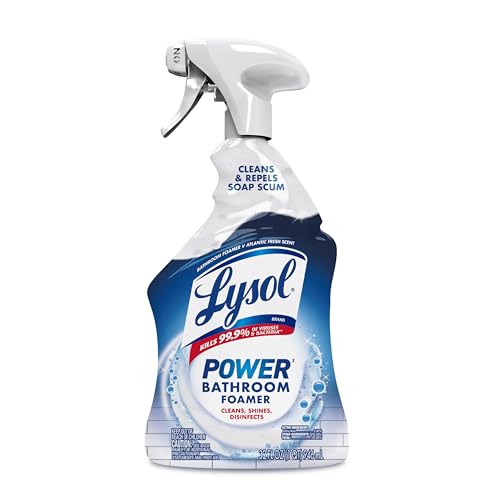
- Tub and tile cleaner spray 24 oz for reglazed bathtubs
- Slotted microfiber bathtub cleaning mitt for porcelain acrylic reglazed surfaces


Before You Start
Prepare the area by removing items from the tub and protecting surrounding surfaces if needed. Ventilate the bathroom to minimize fumes from cleaners. Time yourself: a typical reglazed tub cleaning session takes 15–30 minutes for regular maintenance and up to 60 minutes for deeper stain removal. Never use harsh abrasive powders or scouring pads on reglazed surfaces, as they can dull the finish or leave scratches. If you notice signs of wear or flaking glaze, proceed with extra caution and consider professional refinishing.
Step-By-Step: How To Clean A Reglazed Bathtub
- Rinse the tub with warm water to loosen soap scum and hair before applying cleaners.
- Apply a small amount of tub and tile cleaner spray to a damp non-scratch microfiber pad or soft-bristle brush.
- Gently scrub along the tub walls and floor using circular motions, focusing on stained areas but avoiding aggressive scrubbing that could wear the glaze.
- For stubborn stains, use a melamine sponge tub cleaner with light pressure in a test area first; wipe away residue with a damp cloth.
- Rinse thoroughly with warm water after each cleaning pass to avoid residue buildup that can dull the glaze.
- Dry the surface with a slotted microfiber bathtub cleaning mitt or a dry microfiber pad to prevent water spots and mineral deposits.
- Inspect for remaining grime; repeat the cleaning steps as needed on localized spots.
- After cleaning, run a final rinse and wipe to ensure a uniform glossy finish appears across all surfaces.
- Store tools clean and dry to prevent mold or mildew growth between uses.
- Perform regular touch-ups weekly to maintain the reglazed surface and extend the life of the finish.
- For any recurring stubborn marks, consider spot-treatment with a dedicated reglazed-surface cleaner, staying mindful of manufacturer recommendations.
- End with a light, even rinse and dry to complete the process with a pristine shine.
Troubleshooting
| Symptom | Likely Cause | Fix | Prevention |
|---|---|---|---|
| Dull or streaky finish | Residue left from cleaners | Rinse thoroughly, dry with microfiber | Use minimal cleaner and rinse in sections |
| Scratches or dull spots | Abrasive pads or cleaners used | Switch to non-scratch pads and avoid harsh powders | Choose soft brushes specifically for reglazed surfaces |
| Stains that won’t lift | Set-in mineral deposits | Apply tub cleaner spray and let sit briefly, then scrub gently | Wipe up moisture after each use to prevent buildup |
| Soap scum returns quickly | Hard water residue | Regularly wipe with a microfiber mitt after showers | Install a water-softening system if feasible |
Common Mistakes
- Using abrasive cleaners or steel wool on reglazed surfaces
- Letting residue sit; long contact times without rinsing
- Ignoring ventilation, causing chemical odors to linger
- Over-wetting the area, which can spread cleaner into crevices
- Skipping a final rinse and dry for a polished look
Tips For Best Results
- Match the cleaner to the glaze type and follow label directions for best results.
- Use a dedicated tub brush or brush with soft bristles to avoid micro-scratches.
- Rinse thoroughly after each cleaning step to remove any cleaner residue.
- Dry surfaces after cleaning to prevent water spots and mineral buildup.
- Regular maintenance, rather than deep cleaning only, maintains a smoother surface longer.
Call A Professional
Consider professional refinishing if the reglazed finish shows extensive crazing, peeling, or multiple deep scratches that normal cleaning cannot resolve. Seek a pro when staining persists despite proper cleaning, or if you notice a significant change in surface integrity, which may indicate glaze wear or damage.
FAQ
Is it safe to use melamine sponges on reglazed tubs?
Used gently, they can help lift stains, but avoid excessive pressure to prevent micro-scratches.
Can I use bleach on a reglazed bathtub?
Bleach is best avoided on enamel or reglazed finishes as it can degrade the glaze over time.
How often should I deep clean a reglazed tub?
Deep clean every 1–2 weeks, with quick wipe-downs after each use to maintain the shine.
What should I do about hard water stains?
Use a mild cleaner designed for reglazed surfaces and rinse well; consider a water-softening approach for ongoing issues.
Are there safer alternatives to melamine for scratches?
Yes, try a non-abrasive pad or sponge and a reglazed-surface appropriate cleaner first.
What if the glaze is peeling?
Peeling glaze requires professional assessment; do not attempt DIY fixes that could worsen the defect.
Will frequent cleaning shorten the life of the glaze?
Gentle, proper cleaning that avoids harsh abrasives protects the glaze and extends its life.
Buying Guide
When choosing products for reglazed tubs, consider size, surface compatibility, and ease of use. A recommended setup includes a non-scratch microfiber pad, a soft-bristle brush, a melamine sponge for stubborn spots, and a spray tub cleaner designed for reglazed finishes. Look for products labeled safe for acrylic, porcelain, and reglazed surfaces to avoid damage. Consider the tub’s usage pattern—high-traffic baths may benefit from more frequent wipe-downs and a more durable cleaning kit. For households with hard water, include a rinse aid or protective spray to minimize mineral buildup.