Metal light fixtures add style and brightness to living spaces, but keeping them clean can be tricky. This guide provides practical, step-by-step methods for household maintenance, including brass and chrome finishes. The approach emphasizes safe handling, appropriate cleaning tools, and simple maintenance routines that work for most metal fixtures found in American homes.
Quick Answer
For everyday cleaning, dust with an electrostatic duster, wipe with a microfiber cloth, and buff with a polishing kit for best shine. For stubborn grime, use warm water with a mild dish soap and a soft nylon brush, then dry thoroughly to prevent water spots.
What You’ll Need
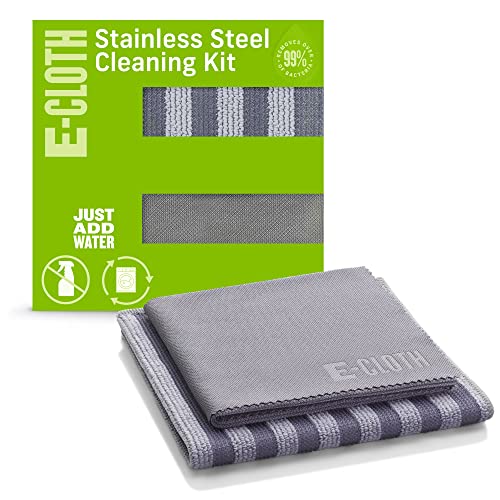
- Microfiber cloth for cleaning metal light fixtures
- Soft nylon bristle brush for brass chrome light fixtures
- Polishing kit for metal light fixtures brass chrome
- Electrostatic duster for ceiling light fixtures
- Extension cleaning pole for high ceiling light fixtures


Before You Start
Before cleaning, turn off power at the switch and, if possible, at the breaker. Allow fixtures to cool completely and remove any bulbs to prevent damage. Protect surrounding surfaces with a drop cloth or old towels to catch drips. Wear gloves to avoid fingerprint oils on polished surfaces. For high ceilings, ensure a stable ladder or stool and use an extension cleaning pole to reach fixtures safely. Process time varies by fixture size but plan for 20–40 minutes for a typical chandelier or ceiling light.
Critical cautions include never using abrasive cleaners on chrome or brass finishes, avoiding wetting electrical connectors, and never cleaning while the fixture is live.
Step-By-Step: How To Clean Metal Light Fixtures
- Power down and cool: Switch off the circuit at the breaker and remove bulbs to inspect the fixture safely.
- Dry dust the surface: Use an electrostatic duster to remove loose dust from all metal surfaces and decorative elements.
- Wipe with microfiber: Lightly dampen a microfiber cloth with water or a mild cleaner, then wipe in gentle downward strokes to avoid pushing dust into crevices.
- Address brass and chrome finishes: For brass or chrome parts, switch to a soft nylon bristle brush for stubborn grime in etched areas, then rinse with a clean, damp cloth.
- Spot-clean stubborn areas: Apply a small amount of mild soap solution to a cloth and work on rings, filigree, or lattice patterns. Avoid soaking the metal and dry promptly.
- Rinse and dry: Wipe away soap residues with a clean, damp cloth, then dry thoroughly with a soft dry cloth to prevent water spots and tarnish.
- Polish surfaces: If using a polishing kit for brass chrome, follow the product directions to restore shine and minimize fingerprints.
- Reassemble and test: Replace bulbs, restore power, and briefly test to ensure the fixture works properly and stays clean.
- Routine maintenance: Establish a quarterly cleaning schedule to keep fixtures looking new and to reduce build-up over time.
- High-ceiling care: For ceiling fixtures, use an extension cleaning pole to maintain reach without climbing. Work from the top down to avoid recontaminating cleaned sections.
- Storage and safety: When not in use, store cleaning tools in a dry area to prevent corrosion or mold growth on cloths and brushes.
Troubleshooting
| Symptom | Likely Cause | Fix | Prevention |
|---|---|---|---|
| Dull or blotchy finish after cleaning | Residual cleaner or water spots | Buff with a clean microfiber cloth and dry thoroughly | Use minimal moisture; wipe in a consistent direction |
| Scratches on metal surfaces | Abrasive cleaners or harsh brushes | Switch to non-abrasive cloths and soft brushes; avoid scouring pads | Test cleaners on a hidden area first |
| Persistent tarnish on brass | Oxidation buildup | Apply a brass-safe polish per the kit instructions and buff | Clean regularly to prevent heavy tarnish |
| Bulbs flicker after cleaning | Loose bulb connection or moisture | Re-seat bulbs, check wiring, ensure dry fixtures | Dry hands and fixtures before reassembly |
Common Mistakes
- Using household bleach or ammonia on metal finishes, which can dull or corrode surfaces.
- Over-wetting fixtures, especially electrical components, increasing the risk of damage.
- Neglecting to dry metal surfaces completely after cleaning, leading to water spots or tarnish.
- Using hard brushes on delicate lattice or etched surfaces, causing scratches.
Tips For Best Results
- Dust fixtures regularly with an electrostatic duster to minimize buildup and reduce the need for deep cleaning.
- Choose a microfiber cloth for its ability to trap dust and its gentle interaction with metal finishes.
- When polishing, follow product directions closely and use circular motions only as recommended by the kit.
- Work from the top of the fixture downward to avoid recontamination of cleaned areas.
- If reach is difficult, use an extension cleaning pole rather than leaning or climbing to protect balance and surfaces.
Call A Professional
Contact a pro if any of the following apply: extensive tarnishing beyond surface level, damaged or corroded metal, exposed wiring or electrical components, or fixtures that require disassembly beyond standard cleaning. If a fixture shows signs of overheating, buzzing, or unusual smells when powered, shut off power and seek electrical inspection promptly.
FAQ
Can I use vinegar to clean metal light fixtures?
Vinegar is not recommended for all finishes; it can be too acidic for certain brass or chrome coatings. Use a mild soap solution and test on a hidden area first.
How often should metal light fixtures be cleaned?
Most fixtures benefit from a light cleaning every 1–3 months, with a deeper polish every 6–12 months depending on exposure to dust and humidity.
What is the best way to clean chandeliers?
Remove crystals if possible, dust with an electrostatic duster, and clean metal frames with a soft cloth and mild solution. Dry thoroughly before reassembling.
Are microfiber cloths safe for polished metal?
Yes, microfiber is generally safe and effective for most polished metals when used dry or slightly damp with a mild cleaner.
Do I need to hold the fixture while cleaning?
No, if stable support is available. Use a ladder or extension pole and avoid applying pressure to delicate joints or glass components.
Can I clean metal fixtures while they are worn or damaged?
Cleaning worn or damaged fixtures can worsen issues. Seek professional restoration or replacement before attempting further cleaning.
Is it safe to use a polishing kit on chrome?
Yes, when the kit is designed for chrome and applied as directed. Always test on a non-visible area first.
Buying Guide
Choosing cleaning tools and maintenance routines depends on fixture material, finish, and height. Consider factors like the size of fixtures and ceiling reach, noise tolerance of equipment, energy efficiency of extension poles, and compatibility of cleaning products with brass or chrome finishes. A well-rounded kit typically includes a microfiber cloth, a soft nylon brush for tougher grime, an electrostatic duster, a polishing compound suitable for the metal type, and an extension pole for high installations. When evaluating products, prioritize non-abrasive options and products that are specifically labeled for metal finishes to protect shine and longevity.
Size and placement influence how often cleaning is needed. Larger chandeliers may accumulate more dust and require periodic disassembly for thorough cleaning, whereas compact ceiling fixtures are easier to wipe down from a standing position. Noise levels matter for powered tools, particularly in bedrooms or study areas. Energy-efficient cleaning tools, like rechargeable dusters, can be quieter and more convenient for periodic use. Finally, assess compatibility with the fixture’s fit and finish to avoid damage during maintenance.