MDF cabinets are a popular choice for kitchens and bathrooms due to their smooth surfaces and consistent appearance. Proper cleaning helps preserve their finish and extend longevity. This guide provides practical, US-market guidance with safe products and clear steps to avoid damage.
Readers will find a concise action plan, a complete list of tools, and step‑by‑step instructions suitable for most home environments. The goal is to remove grime and fingerprints without harming the MDF veneer or finish.
Quick Answer
Use a soft, microfiber cloth with a gentle, non‑abrasive cleaner. Wipe in the direction of the grain, avoid soaking the surface, and dry promptly. For stubborn marks, a light scrub with a sponge scrubber set or a dedicated cabinet cleaning brush can help, followed by a wipe with a clean cloth. Regular routine cleaning prevents buildup and preserves the cabinet appearance.
What You’ll Need
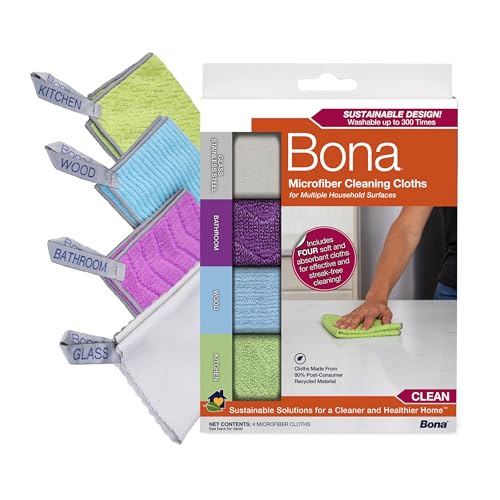
- Microfiber cleaning cloths for cabinets
- Non abrasive wood cleaner spray for MDF cabinets
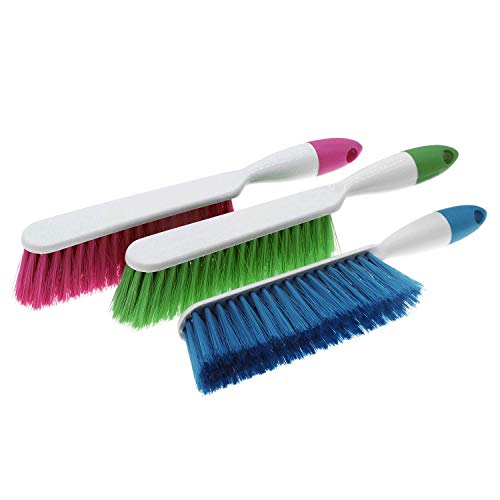
- Cabinet cleaning brush with soft bristles
- Sponge scrubber set for cabinet cleaning
- Cabinet refinishing sanding sponge for MDF veneer

Before You Start
Inspect the cabinet surfaces for peeling veneer, warping, or water damage. Avoid harsh solvents, ammonia-based cleaners, and excessive moisture, which can swell MDF and peel the veneer. Work in a well-ventilated area and test cleaners on a small inconspicuous spot first. Plan a cleaning session that fits your kitchen routine, often 15–30 minutes per area.
Cautions: Do not saturate the surface; damp cloths are safer than soaking. If you notice any bubbling or finish lifting, pause and consult a professional. Keep cleaning products away from food prep zones during use.
Step-By-Step: How To Clean MDF Cabinets
- Remove items and wipe down the cabinet faces with a dry microfiber cloth to remove loose dust.
- Lightly spray a non abrasive wood cleaner spray for MDF cabinets onto a microfiber cloth, not directly onto the surface, to prevent excess moisture.
- Wipe in a consistent direction, following the grain whenever visible, to lift fingerprints and smudges without scratching.
- For tight corners and crevices, use a cabinet cleaning brush with soft bristles to dislodge dirt, then wipe with a cloth.
- If greasy spots remain, switch to a sponge scrubber set for cabinet cleaning with gentle, circular motions, avoiding harsh scrubbing.
- Rinse with a clean, lightly damp cloth and wipe again to remove any cleaner residue.
- Dry surfaces immediately with a dry microfiber cloth to prevent moisture from seeping into seams.
- For veneer edges or light discoloration, a quick touch with a cabinet refinishing sanding sponge for MDF veneer on a dull, non-damaging area (very light pressure) can help remove stains before re-cleaning.
- Return items to their places and re‑polish with a final dry wipe to restore shine.
- Perform routine maintenance every 1–2 weeks in high-traffic areas or after spills to maintain a consistent appearance.
- Store cleaners away from direct heat sources and out of reach of children and pets when not in use.
Troubleshooting
| Symptom | Likely Cause | Fix | Prevention |
|---|---|---|---|
| Cloudy or hazy finish after cleaning | Excess cleaner residue | Wipe with a clean damp cloth and dry immediately | Use minimal cleaner and test first |
| Streaks after wiping | Moisture and residue combo | Dry with a fresh microfiber cloth | Avoid spraying directly onto surfaces |
| Peeling veneer at edges | Water damage or age | Limit moisture; consult a pro for veneer repair | Use damp cloths only and seal edges when possible |
| Scratches visible after cleaning | Hard brushing or abrasive products | Switch to soft bristles and mild cleaners | Regular light cleaning to prevent buildup |
Common Mistakes
- Over-wetting MDF cabinets or veneer seams
- Using abrasive cleaners, steel wool, or rough sponges
- Cleaning with direct sprays on surfaces
- Skipping a test patch on hidden areas
Being gentle with the surface and choosing appropriate tools makes a noticeable difference in the cabinet’s long-term appearance.
Tips For Best Results
- Establish a simple routine: dust weekly, wipe monthly, deep-clean quarterly.
- Keep a dedicated microfiber cloth for cabinets to avoid cross-contamination from other cleaners.
- Always dry after cleaning to prevent moisture intrusion and potential warping.
- Avoid harsh solvents; when in doubt, opt for a mild, wood-safe cleaner.
- Label shelf and drawer contents to reduce the need for frequent cleaning from clutter spills.
Call A Professional
Consider a professional if MDF veneer shows significant bubbling, peeling, or water damage that does not respond to gentle cleaning. Signs to seek help include persistent swelling, dark stains that won’t lift, or uneven finish after cleaning attempts. A pro can assess veneer repairs, re-sealing, or refinishing options to restore structural integrity and appearance.
FAQ
Can I use regular dish soap to clean MDF cabinets?
Yes, a small amount of mild dish soap in water is acceptable when diluted properly, but use sparingly and dry thoroughly afterward.
What should I avoid cleaning MDF cabinets with?
Avoid bleach, ammonia-based cleaners, abrasive pads, and solvent-heavy sprays that can damage the veneer.
How often should MDF cabinets be cleaned?
Light dusting weekly and a deeper clean every 2–4 weeks, depending on usage and splashes.
Is it safe to refinished MDF veneer myself?
Light refinishing with proper sanding sponges is possible for minor issues, but major veneer repair should be handled by a pro or furniture refinisher.
Can I use a steam cleaner on MDF cabinets?
Steam is not recommended as it can introduce excess moisture and damage the veneer.
Are there differences between MDF and plywood cabinet cleaning?
Methods are similar, but MDF is more susceptible to moisture damage, so less moisture and gentler cleaners are advised.
Buying Guide
When choosing cleaning tools and products for MDF cabinets, consider size, noise level, and ease of use. Options like microfiber cloths provide quick, residue-free cleaning, while soft-bristle brushes and sponge scrubbers offer targeted cleaning without scratching. Look for non-abrasive cleaners specifically formulated for MDF or veneer to protect the finish. If the kitchen layout has high cabinets or tight corners, select tools with ergonomic handles and adjustable heads. Energy efficiency is less of a concern here, but ease of use and storage efficiency matter. Consider a compact cleaning kit you can keep under the sink for regular maintenance and a separate, larger kit for occasional deep cleans. Placement matters too: keep cleaners away from heat sources and food areas for safety and convenience. For comparisons, assess each option by how well it pairs with the included tools and its compatibility with MDF veneer finishes. Does the kit balance performance with price? Are brushes soft enough for delicate surfaces? These factors influence long-term maintenance and cabinet longevity.