Accidentally marking leather upholstery, jackets, or bags with a felt-tip marker can be frustrating. This guide provides practical, step-by-step methods using common products to remove marker stains from leather without damaging the material. It covers different marker types and leather finishes, so readers can choose the safest approach for their item.
Quick Answer
For most marker stains on leather, start with a gentle cleaner and a microfiber cloth. If the stain persists, try isopropyl alcohol or a leather marker stain remover kit. Always test a small, inconspicuous area first and blot rather than scrub to protect the leather’s finish.
What You’ll Need
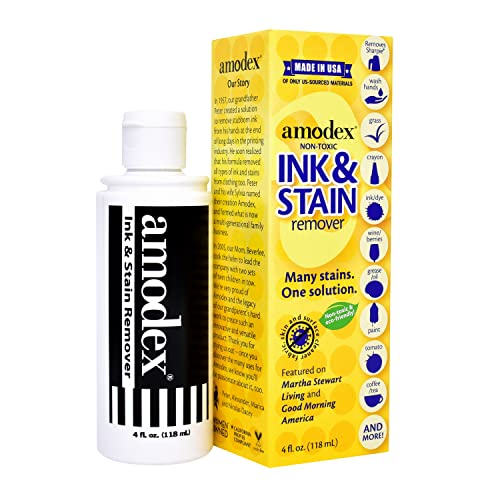
- Leather marker stain remover kit
- Leather cleaner with microfiber cloths
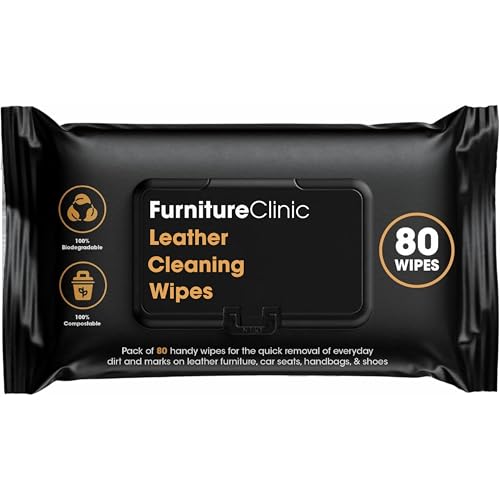
- Isopropyl alcohol leather marker removal wipes
- Leather stain remover pen marker
- Leather cleaning sponge for marker stains

Before You Start
Practical precautions help prevent further damage. Always test any cleaner on a hidden area first, especially on aniline or vintage leathers. Work in a well-ventilated area and avoid soaking the leather. For delicate finishes or dyed leathers, consult the care label or a pro. Expect this process to take 15–45 minutes depending on stain size. Do not rub aggressively, as rubbing can spread the stain or abrade the surface.
Step-By-Step: How To Clean Marker Off Leather
- Identify the leather type and finish to choose a compatible cleaner.
- Lay the item on a clean, flat surface and protect surrounding areas with a cloth.
- Test the cleaner on a hidden spot; wait 1–2 minutes to ensure no discoloration.
- Apply a small amount of leather cleaner to a microfiber cloth and gently blot the stained area.
- If the stain lifts, continue blotting until the marker fades. Avoid circular scrubbing.
- For stubborn marks, use a leather stain remover pen marker or isopropyl alcohol wipes on a cotton swab; blot rather than rub.
- Wipe away any residue with a clean, damp cloth; pat dry with a dry towel.
- Apply a leather conditioner to restore moisture and finish after the stain is removed.
- Let the leather air-dry completely before use. Avoid direct heat sources.
- If color transfer appears, repeat steps with a gentler approach or consider professional cleaning.
- For persistent stains, consult a professional leather repair service to avoid damage.
Troubleshooting
| Symptom | Likely Cause | Fix | Prevention |
|---|---|---|---|
| Stain reappears after drying | Residual marker components | Repeat cleaning with a milder method | Test cleaners first; work in small areas |
| Discoloration or fading | Overly strong solvent or dye bleed | Switch to gentler cleaner and blot, not rub | Use specialized leather products |
| Sticky residue | Excess cleaner left on surface | Wipe with a damp cloth to remove residue | Moderate application, wipe promptly |
| Cracking after cleaning | Drying leather too quickly or aggressive scrubbing | Condition and moisturize after treatment | Follow conditioning steps |
Common Mistakes
- Using harsh household solvents like nail polish remover on leather
- Scrubbing aggressively, which can scratch or lift the finish
- Not testing cleaners on a hidden area before full application
- Failing to condition leather after cleaning, leading to stiffness
Tips For Best Results
- Always blot, never rub, to minimize spread and damage
- Work from the outside of the stain inward to prevent widening
- Keep cleaners away from stitching and edges where dye can transfer
- Use microfiber cloths to lift moisture and avoid lint transfer
- Moderately dilute cleaners to reduce chemical exposure on leather
Call A Professional
Consider a professional if the marker stain is large, deeply set, or the leather is antique or highly valuable. Stop and seek expert assistance if you notice dye transfer, color loss, or cracking during any step. Fire up the search for a reputable leather restoration service in your area and ask about their dye-lease and finish protection policies.
FAQ
Can I use isopropyl alcohol on all leather types?
Isopropyl alcohol is effective on many finishes but may damage or discolor some dyes or finishes. Always test first and use the gentlest method that works.
Will marker stains return after cleaning?
Stains can reappear if the marker penetrates the leather’s pores or if residue remains. Proper blotting and conditioning reduce this risk.
Is it safe to use a marker stain remover pen on leather?
Yes, a leather stain remover pen can be convenient for targeted treatment, but follow the product instructions and test first.
Should I condition leather after removing marker?
Yes, conditioning helps restore moisture, prevent cracking, and maintain finish after cleaning.
What if the marker stain is on suede or nubuck?
Leather cleaning methods differ for suede or nubuck. Use specialized suede cleaners or seek professional cleaning to avoid staining or texture damage.
Buying Guide
Choosing the right products for removing marker from leather depends on the item’s finish, dye stability, and level of staining. Consider factors such as the stain’s size and age, the leather type, and the item’s usage. Here are key buying considerations:
- Size and scope: Smaller stains may respond well to marker-specific pens or wipes, while larger stains might require a full leather cleaner kit.
- Finish compatibility: Smooth, glossy leathers respond differently than matte or vintage finishes; select products labeled safe for your finish.
- Product types: Leather marker stain remover kit, leather cleaner with microfiber cloths, isopropyl alcohol wipes, marker removal pens, and leather cleaning sponges provide varied approaches. Having a combination can cover quick fixes and deeper treatment.
- Ease of use: Micofiber cloths and pen-style removers offer convenience for spot treatment, while kits provide more comprehensive cleaning.
- Safety and testing: Look for products with clear testing guidelines and low solvent strength to minimize risk to the leather.
- Maintenance pairing: After stain removal, include a conditioner to restore moisture and keep the leather supple.
- Brand reliability: Choose products from reputable brands with clear instructions and customer support.
By matching the right tool to the stain and leather type, users can effectively restore their leather items while preserving color and texture. If in doubt, start with gentle cleaners and escalate only as needed, always prioritizing the item’s finish and care guidelines.