Cleaning makeup brushes is essential for hygiene and makeup performance. Using dish soap is a simple, effective method that many beauty routines rely on. This guide explains a straightforward approach tailored for American users, with practical tips and safe techniques to keep brushes in top condition.
Quick Answer
Use warm water, a small amount of mild dish soap, and gentle circular motions to lather and rinse brush bristles. Avoid soaking the brush ferrules for long. Dry brushes with the bristles pointing downward to prevent water from seeping into the handle.
What You’ll Need
- Dish soap (mild, preferably fragrance-free)
- Small bowl or sink
- Warm water
- Clean towel or microfiber cloth
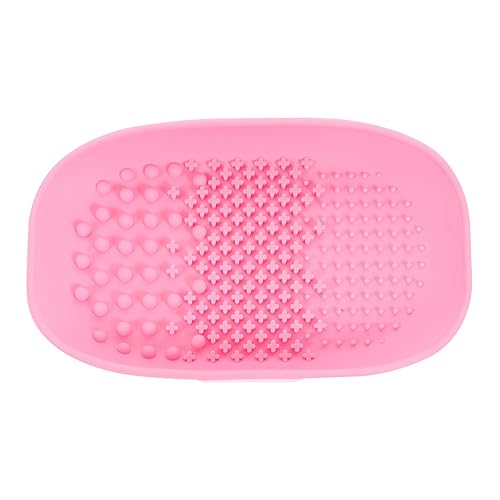
- Optional: silicone makeup brush cleaning mat
- Optional: makeup brush cleansing glove silicone
- Optional: silicone brush cleaning tray mat for makeup brushes
- Optional: ultrasonic makeup brush cleaner device
- Optional: makeup brush cleaning mat with handle


Before You Start
Test a small brush edge first if you have brushes with natural bristles or delicate finishes. Ensure the work area is clean, and place a towel under the brush to catch water. Time estimates: about 10–15 minutes for a standard cleaning, longer if you deep-clean multiple brushes. Important: avoid soaking the handle or ferrule for extended periods, as water can loosen glue and cause shedding.
Step-By-Step: How To Clean Makeup Brushes With Dish Soap
- Group brushes by type (foundation, powder, eye, lip) to streamline cleaning and drying times.
- Rinse brushes under lukewarm water, ensuring water runs from the bristles toward the tips, not into the ferrule.
- Place a drop of mild dish soap in a small dish or bowl.
- Gently swirl each brush in the soapy water using circular motions until makeup starts to lift.
- Rinse brushes under running water, again keeping water away from the ferrule and handle until the water runs clear.
- Gently squeeze out excess water with a clean towel, reshaping the brush heads as you go.
- Lay flat to dry on a clean surface, or use a brush stand. If possible, dry with the bristles pointing downward to prevent water from seeping into the handle.
Troubleshooting
| Symptom | Likely Cause | Fix | Prevention |
|---|---|---|---|
| Bristles remain stiff after washing | Soap residue or missed spots | Rewash with a mild amount of soap and rinse thoroughly | Rinse until water runs clear |
| Brush handles loosen over time | Water exposure to ferrule | Limit soaking; dry immediately; inspect ferrules | Keep handles dry during cleaning |
| Mold or sour smell | Inadequate drying or dirty water | Deep clean with soap, rinse well, and dry completely | Dry brushes fully after each use |
| Brush shedding | Overly aggressive scrubbing or damaged bristles | Use gentle strokes; replace damaged brushes | Store properly; avoid twisting bristles |
Common Mistakes To Avoid
- Soaking brushes in water for extended periods
- Using hot water that can damage bristles and glue
- Using harsh cleaners or alcohol on natural fibers
- Not rinsing until all soap is gone, leaving residue
Tips For Best Results
- Clean brushes regularly to prevent buildup that can affect makeup application.
- Alternative methods include silicone tools to agitate brushes and improve cleaning action.
- Periodic deep cleans with a gentle clarifying solution can help if brushes look dull.
- Let brushes air-dry completely before reuse to maintain shape and performance.
Call A Professional
If brushes have damaged bristles, loose ferrules, or persistent mold, stop using them and consult a beauty instrument professional or consider replacement. Seek guidance if you notice cracking on handles or a musty odor that persists after cleaning.
FAQ
Can I use dish soap on all types of makeup brushes?
Yes, mild dish soap works for most synthetic and natural brush bristles. For delicate natural bristles, opt for a gentle cleanser designed for brushes.
How often should I clean my makeup brushes?
Clean brushes used daily at least once a week; rinse and dry thoroughly after each use to remove residue and prevent bacteria buildup.
Is it okay to use a dishwasher or ultrasonic cleaner?
Ultrasonic devices can work for some brushes, but check manufacturer guidance. Do not use dish soap in high-heat devices that could damage bristles.
How should I dry brushes to maintain shape?
Lay flat or hang with bristles downward; avoid standing them upright on the bristles while wet to prevent water from seeping into the handle.
Buying Guide
When choosing tools to support dish soap cleaning, consider size, material, and ease of use. A silicone brush cleaning mat or glove can aid in thorough cleaning, especially for densely packed brushes or intricate bristles. If you clean many brushes weekly, a dedicated cleaning tray mat or an ultrasonic cleaner may speed up the process. Look for handles that keep your fingers away from water and a design that makes drying practical. Consider factors like durability, compatibility with your brush collection, and ease of storage. Do you prefer a compact mat or a larger tray for broader coverage? Your setup should align with how many brushes you own and how often you clean them.