Rain barrels are a convenient way to collect free, sustainable water for gardens and outdoor cleaning. Keeping the stored water clean helps protect plants, reduce algae growth, and minimize odor. This guide explains practical methods to maintain clean rain barrel water using common tools and simple routines.
Quick Answer
Start with a good filter and regularly test water for safety. Use a combination of a rain barrel inline filter sediment filter, a rain barrel water filter kit with hoses, algae prevention treatment, a water test kit for rain barrel and cistern, and optional UV purification to extend cleanliness and safety.
What You’ll Need
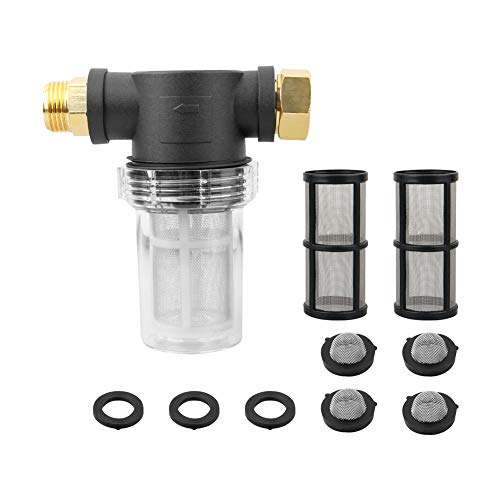
- Rain barrel inline filter sediment filter
- Rain barrel water filter kit with hoses
- Rain barrel algae prevention treatment
- Water test kit for rain barrel and cistern
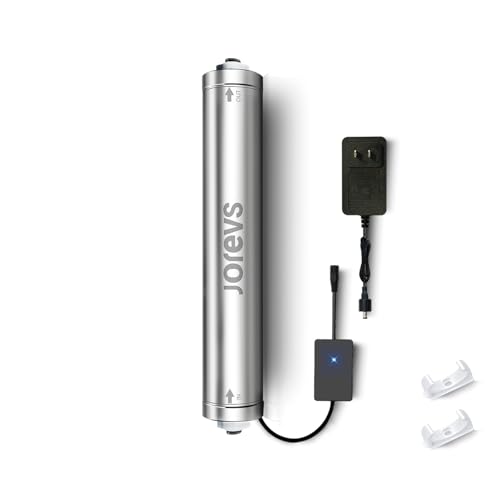
- UV water purifier for rain barrel

Before You Start
Before handling any rain barrel system, ensure the area around the barrel is clear and the lid is secure to prevent contamination. Label or seal hoses to avoid cross-connection with household supply. Plan for regular maintenance intervals: a quick weekly visual check and a more thorough monthly clean. Typical tasks include cleaning filters, testing water quality, and inspecting inlet screens for debris. The time you’ll invest varies with climate and usage, but most homeowners spend about 20–40 minutes per month on routine upkeep.
Step-By-Step: How To Keep Rain Barrel Water Clean
- Inspect the barrel’s inlet screen and first-flush devices to remove leaves and sediment before water enters the barrel.
- Install a rain barrel inline filter sediment filter at the inlet to catch sand, silt, and organic matter before it reaches the main tank.
- Attach a rain barrel water filter kit with hoses to maintain consistent filtration during use and ensure hoses are free of kinks that could reduce flow.
- Apply rainbarrel algae prevention treatment following product directions to minimize surface growth without harming beneficial organisms in your garden soil.
- Use a water test kit for rain barrel and cistern every 1–3 months or after heavy rainfall to monitor pH, chlorine/chloramine, and total alkalinity as applicable.
- If your water shows signs of microbial activity, consider a UV water purifier for rain barrel to disinfect water as an additional safety step, following manufacturer guidelines.
- Regularly clean and rinse the barrel interior and screens at least twice per season to prevent biofilm buildup and odors.
- Schedule a quarterly check of the overflow and downspouts to ensure smooth drainage and prevent standing water that can lead algae.
- Store hoses and treatment products in a cool, shaded area away from direct sun and chemicals to preserve effectiveness.
- Record maintenance dates in a simple log to track when filters were replaced, tests were performed, and treatments were applied.
- After heavy rains, run water through the system briefly to flush accumulated debris and re-test before using for irrigation or cleaning.
- For garden use, prioritize filtered water for edible plants or sensitive seedlings to minimize any potential residue exposure.
Troubleshooting
| Symptom | Likely Cause | Fix | Prevention |
|---|---|---|---|
| Water appears cloudy | Suspended particles or decomposed organics | Increase filtration stages; flush system | Clean screens and perform regular system flushes |
| Foul odor | Biofilm or stagnant water | Clean barrel interior; add algae prevention or UV if needed | Use first-flush and keep barrel covered |
| Algae on surface | Sun exposure and nutrients | Install lid shading or UV purifier; reduce light exposure | Keep lid closed; place barrel in shade |
| Low water flow | Clogged filters or hoses | Inspect and replace sediment filter; clear hoses | Regularly inspect inlet and outlet fittings |
| Water test shows high bacteria | Stagnation or contaminated source | Shock with approved treatment per directions; retest | Maintain routine filtration and clean setup |
Common Mistakes
- Using untreated rainwater directly for drinking or food preparation
- Overlooking maintenance, especially after storms
- Neglecting to replace filters on schedule
- Ignoring signs of algae or odor in the barrel
- Connecting barrels to potable plumbing accidentally
Tips For Best Results
- Position the barrel in a shaded location to minimize algae growth and evaportive losses.
- Use a first-flush device to divert the initial runoff, which often carries debris from the roof.
- Combine filtration with occasional UV treatment for multi-layer disinfection without relying on a single method.
- Keep a dedicated garden hose for rain barrel use to avoid cross-contamination with other water sources.
- Label all accessories and keep a simple maintenance calendar for reminders.
Call A Professional
Seek professional help if you notice persistent contamination, persistent odors despite maintenance, or if you encounter plumbing cross-connections. If you plan to use rain barrel water beyond basic irrigation or potable applications, consult a water-treatment specialist to ensure safety and compliance with local codes.
FAQ
How often should I test rain barrel water?
Conduct a basic water test every 1–3 months, and test more frequently after heavy rainfall or if you notice changes in appearance or odor.
Can I drink water from a rain barrel?
Drinking rain barrel water is not recommended unless it passes rigorous treatment and meets local safety standards.
What filtration setup best keeps water clean?
A combination of a rain barrel inline filter sediment filter, a rain barrel water filter kit with hoses, and optional UV purification provides robust filtration and disinfection.
How can I prevent algae growth?
Keep the barrel out of direct sun, use a lid, apply algae prevention treatment as directed, and flush the system periodically.
Is UV purification necessary?
UV purification is an optional enhancement for higher disinfection, especially in areas with higher microbial risk or when water is used for sensitive plants.
What maintenance schedule works well?
Inspect weekly, perform a fuller clean and tests monthly, and replace filters as recommended by manufacturers.
What safety steps should I take before using rain barrel water?
Always test water quality before any non-irrigation use, and follow product directions for any treatments or disinfection steps.
Buying Guide
When choosing products to keep rain barrel water clean, consider factors such as filter effectiveness, ease of installation, and compatibility with existing barrels. Look for sediment filters that capture fine particles and filters designed for outdoor use. A rain barrel water filter kit with hoses simplifies setup and maintenance, while algae prevention treatments help reduce surface growth. If you want extra assurance, a UV water purifier can provide additional disinfection, especially in warm, sunny climates where algae and bacteria proliferate. Ensure components fit your barrel size and the number of outlets you plan to use, and select materials rated for outdoor exposure to withstand sun and weather.
Buying Guide – Key Buying Factors
- Size and fit: Choose filters and hoses compatible with your barrel’s dimensions and outlet size.
- Filtration stages: Consider inline sediment filters plus activated carbon or media filters for better debris and odor control.
- Algae prevention: Look for products specifically labeled for rainwater systems to reduce surface growth.
- Disinfection options: UV purifiers add a layer of safety but require power; weigh energy needs and installation.
- Testing compatibility: A water test kit helps you track quality and adjust maintenance as needed.
- Ease of maintenance: Prefer components that are easy to clean, replace, and store when not in use.
- Placement and accessibility: Position equipment for convenient access, with protected storage for chemicals.