Lexan windows, made from polycarbonate, require gentle cleaning methods to preserve clarity and protect the surface from scratches. Using the right cleaner and tools prevents hazing and keeps the pane looking its best in homes, offices, or vehicles. This guide offers practical, step-by-step care that avoids harsh chemicals while delivering a streak-free finish.
Quick Answer
Use a polycarbonate-safe cleaner that is non-ammonia and non-abrasive, apply with a microfiber cloth, and finish with a squeegee or microfiber pad to lift away residues without scratching. For stubborn spots, reapply in a circular motion and rinse with lukewarm water. Always work on a cool, shaded surface to prevent rapid drying that can leave streaks.
What You’ll Need
- Lexan window cleaning kit polycarbonate safe cleaner non-ammonia
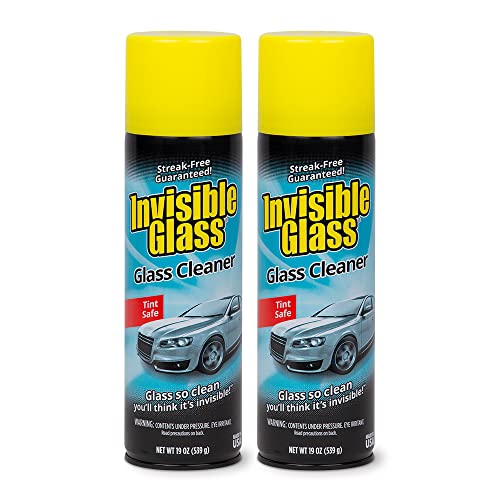
- polycarbonate safe cleaner spray for Lexan windows
- non-abrasive cleaner for Lexan polycarbonate window surfaces
- microfiber cloth kit for cleaning polycarbonate Lexan windows
- squeegee and microfiber pad set for polycarbonate Lexan windows


Before You Start
Before tackling Lexan windows, confirm they are not coated with specialized finishes that require unique care. Work in a shaded area to avoid rapid drying, and test cleaners on a small, inconspicuous spot first to ensure there is no discoloration or hazing. Avoid ammonia-based cleaners and abrasive pads, as they can etch or dull the polycarbonate surface. If the window is installed in a tight frame, use gentler strokes to prevent pressure-related scratches along the edges. Plan a cleaning window of 15–30 minutes, depending on size and grime level.
Step-By-Step: How To Clean Lexan Windows Safely
- Remove loose dust with a dry microfiber cloth to prevent scratching during wet cleaning.
- Shake or spray a polycarbonate safe cleaner onto a clean microfiber cloth rather than directly onto the glass to control the amount of liquid.
- Gently wipe the surface in straight, overlapping passes from top to bottom to avoid streaks, applying minimal pressure to avoid micro-scratches.
- For stubborn spots like fingerprints or smudges, reapply cleaner and use a light, circular motion before returning to linear strokes.
- Rinse or wipe away cleaner residue using a separate, damp microfiber cloth to prevent cleaner from drying on the surface.
- Use a squeegee and microfiber pad set for polycarbonate Lexan windows to remove excess moisture, especially on larger panes, ensuring smooth, even strokes.
- Dry the edges first with a soft cloth to prevent water spots. Inspect for remaining streaks and buff them with a dry microfiber cloth if needed.
- If the window is outdoors, repeat the process after a cool-down period if the glass warmed in the sun, to avoid rapid drying and streaks.
- Store cleaners in a cool, dry place and keep microfiber cloths laundered separately from other fabrics to avoid lint transfer.
- Document any recurring spots to consider a slightly different cleaning technique or cleaner for future maintenance.
- Finish with a final wipe using a clean microfiber pad to achieve a consistently clear finish across the entire surface.
- For prevention, perform routine cleanings every few weeks or after heavy rainfall to minimize buildup.
Troubleshooting
| Symptom | Likely Cause | Fix | Prevention |
|---|---|---|---|
| Streaky finish | Cleaner spotting or dry streaking | Switch to a microfiber cloth and ensure surface is evenly damp | Work in shade and use minimal cleaner per pass |
| Hazy or cloudy look | Hard water minerals or buildup | Wipe with a damp cloth using distilled water; rinse and dry | Rinse with clean water after cleaning |
| Scratches after cleaning | Rubbing with a rough cloth or abrasive pad | Switch to non-abrasive cloths and cleaners | Use dedicated polycarbonate-safe products |
| Edge staining or discoloration | Improper cleaner concentration near edges | Apply cleaner sparingly with gentle strokes | Protect edges during cleaning |
Common Mistakes
- Using ammonia-based cleaners on polycarbonate Lexan windows
- Scrubbing with abrasive pads or stiff brushes
- Cleaning in direct sun or on hot surfaces
- Letting cleaner dry before wiping it off
- Ignoring edge areas where buildup tends to accumulate
Tips For Best Results
- Test cleaners on a hidden area first to verify no adverse chemical reaction
- Always use a dedicated microfiber kit to minimize lint and streaks
- Light, consistent pressure prevents micro-scratches and hazing
- Keep a separate cloth for drying to avoid cross-contamination with dirty rags
- Inspect the pane from different angles to catch streaks that may be invisible from one side
Call A Professional
Consider professional help if Lexan windows have deep surface damage, persistent hazing, or clouding that obscures visibility. Seek a pro when cleaning requires removing the panel from a frame, resealing edges, or addressing scratches beyond routine maintenance. If you notice cracking, chipping, or edge separation, stop cleaning and contact a specialist promptly.
FAQ
Can I use regular glass cleaners on Lexan windows?
No. Regular glass cleaners often contain ammonia that can cause micro-damages and hazing on polycarbonate surfaces.
Is it safe to use water with cleaners on Lexan windows?
Yes, but use lukewarm or cool water and avoid high mineral content that can leave deposits.
What kind of cloth should I use?
Soft, non-abrasive microfiber cloths are best to prevent scratching and reduce lint.
How often should I clean Lexan windows?
Frequency depends on exposure, but a routine every 2–6 weeks keeps buildup manageable and visibility high.
Buying Guide
When selecting cleaning products for Lexan windows, consider size, noise level in spray applications, energy efficiency of any powered tools, and control features. Look for a polycarbonate safe cleaner label and a dedicated microfiber cloth kit designed for delicate surfaces. Choose a squeegee and microfiber pad set that provides even pressure across materials and fits the window dimensions. Evaluate whether a spray bottle kit simplifies application or if a concentrated formula with refill options better suits larger projects. For placement, assess indoor versus outdoor use and consider storage space for cleaners and rags. Compare products that avoid ammonia, abrasives, or harsh solvents to maximize Lexan window longevity and clarity. If unsure, start with a basic kit (cleaner, microfiber cloth, and squeegee) and upgrade as needed after evaluating results on a few panels.