Steam cleaning a couch is a practical, chemical-light way to refresh fabric and remove light stains, odors, and allergens. This method uses hot water vapor to lift dirt from the fibers, helping maintain the couch’s appearance and extend its life. The right equipment makes a big difference, especially when choosing between upright, handheld, or compact steam cleaners designed for upholstery.
Quick Answer
Choose a steam cleaner designed for upholstery or fabrics, pre-treat stains, and work in small, overlapping passes. Use the appropriate nozzle and brush, keep the nozzle a few inches from the fabric, and allow the fabric to dry fully before use. For large or delicate fabrics, consider a professional option or spot-cleaning patch tests first.
What You’ll Need
- Upright fabric steam cleaner for upholstery and couches
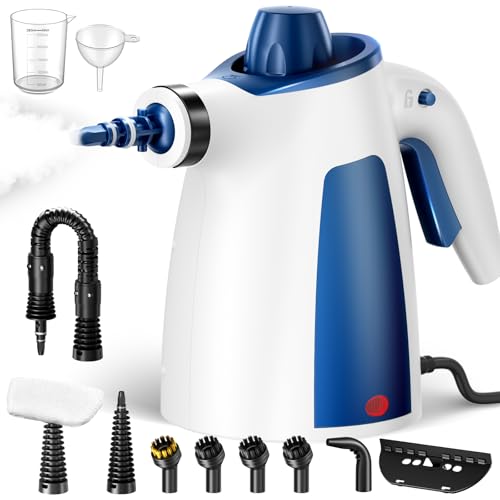
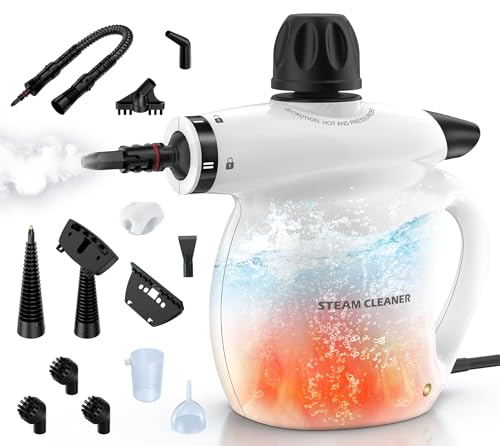
- Handheld upholstery steam cleaner for sofas
- Carpet and upholstery steam cleaner with nozzle kit
- Professional steam cleaner for furniture fabric
- Compact steam cleaner for furniture with built-in brush

Before You Start
Survey the couch for delicate fabrics or loose buttons and seams. Perform a spot test in an inconspicuous area: apply steam to a small, hidden section and wait 15 minutes to check colorfastness and fabric integrity. Clear the surrounding area from pets and small children, and vacuum the surface to loosen loose dirt. Time estimates vary by couch size and fabric; plan for 45 minutes to 2 hours, including drying time. Avoid saturating delicate fabrics and never steam over leather, silk, suede, or vinyl without a cleaner specifically designed for those materials.
Step-By-Step: How To Steam Clean A Couch
- Prepare the cleaning area – Park the steam cleaner near the couch and lay down towels to catch drips. Remove cushions and loosen tight upholstery with a brush or vacuum.
- Choose the right attachment – Use a nozzle kit or a furniture brush attachment designed for fabric. The compact steam cleaner for furniture with built-in brush works well for tight corners.
- Fill and prime the machine – Use clean water, following the manufacturer’s instructions. If available, run a short test cycle on a spare fabric swatch.
- Treat stains (optional) – Apply a fabric-safe stain remover to stubborn spots and allow it to dwell per product directions before steaming.
- Steam in sections – Work in small panels, holding the nozzle 1–3 inches from the fabric. Use slow, steady passes to lift dirt without soaking the material.
- Rinse and dry – If your machine has a rinse function or fresh water cycle, run it to remove residue. Blot with a microfiber cloth and use fans or open windows to speed drying.
- Address seams and cushions – Pay extra attention to seams and piping. Steam, then brush gently to lift fibers and prevent stiffness.
- Check for moisture – Ensure cushions and sections are not visibly damp before replacing cushions. If damp, allow extra drying time in a well-ventilated area.
- Finish and store – Once dry, reassemble cushions and store the machine per the manufacturer’s guidance. Consider light vacuuming after drying to restore fabric tufting.
- Inspect for missed spots – Do a final pass on any stubborn areas and repeat if necessary, avoiding over-wetting the fabric.
- Maintain the cleaner – Empty and rinse the tank, wipe the wand, and ensure no mineral buildup remains for the next use.
Troubleshooting
| Symptom | Likely Cause | Fix | Prevention |
|---|---|---|---|
| No steam | Water tank empty or clogged | Refill and clean nozzle; check filters | Regularly drain and rinse after use |
| Low steam pressure | Boiler buildup or blocked nozzle | Run cleaning cycle with descaling solution (per manual) | Use distilled water if allowed |
| Uneven drying | Over-wetting fabric | Wipe excess moisture and increase airflow | Test small area first; avoid saturating |
| Streaks or residue | Harsh cleaner or mineral deposits | Rinse cycle or switch to a fabric-safe cleaner | Rinse water after use |
Common Mistakes
- Using too much steam in one spot, causing over-wetting
- Steaming delicate fabrics without proper attachments
- Neglecting to pre-vacuum and pre-treat stains
- Skipping a thorough dry-time check before sitting on the couch
Good technique minimizes shrinkage, color fading, and stiffness. A steady pace and the right attachment help maintain fabric integrity while achieving cleaner, fresher upholstery.
Tips For Best Results
- Always test in an inconspicuous area before full-scale cleaning.
- Use clean water and avoid mineral-heavy sources to prevent residue buildup.
- Work in a well-ventilated space to speed up drying.
- Consider applying a fabric protector after cleaning for easier future maintenance.
- Document the couch’s fabric type and care label to guide future cleaning choices.
Call A Professional
Consider a professional steam cleaning for delicate fabrics, large sectional couches, or persistent odors that DIY methods don’t resolve. Stop signs to contact a pro include: fabric velvet with nap distortion, leather or vinyl components, visible puckering around seams, or persistent stains after multiple passes. When in doubt, a professional can assess fabric compatibility and provide a deep-clean protocol tailored to furniture materials.
FAQ
Is steam cleaning safe on all couch fabrics?
Steam cleaning works well on many common fabrics, but always perform a spot test and consult the fabric care label. Delicate materials may require spot cleaning or professional service.
How long does it take a couch to dry after steam cleaning?
Drying times vary by fabric and room conditions but typically range from 2 to 8 hours. Use fans and open windows to speed up the process.
Can I steam clean cushions separately?
Yes, cushions can be steam cleaned individually, which helps target high-traffic areas and speeds up drying.
What equipment is best for large couches?
For large couches, an upright fabric steam cleaner for upholstery or a carpet and upholstery steam cleaner with appropriate attachments is effective.
Buying Guide
When selecting a steam cleaner for couches, consider size, noise, and cleaning power. For American homes, an upright model with a wide nozzle and built-in brush can cover larger areas efficiently, while a handheld unit excels in tight corners and spot cleaning. Noise levels matter for living rooms, especially at night or near sleeping family members. Look for energy-efficient models with quick heat-up times and continuous refill capabilities. Check controls for adjustable steam settings and. placement versatility to reach cushions and backrests. Reading user reviews helps compare real-world results on upholstery fabrics. If possible, test a model with your couch fabric type to ensure compatibility and avoid color bleeding or texture damage. A versatile kit that includes multiple nozzles and brushes broadens cleaning options, making it easier to refresh different fabric textures without switching devices mid-clean.