Laminate countertops offer a durable, low-maintenance surface, but keeping them looking pristine requires the right approach. With the right products and a simple routine, you can remove stains, prevent dullness, and extend the life of your counters without damaging the finish.
This guide provides a practical, step-by-step method using commonly available cleaners and tools designed for laminate surfaces. It emphasizes safe, ammonia-free options and gentle scrubbing methods to protect your countertops while delivering sparkling results.
Quick Answer
Use a mild, ammonia-free laminate countertop cleaner spray or pre-moistened wipes for daily upkeep. For deeper cleaning, wipe with a soft microfiber cloth or non-scratch sponge dampened with water and a small amount of cleaner. Dry the surface to prevent streaks and moisture buildup.
What You’ll Need
- Laminate countertop cleaner spray ammonia-free microfiber safe
- Non-abrasive microfiber sponge for laminate countertops 3-pack
- Pre-moistened laminate countertop cleaning wipes citrus scent
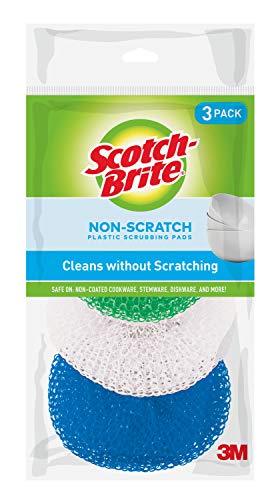
- Gentle scrubbing pad non-scratch for laminate kitchen counters
- Microfiber kitchen cleaning cloth 16×16 inches for laminate counters


Before You Start
Before cleaning, remove all items from the counter and wipe away loose debris with a dry cloth or dust mop. Use gentle pressure to avoid scratching the laminate. Always test a small, inconspicuous area first to ensure the cleaner doesn’t dull the finish. Allow cabinets and the backsplash to stay dry to prevent moisture from seeping into seams. Estimated prep and cleaning time: 15–30 minutes depending on the surface condition.
Step-By-Step: How To Clean Laminate Countertops
- Clear the area and remove any spills as soon as possible to prevent staining.
- Spray a light mist of laminate countertop cleaner evenly across the surface, focusing on stained or sticky areas.
- Wipe with a non-abrasive microfiber sponge or a soft microfiber cloth using circular motions to lift grime.
- For sticky residues, use a gentle scrubbing pad non-scratch and a little cleaner, applying minimal pressure.
- Use a second dry microfiber cloth to buff the surface and remove remaining moisture.
- Regular maintenance: use pre-moistened laminate countertop cleaning wipes citrus scent for quick daily touch-ups.
- Rinse or wipe with a damp cloth if the cleaner leaves any residue, then dry with a clean towel.
- Address tough stains (crayon, ink, or marker) with a dedicated laminate-safe cleaner and a soft pad, repeating as needed.
- Avoid abrasive pads, scouring powders, or bleach-based cleaners that can dull or scratch the finish.
- Return items to the counter once completely dry to prevent moisture from penetrating seams.
- Establish a routine: light wipe-down after meals and a deeper clean weekly to maintain luster.
Troubleshooting
| Symptom | Likely Cause | Fix | Prevention |
|---|---|---|---|
| Streaks after cleaning | Residue left from cleaner | Buff with a dry microfiber cloth until clear | Wipe with a damp cloth first, then dry |
| Scratches appearing | Rubbing with abrasive tools | Switch to non-scratch pads and avoid harsh scrubbing | Use soft cloths and gentle pressure |
| Dull or cloudy finish | Harsh cleaners or mineral buildup | Clean with a mild ammonia-free spray and buff | Choose laminate-safe products and rinse well |
| Sticky residue after cleaning | Too much cleaner or improper rinsing | Rinse with a damp cloth and dry completely | Use a small amount of cleaner and wipe clean |
Common Mistakes
- Using abrasive pads or powders on laminate surfaces
- Applying too much cleaner, leading to residue
- Not drying the surface, which can attract dust or cause water spots
- Cleaning with cleaners that contain ammonia or bleach unless specified safe for laminate
Sticking to gentle, ammonia-free formulas and microfiber tools helps prevent common issues and keeps counters looking like new.
Tips For Best Results
- Dust and wipe down daily to reduce buildup and make deeper cleans easier.
- Use a light spraying pattern to avoid saturating the seam areas.
- Pair microfiber cloths with the appropriate cleaner for efficient, streak-free results.
- Store cleaning tools in a dedicated cabinet to prevent cross-contamination with other surfaces.
Call A Professional
Seek professional help if the laminate shows deep cracks, warping, water damage, or persistent staining that won’t respond to standard cleaning. If there is swelling or peeling seams, contact a cabinetry or countertop professional promptly to prevent further damage.
FAQ
Can I use any spray on laminate countertops?
Use only ammonia-free, laminate-safe cleaners recommended for laminate surfaces.
Is it safe to use bleach on laminate countertops?
Avoid bleach unless the product explicitly states it is safe for laminate surfaces.
How often should I deep clean laminate countertops?
Deep clean once every 1–2 weeks, with daily spot cleaning as needed.
What tools are best for removing tough stains?
Non-abrasive microfiber sponges and gentle scrubbing pads designed for laminate use.
How do I prevent water damage on laminate counters?
Dry the surface thoroughly after cleaning and wipe up spills promptly.
Can I use warm water alone to clean?
Warm water works for light cleanup, but a mild cleaner improves stain removal and maintenance.
Are there substitutes for the listed products?
Yes, any laminate-safe, ammonia-free cleaner paired with a soft microfiber cloth works similarly.
Buying Guide
When selecting cleaning products for laminate countertops, consider size, ease of use, and how well they fit your cleaning routine.
- <bSize and packaging: Choose products that fit your cleaning cadence and the size of your kitchen. Spray bottles and wipes offer quick daily use, while larger bottles are economical for frequent cleaning.
- <bNoise level and convenience: Wipe-down routines with pre-moistened wipes tend to be quieter and faster, whereas spray bottles may require more handling but offer flexibility.
- <bEnergy efficiency and environmental impact: Select ammonia-free, eco-conscious formulas when possible to minimize harsh chemical use and reduce environmental impact.
- <bControls and usability: Look for spray triggers that feel comfortable and stable, and wipes that deliver consistent moisture without tearing.
- <bPlacement and storage: Store cleaners in a cool, dry area away from direct sunlight to preserve effectiveness and prevent container degradation.
For most households, a combination of ammonia-free spray cleaners and microfiber cloths or pads provides a balanced approach to daily maintenance and periodic deep cleans. If uncertainties arise about product compatibility with your laminate, review the manufacturer’s care instructions or consult customer support for clarifications.