Oil stains on concrete can be stubborn, but with the right approach you can restore a clean, even surface. This guide covers effective products and steps to lift oil from driveways, garages, and shop floors using commonly available concrete cleaning tools.
Quick Answer
Start by absorbing as much fresh oil as possible, apply a concrete degreaser, scrub with a stiff bristle brush, and rinse thoroughly. For stubborn stains, repeat with an oil stain remover powder and consider an absorbent pads kit for ongoing spills.
What You’ll Need
- Concrete degreaser for oil stains
- Oil stain remover powder for concrete
- Stiff bristle brush for concrete cleaning
- Oil spill cleanup kit for concrete floor
- Absorbent oil spill pads for concrete


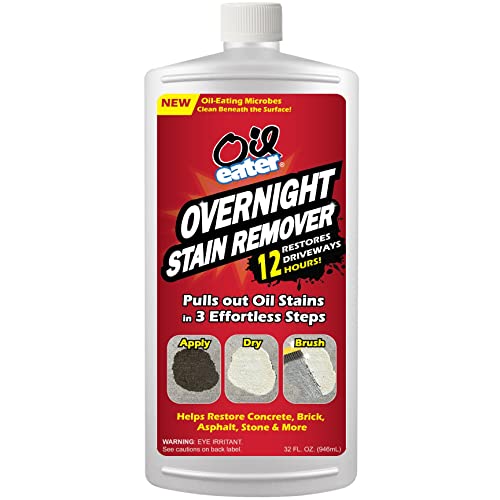
Before You Start
Protect nearby surfaces and wear gloves, eye protection, and closed-toe shoes. If weather allows, work in a shaded area to prevent rapid drying of cleaners. Test cleaner on a small, inconspicuous patch first to ensure it won’t damage the concrete or finish. Allow plenty of time for application and drying; plan for 2–6 hours depending on stain depth and product used. Keep children and pets away during cleaning.
Step-By-Step: How To Clean Oil Off Concrete
- Place absorbent pads or a cat litter substitute over the fresh oil to soak up the bulk of the spill.
- Sprinkle oil stain remover powder over the remaining stain and let it sit for 10–15 minutes to penetrate.
- Apply a liberal amount of concrete degreaser for oil stains directly onto the stain.
- Scrub the area with a stiff bristle brush for concrete cleaning using firm, circular motions.
- Rinse the area with clean water and repeat the degreaser and brushing steps if needed.
- For tougher stains, repeat with the powder treatment and a longer dwell time (up to 30 minutes).
- Rinse thoroughly and allow the surface to dry completely. If leftover residue remains, consider a second application.
- Dispose of contaminated pads and rinse water according to local guidelines; never pour oily water into drainage without proper treatment.
- Optionally apply a protective sealer after the surface dries to reduce future absorption.
- For ongoing spills, store a ready kit for quick response and minimize deep staining.
- Document the stain type and cleaning steps for future reference and prevention planning.
Troubleshooting
| Symptom | Likely Cause | Fix | Prevention |
|---|---|---|---|
| Stain remains after cleaning | Deep-set oil or insufficient dwell time | Reapply degreaser, extend dwell, scrub again | Address spills promptly; use absorbent pads |
| Cleaner foams or suds, no stain lift | Wrong cleaner for concrete type | Switch to a dedicated concrete degreaser for oil stains | Test on small patch first |
| Masking odor or residue | Incomplete rinse | Rinse thoroughly with clean water | Use extra water and air-dry area |
| Sealer peels after cleaning | Moisture trapped under surface | Ensure complete dry time before sealing | Ventilate area during dry time |
Common Mistakes
- Using household cleaners not designed for concrete can damage the surface.
- Skipping the absorption step and scrubbing first, which spreads oil further.
- Rushing the rinse; dirty water can spread contaminants to nearby areas.
- Neglecting to wear protective gear, increasing exposure risk.
Tips For Best Results
- Apply a degreaser while the stain is fresh for easier lifting.
- Choose a product that matches the stain depth—powders for tough stains, liquid degreasers for lighter spills.
- Work from the outside edges toward the center to prevent spreading the stain.
- Test any cleaner on a small area before full application.
- Follow manufacturer dwell times and rinse instructions for optimal performance.
- Consider sealing concrete after cleaning to reduce future penetration of oils.
Call A Professional
Contact a professional if stains persist after multiple cleanings, if the stain penetrates deeply into porous concrete, or if the area is part of a critical floor surface in a business setting. Seek prompt help for large spills, hydrocarbon contamination, or if odors linger after cleaning. For biohazard-related spills or chemical exposure, do not attempt DIY cleanup; call emergency services or a trained remediation team.
FAQ
What is the fastest way to remove an oil stain from concrete?
Absorb fresh oil, apply a concrete degreaser, scrub with a stiff brush, then rinse. For stubborn stains, repeat with an oil stain remover powder.
Can I use dish soap to clean concrete oil stains?
Dish soap is not ideal for embedded oil; use products formulated for concrete degreasing and oil stain removal for best results.
Is sealing concrete after cleaning necessary?
Sealing helps resist future oil penetration and makes cleaning easier, but ensure the surface is completely dry before application.
How should I dispose of used absorbent pads?
Place used pads in a sealed bag and follow local hazardous waste disposal guidelines; never pour oily water down the drain without treatment.
What if the stain returns after rain or heat?
Repeated cleaning and a long-term sealing plan can reduce re-emergence; address drainage and spill prevention around the area.
Buying Guide
When selecting products for oil removal on concrete, consider size and coverage, stain severity, and surface type. For most households, a concrete degreaser for oil stains plus a stiff bristle brush provides a solid base. For durable prevention, an oil spill cleanup kit for concrete floor paired with absorbent oil spill pads for concrete offers ready-to-use solutions. Look for products labeled safe for concrete and compatible with your finish. If you manage frequent spills, a kit with multiple absorbent pads and a high-capacity cleaner reduces downtime. Consider whether you need all-in-one solutions or modular tools to tailor to surface area and stain depth.