Clogged kitchen sink drains are a common household issue. A natural approach uses everyday ingredients and simple tools to clear blockages without harsh chemicals. This guide covers practical steps, safe prep, and maintenance tips to keep drains flowing smoothly in American homes.
Quick Answer
Quick method: Start with hot water and baking soda and vinegar, then move to enzymatic cleaners for lingering odors. For stubborn clogs, employ a manual drain snake. Finish with a silicone brush and a reusable strainer to prevent future buildup.
What You’ll Need
Gather these tools and supplies to tackle most kitchen sink drain situations with natural methods.
- baking soda and vinegar drain cleaner kit 16oz
- enzymatic drain cleaner for kitchen sink 32oz
- manual drain snake unclogger flexible auger 1/4 inch
- silicone sink drain brush cleaning tool with flexible bristles
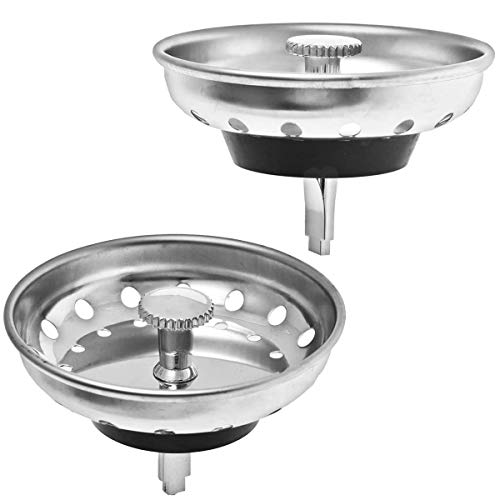
- reusable stainless steel sink strainer stopper


Before You Start
Prepare the area and plan for a 30–60 minute session. Clear the area under the sink, have a bucket handy, and protect the countertop with towels. Safety is key when handling cleaners and tools—keep children and pets away. If you have a septic system, choose enzyme-based cleaners that are gentle on bacteria. Time estimates vary: light maintenance may take 15–20 minutes, while stubborn clogs could require longer and multiple approaches.
Step-By-Step: How To Clean A Kitchen Sink Drain Naturally
- Remove standing water: If the sink is full, bail out excess water to the bucket to access the drain more easily.
- Boil water: Heat several quarts of water to a rolling boil in a kettle or pot.
- Pour baking soda: Add 1/2 cup of baking soda directly into the drain to start breaking up grease and residue.
- Seal with vinegar: Immediately pour 1 cup of white vinegar or a vinegar–water mix into the drain. The chemical reaction helps loosen deposits.
- Cover and wait: Place a stopper or cloth over the drain and wait 15–20 minutes for the mixture to work.
- Flush with hot water: Slowly pour the boiling water down the drain to rinse away loosened material.
- Apply enzymatic cleaner: If odors persist, follow the enzymatic drain cleaner instruction with a 32-ounce bottle. Let it sit as directed for best results.
- Mechanical aid if needed: If clogs remain, use the manual drain snake unclogger 1/4 inch. Feed it gently into the drain and twist to grab or break up debris.
- Finish with a brush: Clean the inside of the drain and pipes using the silicone sink drain brush with flexible bristles to remove buildup.
- Prevent future clogs: Install and clean the reusable stainless steel sink strainer stopper after each use to trap food particles.
- Routine maintenance: Repeat monthly or when you notice slower drainage to maintain flow and reduce odors.
Troubleshooting
| Symptom | Likely Cause | Fix | Prevention |
|---|---|---|---|
| Slow drainage after cleaning | Grease or soap scum buildup | Repeat baking soda and vinegar cycle and flush with hot water | Run hot water after each dish and use a strainer |
| Foul odor persists | Organic query in trap or pipes | Use enzymatic cleaner and sanitize the trap | Regularly clean the trap and prevent food entry |
| Clog returns quickly | Hair or food blockage in trap | Use drain snake to clear trap; check disposal if present | Scrape plates before washing and use stopper |
| Water backs up into sink other side | Shared drain line full or blocked | Pour baking soda and vinegar cycles on each side and clear with snake if needed | Avoid putting fibrous foods or coffee grounds down the drain |
Common Mistakes
- Relying on chemical drain cleaners too often. They can damage pipes and are hard on septic systems.
- Skipping the drain trap inspection. Food particles can accumulate without notice.
- Using excessive force with a drain snake, risking pipe damage.
- Neglecting preventive measures, such as a strainer and regular cleaning routine.
The goal is to clear the clog while protecting pipes and the environment. Natural methods reduce chemical exposure and support household safety.
Tips For Best Results
- Always start with hot water to loosen grease before chemical-free interventions.
- Use baking soda followed by vinegar for a safe, foaming flush that disrupts buildup.
- Allow enzymatic cleaners to sit as directed to maximize digestion of organic matter.
- Carefully rotate between methods if a single approach does not fully clear the drain.
- Clean the silicone brush and strainer after each use to prevent reintroduction of debris.
Call A Professional
Seek professional help if the drain remains clogged after multiple attempts, if you notice sewage backing up, or if there are unusual noises or gurgling in the pipes. Professionals should be consulted for persistent blockages, sewer smells, or suspected pipe damage.
FAQ
Can baking soda and vinegar really unclog a drain?
Yes, when used together they create a foaming action that can help loosen grease and residue. If the clog persists, proceed to enzymatic cleaners or a drain snake.
Are enzymatic cleaners safe for septic systems?
Most enzymatic cleaners are designed to be septic-safe when used as directed. They help break down organic material without harming beneficial bacteria.
How often should I clean my kitchen sink drain?
Regular maintenance—monthly or quarterly depending on usage—helps prevent buildup and reduces odor.
What maintenance prevents clogs the best?
Use a drain strainer, avoid putting fibrous foods down the disposal, and flush with hot water after meals to minimize grease accumulation.
Buying Guide
Choosing the right tools and products for natural drain cleaning involves considering size, effectiveness, and ease of use. This guide highlights key factors to help shoppers compare options and select a set that fits a typical American kitchen.
- Size and capacity: For kitchen sinks, select a drain snake with a flexible 1/4 inch cable and adequate length to reach typical traps.
- Drain cleaner strength: Enzymatic cleaners offer long-term maintenance without harsh chemicals; baking soda and vinegar provide a quick, chemical-free flush for routine buildup.
- Noise and ease of use: Tools like brushes and strainers should be easy to maneuver under the sink and dishwasher-safe if applicable.
- Energy and water efficiency: Natural methods use minimal energy; choose products that require little heat or electricity, and rinse with hot water when possible.
- Controls and placement: Strainers should fit standard kitchen sink sizes and be easy to remove for cleaning; ensure a snug fit to prevent debris entry.
- Maintenance compatibility: Pick products that pair well with each other—baking soda for quick cycles and enzymatic cleaners for deeper maintenance, plus a reliable brush for routine scrubbing.
When comparing kits, consider how often you expect to tackle clogs, whether you have a septic system, and how important odor control is in your kitchen. A balanced set often includes a strain—like a reusable stainless steel sink strainer stopper—a flexible drain snake for stubborn clogs, and a reliable enzymatic cleaner for ongoing care. If in doubt, start with a basic kit and add tools as needed.