Cigarette smoke can leave stubborn residues on walls and ceilings, affecting air quality and the look of a room. This guide outlines practical, proven steps to remove smoke staining, neutralize odors, and prevent reoccurrence using common cleaning tools and products available in American households.
Whether you’re restoring a rental unit or refreshing a living space, a systematic approach helps achieve noticeable results. The process combines surface prep, targeted cleaning agents, mechanical agitation, and proper deodorization to restore a fresh, clean environment.
Quick Answer
Identify the surfaces (painted walls, ceilings, trims) and start with the mildest cleaner. If smoke stains persist, switch to a specialized degreaser and then follow with an odor-eliminating vacuum. Always ventilate the area and test a small hidden patch first.
What You’ll Need
- Smoke damage cleaner for walls spray 32 oz
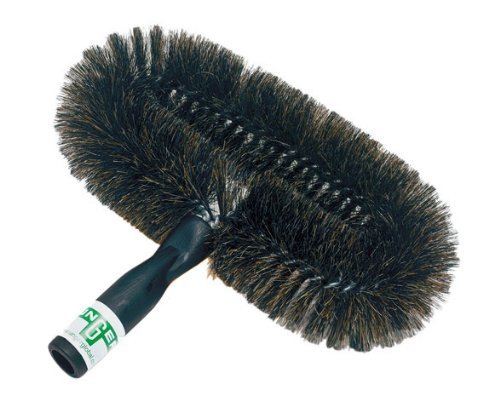
- Soot removal scrub brush for walls ceilings
- Microfiber wall cleaning cloths extendable pole set
- Odor eliminating vacuum for smoke damage HEPA
- Alkaline degreaser spray for ceilings walls


Before You Start
Prepare the space by removing furniture or moving it to the center and covering surfaces not being cleaned. Open windows and run any available exhaust fans to improve ventilation. Wear protective gloves and a dust mask to limit exposure to soot particles. Time estimates vary by room size and level of soot; plan for a few hours for a single room and more for larger areas. Do not mix cleaning chemicals not intended for surface contact, as this can create dangerous fumes.
Step-By-Step: How To Clean Cigarette Smoke From Walls And Ceilings
- Clear the area and dust ceilings and walls with a dry microfiber cloth to remove loose soot.
- Prepare the cleaning solution: dilute or apply the alkaline degreaser spray for ceilings walls according to label directions for painted surfaces.
- Test a hidden spot on the wall or ceiling to ensure no discoloration occurs.
- Spray or apply the cleaner to a small section at a time, starting from the top of the wall and moving downward.
- Use the soot removal scrub brush for walls ceilings to gently agitate embedded residues without damaging the paint.
- Rinse the section with a clean, damp microfiber cloth to remove loosened grime.
- Repeat process in 2–3-foot sections until most stains are lifted.
- Use the microfiber wall cleaning cloths extendable pole set to reach high ceilings and corners without climbing.
- Allow surfaces to dry, then vacuum with the odor eliminating vacuum for smoke damage HEPA to remove remaining particles and odors.
- Inspect for persistent smells or stains; apply a second treatment if necessary, focusing on problem areas.
- Repaint if stains bleed through or if the smell persists beyond cleaning. A fresh coat can seal in residues.
- Clean adjacent ceilings, baseboards, and trim to prevent residual smoke from migrating back onto walls.
Troubleshooting
| Symptom | Likely Cause | Fix | Prevention |
|---|---|---|---|
| Persistent odor after cleaning | Deep-seated odor molecules | Use odor-eliminating vacuum and consider sealant or fresh paint | Improve ventilation during cleaning; use air purifiers |
| Streaks or discoloration | Over-wetting or incompatible cleaner | Switch to a milder cleaner and wipe with a damp cloth | Test patch first; clean in sections |
| Residue remains after brushing | Heavy soot buildup | Repeat cleaning cycle with gradual agitation | Address at early stages with regular maintenance |
| Paint peeling after cleaning | Aggressive cleaner or prep before repaint | Rinse thoroughly and allow complete drying; repaint if needed | Choose approved cleaners for painted surfaces |
Common Mistakes
- Using abrasive brushes on delicate painted surfaces
- Neglecting high areas like ceilings and crown moldings
- Skipping patch tests that prevent color loss or surface damage
- Over-wetting walls, which can cause paint peeling or drywall damage
Tips For Best Results
- Work in a well-ventilated space and wear protective gear to avoid inhaling soot particles
- Start with the mildest cleaner and escalate only if needed
- Use long-handled tools to minimize lifting and stretching on ladders
- Combine mechanical agitation with chemical cleaners for the best soot removal
- Finish with an odor-control vacuum for a deeper clean and reduced residual smells
Call A Professional
Consider consulting a pro if smoke damage is extensive, covers multiple rooms, or has penetrated porous materials like drywall beyond the surface. Stop and seek help if there is mold growth, extensive paint damage, or structural concerns. Persistent odors that refuse to fade after cleaning and deodorization may require professional remediation.
FAQ
Can I clean smoke stains on wallpaper?
Yes, but proceed cautiously and test a small area; some wallpapers may lift or discolor when exposed to cleaners.
What is the best order to clean walls and ceilings?
Start from the ceiling and work downward to prevent recontamination of cleaned areas.
Are there safe alternatives to alkaline degreasers?
Milder degreasers or soap-and-water solutions can work on some painted surfaces; always test first.
How long does it take to air out a smoke-affected room?
Air-out times vary by room size and ventilation; using a HEPA vacuum and air purifier can speed up odor removal.
Is repainting always necessary after smoke cleaning?
Not always, but persistent staining or odor may necessitate refinishing treated areas.
Should I clean ceilings first or walls?
Clean ceilings first, then walls to prevent drips from affecting cleaned surfaces.
What if stains return after cleaning?
Stains can reappear if smoke residues remain in accessible layers; repeat cleaning or repaint as needed.
Buying Guide
Choosing the right products and tools helps ensure effective smoke cleanup while protecting surfaces. Consider size, noise, and storage practicality alongside cleaning power.
- Size and reach: An extendable pole set helps access high ceilings without ladders, reducing risk and effort.
- Cleaning power: A dedicated smoke damage cleaner and an alkaline degreaser provide effective residue removal on painted walls and ceilings.
- Odor control: An odor eliminating vacuum with HEPA filtration can capture soot particles and reduce lingering smells.
- Surface compatibility: Test cleaners on a hidden area to avoid discoloration or damage to walls, ceilings, or trims.
- Ease of use: Look for spray bottles and ready-to-use solutions to minimize prep time while maintaining effectiveness.
- Noise and operation: Choose tools and vacuums with manageable noise levels if cleaning during evenings or in small living spaces.
- Placement and storage: Store cleaning agents away from children and pets; keep brushes, cloths, and extendable poles organized for quick future cleaning.
Would you like help selecting specific models based on room size or budget? If so, share details on your space and the level of smoke exposure, and the guide can tailor recommendations accordingly.