Body odor in a room can originate from clothing, laundry, or sweat that lingers in fabrics. Odors may also be carried by air from nearby bathrooms, kitchens, or living spaces. A multi-pronged approach—air purification, odor absorption, and targeted deodorizing—often yields the best results. This guide provides practical steps and recommends specific tools to help American homes quickly restore a fresher indoor environment.
The methods below emphasize safe, effective odor control using commonly available products. They balance mechanical air cleaning, chemical neutralization, and fabric treatment to address both source and air-dispersed odors.
Quick Answer
To remove room odors efficiently, combine an HEPA air purifier with activated carbon filter for broad air cleaning, an activated charcoal odor absorber for persistent smells, and an enzymatic odor eliminator spray for fabrics. If smoke odors are present, consider a carbon filter air purifier tailored for cigarette smells. For severe cases, use an ozone air purifier with caution and proper ventilation.
What You’ll Need
- HEPA air purifier with activated carbon filter for room odor removal
- Activated charcoal odor absorber bags 12×16 inches for room
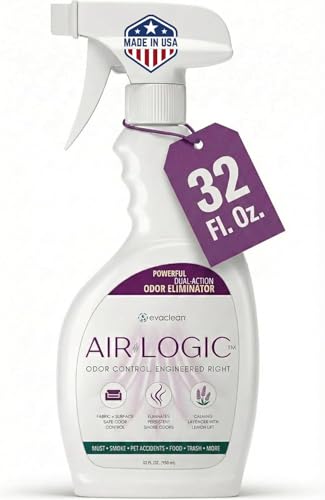
- Enzymatic odor eliminator spray for rooms fabrics
- Ozone air purifier for odor removal
- Carbon filter air purifier for cigarette smoke odors


Before You Start
Assess the room: identify likely odor sources such as laundry piles, upholstered furniture, or pet areas. Ventilate if possible by opening windows or turning on exhaust fans. Avoid using ozone devices in occupied spaces without following manufacturer safety instructions due to potential respiratory irritation. Plan for a cleanup window of several hours to a full day, depending on odor severity. Keep children and pets away from cleaners and purifiers during operation.
Step-By-Step: How To Choose And Use Odor-Targeting Gear
- Place a HEPA air purifier with activated carbon filter for room odor removal in the room’s center or near the main odor source to maximize air turnover.
- Arrange activated charcoal odor absorber bags 12×16 inches for room at corners and under furniture to capture lingering particles.
- Apply enzymatic odor eliminator spray for rooms fabrics to fabrics like sofas, drapes, and cushions. Let it dry completely before use.
- Run the purifier for several hours in a high-traffic, odor-prone area, keeping doors to other spaces closed to contain treatment effects.
- If cigarette smoke or stubborn smells persist, deploy a carbon filter air purifier for cigarette smoke odors and set to a higher fan speed during initial treatment.
- Use the ozone air purifier for odor removal only in unoccupied spaces and follow all safety guidelines; run during a scheduled window and ventilate after treatment.
- Reassess the air after an initial pass. Replace or refresh filters and reapply the enzymatic spray if fabric odors remain.
- Refresh absorbers and reposition purifiers after 24 hours for continued effectiveness; consider a second pass if odors linger.
- Clean visible sources (laundry, trash, or damp areas) to reduce ongoing odor generation while purifiers work.
- Maintain routine filter changes and fabric cleanings to prevent odor buildup from returning.
- Document odor progress with a quick room check and note any remaining problem areas for targeted treatment.
- Schedule periodic maintenance and a seasonal refresh of absorbers and sprays to sustain a fresh environment.
Troubleshooting
| Symptom | Likely Cause | Fix | Prevention |
|---|---|---|---|
| Odor persists after using purifier | Filters saturated or insufficient purifier capacity | Replace filters; increase purifier size or run time | Regular filter maintenance; match purifier to room size |
| Fabric smells remain after enzymatic spray | Deep fabric odors or moisture buildup | Reapply spray to dry fabrics; launder textiles if possible | Keep spaces dry; clean upholstery periodically |
| Unpleasant odors reappear quickly | New odor source or inadequate absorption | Add more odor absorbers; relocate purifiers to active zones | Address root causes (laundry, mildew, smoking areas) |
| Ozone device causing irritation | Improper use or overexposure | Stop device; ventilate; follow manufacturer guidance | Use only in unoccupied spaces per instructions |
| Smoke odors not controlled | Insufficient charcoal/carbon filtration | Pair purifier with activated carbon additions | Increase air exchange and surface cleaning |
Common Mistakes
- Relying on a single solution for all odor sources—fabric, air, and surfaces require different approaches
- Neglecting ventilation after ozone-based treatment
- Overlooking hidden odor sources like dirty laundry baskets or damp closets
- Skipping regular filter changes, which reduces purifier effectiveness
These missteps can extend odor persistence and reduce the effectiveness of odor-control efforts.
Tips For Best Results
- Run purifiers continuously during peak odor times, then adjust to a maintenance schedule
- Combine enzymatic sprays with fabric-safe cleaning for best fabric deodorization
- Place absorbers in areas with limited air flow for maximum contact time
- Coordinate using ozone devices with all occupants away and proper ventilation afterward
- Keep textiles clean and promptly launder or wash items that trap odors
Call A Professional
Seek professional help if odors persist despite multiple treatments, or if there are signs of mold, mildew, or persistent dampness. Stop using ozone devices if anyone reports breathing irritation, and contact a pro for safer, compliant odor remediation options.
FAQ
What is the fastest way to remove room odors?
Running a combination of a HEPA air purifier with activated carbon and placing activated charcoal odor absorbers typically yields quick improvements.
Are ozone cleaners safe for home use?
Ozone devices should be used only in unoccupied spaces and according to manufacturer safety guidelines due to possible irritation.
Which products are best for cigarette smoke odors?
A carbon-filter air purifier designed for cigarette smoke odors is effective, especially when paired with absorbers and fabric treatments.
Do enzymatic sprays work on fabrics?
Yes, enzymatic odor eliminators break down organic residues on fabrics, reducing smell at the source.
How often should I refresh odor absorbers?
Check and replace or reposition absorbers every 1–3 months, or sooner if odors reappear.
Can odors come back after cleaning?
Yes, if sources aren’t addressed or if textiles and surfaces are not regularly cleaned and ventilated.
Should I hire a professional for stubborn odors?
Yes, especially for persistent odors, suspected mold, or post-fire/smoke situations requiring specialized equipment.
Buying Guide
When selecting odor-control gear, consider room size, noise level, and energy efficiency. A larger HEPA air purifier with activated carbon filter for room odor removal handles bigger spaces, while smaller units suit bedrooms or offices. Look for units with adjustable fan speeds and filter lifetime indicators to minimize maintenance. For persistent odors, pairing multiple devices—such as activated charcoal odor absorber bags and targeted sprays—provides a layered approach. If smoke or strong chemical odors are present, a dedicated carbon filter air purifier for cigarette smoke odors can be a practical addition. If choosing an ozone purifier, ensure proper usage guidelines are followed and only run when spaces are unoccupied. Consider placement: central high-traffic areas and near odor sources often yield the best results. Finally, compare energy use and warranty coverage to balance cost with long-term odor control performance.