Cleaning ipe wood restores its natural color and preserves its durability. This guide walks through safe methods and practical steps to remove dirt, oils, and weathering without harming the timber’s dense, oily surface.
Quick Answer
Use a **soft or stiff bristle deck brush** with a mild wood cleaner designed for tropical hardwoods, followed by a gentle rinse. Treat tough stains with an **oxalic acid wood cleaner** or a **wood brightener deck cleaner** suited for ipe, then rinse thoroughly and dry before sealing or oiling as recommended.
What You’ll Need
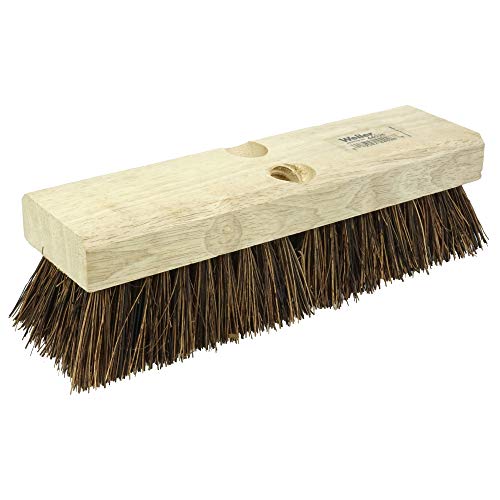
- ipe wood deck cleaner brush — a deck brush with soft or medium stiffness to lift grime without scratching the wood
- pressure washer for deck cleaning with interchangeable nozzle — use on a low setting to avoid fiber damage
- stiff bristle deck scrub brush for hardwood — for stubborn areas and textured surfaces
- oxalic acid wood cleaner for ipe deck — removes rust stains and mineral deposits
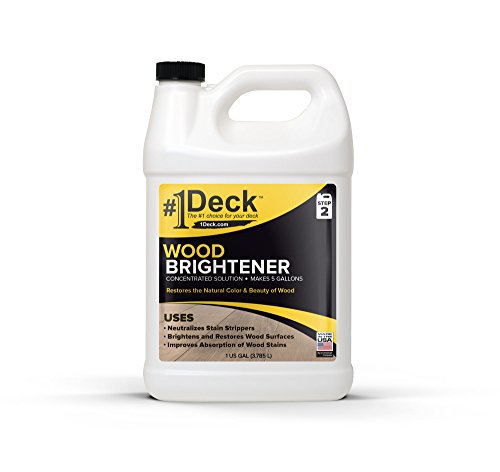
- wood brightener deck cleaner for tropical hardwood — brightens aged surfaces and evens tone

Before You Start
Prepare the area by removing furniture and protecting nearby plants. Test cleaners on a small, inconspicuous section to gauge color change and reaction. Wear eye protection, gloves, and long sleeves. Work with the grain to avoid splintering and keep a steady, even motion with the brush. Allow cleaning solutions to dwell only as recommended by product instructions, then rinse completely with water. The deck should be dry before applying any sealant or oil to prevent trapping moisture.
Safety note: Do not use bleach-based cleaners on ipe, and avoid high-pressure jets that can damage the wood’s surface. If the wood shows deep stains or significant dulling, proceed with a targeted approach using oxalic acid or a brightener as directed by their labels.
Step-By-Step: How To Clean Ipe Wood
- Clear the deck and apply a primer rinse with a hose to remove loose debris.
- Apply a tropical hardwood-friendly cleaner to the surface, focusing on shaded areas with higher grime buildup.
- Invite a brief dwell time per product instructions, usually 5–15 minutes, to loosen grime and surface oils.
- Use a stiff bristle deck scrub brush for hardwood or a ipe wood deck cleaner brush to agitate the grain, moving with the wood’s direction.
- Rinse with a pressure washer for deck cleaning with interchangeable nozzle, using a wide angle and low pressure to avoid gouging the wood.
- If stains persist, apply oxalic acid wood cleaner for ipe deck to mineral deposits and rust marks, then scrub gently and rinse well.
- For dull or uneven tones, use wood brightener deck cleaner for tropical hardwood to restore natural color and moisture balance.
- Allow the deck to dry completely, then inspect for any remaining spots and repeat if necessary before sealing or oiling.
Troubleshooting
| Symptom | Likely Cause | Fix | Prevention |
|---|---|---|---|
| Dull, gray patina returns quickly | Surface oxidation or inadequate cleaning | Re-clean with cleaner and brighteners; rinse thoroughly | Regular maintenance cleaning every 6–12 months |
| Stains persist after cleaning | Mineral deposits or iron staining | Apply oxalic acid cleaner as directed, scrub, then rinse | Address water runoff and wipe spills promptly |
| Wood appears fuzzy or rough after wash | Overly aggressive brushing or high-pressure rinse | Switch to gentler brushing and lower pressure | Use proper nozzle and technique |
| Discoloration following brightening | Over-application or uneven coverage | Evenly reapply according to instructions | Test in a small area first |
Common Mistakes
- Using bleach or high-alkaline cleaners on ipe
- Using high-pressure washers on close range
- Brushing with metal tools that scratch the surface
- Skipping a thorough rinse after cleaners or brighteners
- Waiting too long between cleanings, allowing deep grime to set
Tips For Best Results
- Test any product on a small area before full application to avoid uneven outcomes.
- Work in shaded areas to prevent rapid drying and streaking.
- Keep the wood damp but not soaking while cleaning to prevent warp or damage.
- Follow product labels for dwell times and safe concentrations to protect the wood’s pigment and oils.
- Schedule cleaning before sealing or oiling, ensuring the surface is completely dry.
Call A Professional
Consider contacting a pro if the deck shows deep damage, persistent stains after multiple cleaning attempts, or if the surface is heavily warped or cracked. Stop signs include ongoing rot, soft spots, or if the finish appears permanently degraded. A professional can assess structural integrity and advise on long-term restoration.
FAQ
Is oxalic acid safe for ipe wood?
Yes, when used according to label directions, oxalic acid removes rust stains and brightens the wood without harming the surface.
Can I use a pressure washer on ipe?
Yes, but use a low-pressure setting and wide nozzle to avoid gouging the grain or splintering the deck.
How often should I clean an ipe deck?
Typically every 6–12 months, depending on climate, foot traffic, and exposure to debris.
Should I seal after cleaning?
Yes, allow complete drying and then seal or oil as recommended to protect the wood’s color and durability.
What’s the best cleaner for tropical hardwoods?
Choose cleaners labeled for tropical hardwoods that can brighten and balance tone without lifting natural oils.
What if I see staining after cleaning?
Reassess the area, reapply oxalic acid or brightener in accordance with instructions, and rinse thoroughly.
Can I mix cleaners?
Avoid mixing cleaners; use products as directed individually to prevent chemical reactions or surface damage.
Buying Guide
When choosing cleaning tools and products for ipe wood, consider several factors to optimize results and protect the deck’s longevity.
- <bSize and surface compatibility: Select brushes designed for hardwoods and compatible with wood textures. A stiff-bristle brush can help with ingrained grime, while a softer option protects delicate surfaces.
- <bNoise and energy considerations: If using a garden hose or electric cleaner, account for noise and power usage in neighborhoods with noise restrictions.
- <bCleaning power and dwell time: Look for cleaners with clear dwell times to avoid over-wetting or under-treating the surface.
- <bEnergy efficiency: While most deck cleaning is manual, choose tools with energy-efficient power options and low water usage when possible.
- <bControls and ease of use: Choose user-friendly products with straightforward instructions and visible safety notes.
- <bPlacement and storage: Store cleaners and brushes in a cool, dry place away from direct sunlight; keep chemical containers upright and labeled.
- <bCompatibility with sealers: Ensure cleaners are compatible with the intended sealant or oil to avoid adverse chemical reactions.
Thinking about the right combination? A typical setup includes an ipe wood deck cleaner brush, a stiff bristle deck scrub brush for hardwood, a low-pressure compatible pressure washer with interchangeable nozzles, and a targeted oxalic acid or brightener product for stubborn stains. With these tools, homeowners can achieve a balanced, natural finish that highlights ipe’s durability without compromising its appearance.