Live edge wood brings natural character to furniture and countertops, but it also requires careful cleaning to protect its finish and longevity. This guide explains safe methods to clean and maintain live edge slabs, shelves, and tabletops using common hardwood care products. Readers will find step by step instructions, practical tips, and maintenance routines tailored to real wood edges.
Whether you are caring for a recently finished live edge piece or restoring a well-loved slab, following best practices helps preserve grain, color, and tactile appeal. The methods below emphasize gentle cleaners, proper drying, and conditioned protection to keep live edge wood looking vibrant for years.
Quick Answer
Dust regularly with a microfiber cloth, use a dedicated wood cleaner spray for grime, wipe with a soft bristle brush for textured areas, and follow with a mineral oil conditioner or tung oil finish to renew moisture and sheen. Avoid harsh chemicals and never soak the wood. Always test a small area first.
What You’ll Need
- Live edge wood cleaner spray 32 oz
- Microfiber cloths for wood cleaning set
- Soft bristle wood cleaning brush
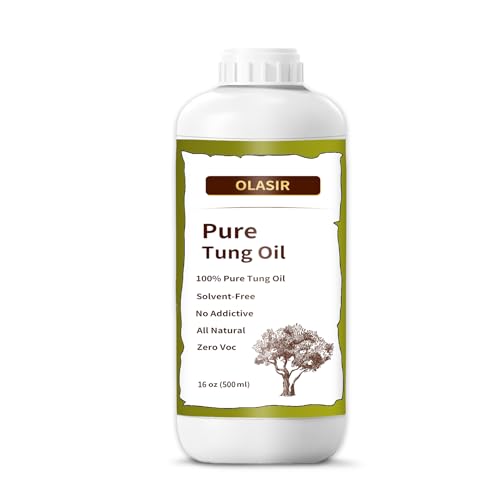
- Tung oil finish for live edge wood 16 oz
- Mineral oil wood conditioner for live edge slabs 8 oz


Before You Start
Prepare the work area by placing a soft mat to protect edges from scrapes and using a dry, well-ventilated space. Test any cleaner or oil on an inconspicuous corner first to ensure there is no color change or finish reaction. Time estimates vary: cleaning and conditioning a typical live edge surface takes 20–45 minutes, plus drying time between steps.
Step-By-Step: How To Clean Live Edge Wood
- Remove loose dust with a dry microfiber cloth, following the grain to avoid scratching.
- Apply a light mist of live edge wood cleaner spray to a clean cloth or directly to the surface, avoiding excessive moisture.
- Gently wipe the surface in the direction of the grain, paying attention to crevices and natural edges where dust hides.
- For textured or rough areas, use a soft bristle wood cleaning brush to dislodge embedded dirt, then wipe away residue with a fresh cloth.
- Allow the surface to dry completely before applying oil or finish. This helps prevent trapping moisture.
- Apply a thin coat of mineral oil wood conditioner for live edge slabs, working it into the wood with circular motions and a clean cloth.
- Let the conditioner sit for several minutes, then buff with a dry microfiber cloth to remove any excess oil.
- Optional: for added protection and sheen, apply a tung oil finish for live edge wood, following product instructions for application and cure time.
- Recondition periodically, repeating the cleaning and oiling steps as needed to maintain moisture balance and depth of color.
- Avoid using household detergents, ammonia, or high-saturation products that can strip the wood’s natural oils and cause staining.
- Store cleaning products away from heat sources and out of direct sunlight to prevent degradation of finishes.
Troubleshooting
| Symptom | Likely Cause | Fix | Prevention |
|---|---|---|---|
| Cloudy or hazy finish after cleaning | Residual cleaner or moisture | Wipe with a dry cloth, then apply a thin oil coat and buff | Use minimal moisture and test first |
| Streaks after oiling | Uneven oil absorption | Buff more thoroughly with a clean cloth | Apply small amounts evenly |
| Dry or cracked edge after washing | Over-drying or insufficient conditioning | Rehydrate with mineral oil conditioner and allow to cure | Maintain regular conditioning schedule |
| Dull appearance on aged wood | Lack of conditioning | Reapply tung oil finish if recommended by product | Periodic maintenance |
Common Mistakes
- Using high-moisture sprays or soaking the wood
- Over-oiling, which can create sticky surfaces or attract dust
- Skipping a test patch before applying cleaners or oils
- Neglecting regular dusting, leading to ingrained grime
Tips For Best Results
- Dust frequently with a dry microfiber cloth to maintain the surface between deeper cleanings.
- Use a dedicated wood cleaner spray rather than household cleaners to protect finish.
- Work with the grain to minimize micro-scratches and ensure even oil absorption.
- Condition the wood every few months for indoor pieces and at intervals based on climate and use.
- Keep edges dry during cleaning to prevent water from seeping into cracks.
Call A Professional
Consider contacting a wood finishing or restoration professional if the live edge exhibits severe cracking, color variation beyond normal aging, or if a refinish seems beyond DIY scope. Signs that warrant expert help include structural damage, significant warping, or finishes that fail to cure properly despite repeated attempts.
FAQ
Can I use mineral oil on all live edge woods?
Mineral oil is generally safe for many live edge surfaces, but test first and follow manufacturer directions for best results.
How often should I condition live edge wood?
Typical guidance is every 3–6 months for indoor pieces, or when the wood begins to feel dry or look dull.
Is tung oil suitable for all finishes on live edge wood?
Tung oil can enhance depth and protection, but apply according to product instructions and consider compatibility with existing finishes.
What should I avoid when cleaning live edge slabs?
Avoid harsh chemicals, excessive moisture, and abrasive tools that can damage the natural edge and finish.
Buying Guide
Choosing products for live edge wood requires balancing finish, ease of use, and long-term maintenance. When evaluating cleaners, oils, and cloths, consider the following factors:
- Size and coverage: A 32 oz cleaner covers practical cleaning needs for multiple surfaces; ensure a bottle size matches your project scope.
- Noise and ease of use: Simple spray bottles and ready-to-use oils reduce effort and mess.
- Energy efficiency and sustainability: Look for low-VOC formulas and body-friendly finishes that dry evenly without strong odors.
- Controls and application: For oils, even spread and proper curing times matter; look for easy-to-follow instructions and clear reapplication intervals.
- Placement considerations: Indoor vs outdoor use affects finish choice and maintenance cadence; protect from direct sun and moisture.
When comparing products like live edge wood cleaner spray, microfiber cloths, soft bristle brushes, tung oil finishes, and mineral oil conditioners, assess how well they integrate into a single maintenance routine. Do they simplify cleaning, protect the grain, and extend the life of the live edge edge?