Flu season demands a careful cleanup plan to reduce lingering virus particles and restore a safe, healthy home environment. This guide outlines practical steps, recommended tools, and best practices that align with current household cleaning guidance in the United States. Clear, decisive action helps protect vulnerable family members and speed up the return to normal living spaces.
Across the process, focus on high-contact surfaces, proper ventilation, and thorough disinfection. The goal is to minimize transmission risk while maintaining a calm, organized workflow that doesn’t add unnecessary stress to family members recovering from illness.
Quick Answer
Start with isolation and ventilation, then clean from clean to dirty surfaces. Use a registered disinfectant on high-touch areas, follow product labels, and wear protective gloves. Launder fabrics separately and air out rooms to reduce airborne particles. Regularly replace disposable items and sanitize tools between rooms.
What You’ll Need
- EPA-registered household disinfectant spray 32 oz
- HEPA-sealed vacuum cleaner 2.5 gallon 4-stage filtration
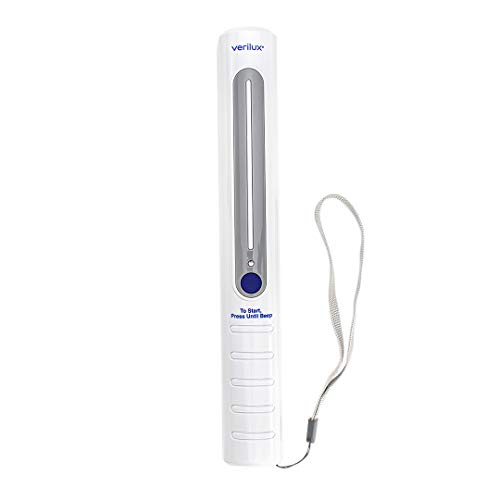
- handheld UV-C light sanitizer wand 6 inch
- microfiber cleaning cloths 24-pack for disinfecting surfaces
- disposable nitrile gloves 100 pack


Before You Start
Plan a dedicated cleaning window, ideally when ill household members have fully recovered to minimize re-exposure. Prepare a staging area to store used wipes and soiled fabrics away from living spaces. Protective gear is essential—put on nitrile gloves before handling any cleaning products or contaminated laundry. Ensure good ventilation by opening windows or running exhaust fans. The time estimate for a full post-illness cleanup ranges from 60 to 180 minutes, depending on home size and the number of rooms affected.
Step-By-Step Cleaning Plan
- Ventilate the home by opening windows and doors to exchange stale air and reduce indoor contaminants.
- Isolate sick rooms and separate laundry from other areas to prevent cross-contamination.
- Wear nitrile gloves and wash hands frequently during cleaning.
- Declutter surfaces, then wipe high-touch areas (doorknobs, light switches, remotes) with the EPA-registered disinfectant spray 32 oz.
- Vacuum floors with the HEPA-sealed vacuum cleaner, paying attention to carpeted areas and under furniture.
- Wipe other surfaces with microfiber cloths for streak-free disinfection, then launder cloths on hot settings after use.
- Sanitize fabric surfaces like bedding and curtains; consider washing at high temperature if fabric care labels permit.
- Use the handheld UV-C light sanitizer wand on non-porous surfaces where appropriate, following the manufacturer’s safety guidelines.
- Dispose of single-use cleaning materials in lined trash receptacles; wipe containers if necessary to avoid cross-contamination.
- Return rooms to normal use only after remaining surfaces are fully dry and the area has aired out.
- Establish a routine cleaning plan to maintain a healthier environment going forward.
Troubleshooting
| Symptom | Likely Cause | Fix | Prevention |
|---|---|---|---|
| Disinfectant odor lingers | Overuse or insufficient ventilation | Increase airflow; use fans during and after application | Ventilate during cleaning |
| Streaks on glass/linens | Residue from cleaner or improper wipe | Switch to microfiber cloths; use a small amount of cleaner | Follow label directions |
| Filtration odors from vacuum | Full bag or clogged filter | Replace or clean filters per product guidelines | Regular maintenance schedule |
| UV-C wand shows reduced effectiveness | Battery low or improper angle | Recharge and hold at correct distance per manual | Store properly after use |
| Fabrics feel damp after laundry | Low-temperature washing or insufficient drying | Rewash on recommended settings; ensure complete drying | Follow fabric care labels |
Common Mistakes
- Not washing hands between steps or handling dirty laundry after cleaning surfaces
- Using non-approved cleaners on certain surfaces, risking damage or reduced efficacy
- Overloading cleaning tools with product; causing residue and streaks
- Neglecting ventilation, leading to lingering chemical smells and reduced air quality
Tips For Best Results
- Coordinate a room-by-room cleanup to maintain order and avoid cross-contamination.
- Label and separate cleaning tools for sick rooms vs. common areas to minimize spread.
- Use microfiber cloths universally; they trap particles more effectively than cotton rags.
- Consider laundering fabrics at higher temperatures when permitted by care labels.
- Schedule routine maintenance for the HEPA vacuum to sustain filtration performance.
Call A Professional
Seek professional cleaning help if any of the following apply: persistent mold growth in bathrooms or basements, severe illness in the home with compromised immune systems, or if there are unsanitary conditions that require deep, industrial-grade cleaning beyond standard household methods. If chemical sensitivities exist or if there is uncertain exposure to hazardous materials, contact a licensed cleaning service for safe, compliant remediation.
FAQ
How soon after symptoms subside should I start cleaning?
Begin cleaning after the acute illness phase has ended and household members are no longer contagious, following local health guidelines.
Can I reuse disinfectants after cleaning a sick room?
Yes, but ensure the product label allows reuse and that you store it safely away from children and pets.
Is UV-C light safe for home use?
UV-C devices are effective for certain non-porous surfaces when used according to the manufacturer’s safety instructions.
Which fabrics should be laundered after flu illness?
Disinfectable fabrics like bed linens and towels should be laundered separately on hot settings if allowed by care labels.
How often should high-touch surfaces be disinfected after flu recovery?
Daily disinfection of high-touch surfaces for the first week post-recovery is commonly advised, then as needed based on household use.
Buying Guide
When choosing cleaning tools for post-flu cleanup, consider size, noise, energy efficiency, controls, and placement. For example, a compact, quiet disinfectant spray bottle is convenient for small spaces, while a larger bottle reduces refills in bigger homes. A HEPA-sealed vacuum with strong filtration is worth the investment for recurring seasonal cleaning. Look for easy-to-use controls and clear maintenance instructions, especially for devices like UV-C wands and microfiber cloths that require proper technique. Place supplies in accessible but child- and pet-safe locations to maintain ongoing readiness for future outbreaks.
Key factors to compare include surface compatibility (porous vs. non-porous), required dwell time for disinfectants, and compatibility with laundry tasks. How do you manage multiple cleaning tools without clutter? Consider a dedicated caddy or bin to keep gloves, cloths, and sprays organized. By evaluating these aspects, households can build an effective, low-stress routine that supports health and peace of mind during flu season.