Hoka sneakers are known for their comfort and distinctive cushioning, but keeping them clean requires a careful approach to protect their materials and performance. This guide outlines a practical method to refresh Hokas, including different fabric types and common staining scenarios. Readers will find a straightforward process, recommended tools, and quick fixes to extend the life of their favorite footwear.
Whether the sneakers are used for running, daily errands, or casual wear, this article provides actionable steps, safety notes, and maintenance tips to maintain color, grip, and shape without damaging the uppers or midsole.
Quick Answer
To clean Hokas effectively, start with a dry brush to remove loose dirt, then use a gentle cleaning solution and a soft brush for the uppers. For delicate materials like suede or nubuck, use a dedicated brush kit and follow up with a microfiber cloth. Finish with air drying away from direct heat. Always spot-test cleaners on a small, inconspicuous area first.
What You’ll Need
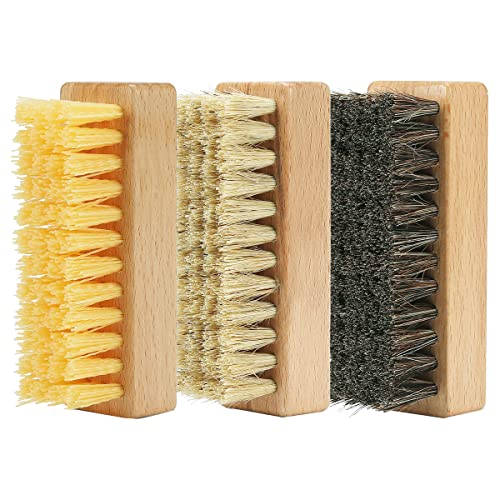
- Nylon-bristle sneaker cleaning brush
- Microfiber sneaker cleaning cloth set
- Stain remover pen for sneakers
- Suede nubuck shoe cleaning brush kit
- Shoe cleaning kit with brushes and cleaning solution


Before You Start
Prepare a clean workspace and lay down a towel to protect surfaces. Remove the insoles and laces to access all areas of the shoe. Allow Hokas to dry fully after each cleaning step to prevent damage to foam cushioning. Avoid submerging the shoes in water, especially if your model uses suede or nubuck panels, as excess moisture can warp materials or leave water spots. Time estimate: 20–40 minutes per cleaning session, depending on dirt level and material type.
Step-By-Step: How To Clean Hokas
- Remove laces and insoles; inspect for wear and odor; set aside for separate cleaning if needed.
- Dry brush the exterior with the nylon-bristle sneaker cleaning brush to dislodge loose dirt and debris.
- Prepare a light cleaning solution by mixing mild soap with warm water in a small bowl; avoid harsh chemicals that can degrade foam or fabric.
- Dip a microfiber cloth into the solution and wring out excess moisture, then wipe the uppers in gentle circular motions, focusing on stained areas.
- Use the appropriate brush for materials: a suede nubuck kit for suede or nubuck sections, and a regular brush for mesh or fabric areas.
- Spot-treat stubborn stains with a stain remover pen for sneakers, applying sparingly to avoid oversaturation.
- Gently scrub the outsole with the nylon-bristle brush to remove caked dirt; wipe away residue with a clean damp cloth.
- Rinse the cloth frequently to prevent spreading dirt; avoid soaking the shoes, especially if they contain sensitive materials.
- Air-dry the Hokas in a well-ventilated area away from direct heat sources or sunlight to prevent material shrinking or color fading.
- Re-lace and reinsert insoles after completely dry; consider a quick deodorizing spray for freshening between wears.
- Optionally, repeat any step for heavy soiling or troublesome stains, ensuring each area dries thoroughly before use.
Troubleshooting
| Symptom | Likely Cause | Fix | Prevention |
|---|---|---|---|
| Water spots on fabric | Excess moisture during cleaning | Wipe with a dry microfiber cloth and let air-dry completely | Use minimal moisture; work in small sections |
| Stains return after drying | Under-treated stain or residue | Reapply stain remover pen to stain area and re-clean | Spot-treat problem stains earlier |
| Color fading on mesh | Harsh cleaners or sun exposure | Switch to mild solution and avoid direct sunlight during drying | Test cleaner on hidden area first |
| Leather or synthetic panels stiff after cleaning | Over-wetting | Wipe evenly with damp cloth and air-dry; condition if necessary | Use minimal water |
Common Mistakes
- Using bleach or high-acidity cleaners that can damage foam and fabrics
- Soaking sneakers entirely, especially suede or nubuck sections
- Forgetting to dry insoles fully, which can cause odors or mold
- Rubbing harshly on delicate materials, leading to wear or pilling
By avoiding these missteps, cleaning Hokas becomes a safer, more effective routine that preserves cushioning, color, and overall structure.
Tips For Best Results
- Clean Hokas soon after exposure to dirt or stains to prevent setting.
- Use a dedicated suede nubuck brush kit for any suede panels to avoid texture damage.
- Test any cleaner on a hidden area before full application to ensure colorfastness.
- Air-dry in a breathable area with good ventilation; avoid dryers or radiators.
- Consider a light odor-control spray after complete drying for long-lasting freshness.
Call A Professional
Seek professional help if Hokas have significant water damage, deep stains, or if the midsole foam shows signs of compression or cracking. Stop using the shoes if there is persistent odor, visible mold, or structural failure such as detached soles.
FAQ
Can I clean Hokas with a dishwasher or washing machine?
Washing machines and dishwashers can damage foam midsoles and delicate uppers. Hand cleaning with gentle tools is recommended.
Should I use hot water to clean Hokas?
No. Hot water can weaken adhesives and deform materials; use warm water and mild soap instead.
How do I clean the laces and insoles?
Laces can be soaked in soapy water, rinsed, and air-dried. Insoles should be removed and cleaned separately, then fully dried before reinserting.
What maintenance helps keep Hokas fresh longer?
Regular brushing, prompt stain treatment, and proper drying after wear help preserve color and materials; consider rotating pairs to reduce wear.
Are there surface-specific cleaners for Hokas?
Yes. Use a suede nubuck kit for suede panels and a general shoe cleaning kit for fabric and mesh areas.
Is it safe to use microfiber cloths on all Hokas?
Yes, microfiber cloths are safe and effective for most Hokas, including mesh and synthetic uppers.
Buying Guide
When choosing products to support Hokas cleaning, consider factors such as material compatibility, cleaning power, and ease of use. A comprehensive kit should include a nylon-bristle brush, microfiber cloths, a suede nubuck brush, and a mild cleaning solution. If suede or nubuck is present on the model, ensure brushes are specifically designed for delicate materials. For stubborn stains, a stain remover pen adds targeted treatment without over-wetting the shoe. A complete kit that combines brushes and cleaning solution helps maintain consistency and reduces the risk of using incompatible cleaners. Availability of laces and insoles cleaning options can also improve overall care routines.
Buying Guide: Key Factors To Consider
- Size and type of cleaning tools: Choose a kit with brushes of varying stiffness to handle mesh, fabric, suede, and nubuck without damaging materials.
- Noise level and ease of use: Look for ergonomic handles and gentle bristles that minimize effort and noise during cleaning sessions.
- Energy efficiency (in cleaning appliances, if used): Most cleaning tasks are hand-based, but if you use electric scrubbers, prioritize energy-efficient models.
- Controls and simplicity: A kit with clearly labeled brushes and a mild cleaner reduces guesswork for safe cleaning.
- Placement and storage: Opt for compact kits that store neatly in a cleaning caddy or closet, keeping brushes dry and ready.
- Material coverage: Ensure the kit covers suede, nubuck, mesh, and synthetic uppers to match typical Hokas designs.
Thinking about your Hokas’ typical environments and materials helps determine the right kit. If you regularly wear Hokas with suede panels, prioritize a suede nubuck brush kit and compatible cleaners. For everyday fabric uppers, a general cleaning kit with microfiber cloths suffices. Would you prefer a compact, all-in-one solution or specialized tools for different materials? The right setup makes routine cleaning faster and more effective.