Ramps—whether residential wheelchair ramps, loading ramps, or portable ramps—require regular cleaning to maintain traction, safety, and longevity. This guide provides practical steps, recommended tools, and safety tips to clean different ramp surfaces without causing damage. Clear, calm routines can prevent slips and keep ramps ready for daily use.
Quick Answer
Use a soft or non-scratch scrub brush for routine cleaning, a degreaser spray for oily buildup, and a high pressure washer on a careful setting for stubborn grime. Start with dry brushing to remove loose debris, then scrub with a ramp-appropriate cleaner, rinse thoroughly, and dry completely before reuse.
What You’ll Need
- aluminum ramp cleaning brush
- wheelchair ramp degreaser spray
- high pressure washer for ramps
- slotted scraper tool for ramp cleaning
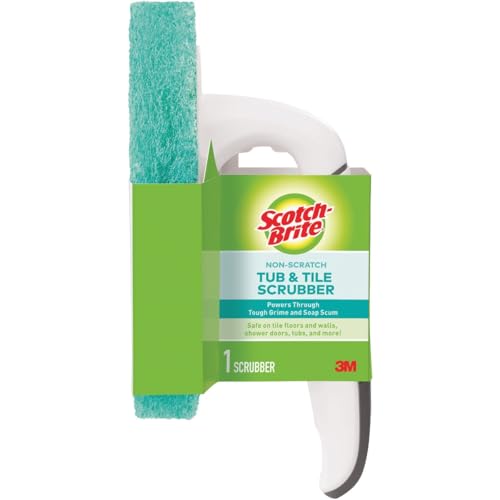
- non-scratch scrub brush for ramps


Before You Start
Assess the ramp surface for any damage, sharp edges, or loose fasteners before cleaning. Work in a shaded area if possible to prevent quick drying of cleaning solutions. Protect nearby surfaces and vegetation from cleaners and keep children and pets away during the process. Always wear gloves and eye protection when handling chemical cleaners or power washers. This task usually takes 20–45 minutes, depending on ramp length and buildup.
Step-By-Step: How To Clean Ramps
- Clear the area around the ramp and remove loose dirt with a dry brush or broom.
- Rinse the ramp with water to loosen surface grime. If using a hose, avoid spraying directly into joints if damage is suspected.
- Apply a wheelchair ramp degreaser spray or a mild pH-neutral cleaner according to the product label. Let it sit for 3–5 minutes to break down oil and grease.
- Scrub with a non-scratch scrub brush for ramps or a aluminum ramp cleaning brush for metal surfaces to lift grime without scratching.
- For stubborn spots, use a slotted scraper tool for ramp cleaning to lift stuck debris gently from seams and texture.
- Rinse thoroughly with clean water, ensuring all cleaning residues are removed. Repeat on areas with heavy buildup.
- Dry the ramp completely with a clean towel or allow air-drying, especially around joints and brackets to prevent corrosion.
- Inspect for missed spots or damage after drying, and treat quickly if needed to maintain safety.
- Re-test the ramp’s traction by walking cautiously across the surface before use.
- For seasonal or annual cleaning, repeat the process to maintain a slip-resistant surface.
- If using a high pressure washer, operate at a low to moderate setting and keep the nozzle at a safe distance to avoid gouging or loosening fasteners.
- Store cleaning tools and chemicals out of reach of children and pets after use.
Troubleshooting
| Symptom | Likely Cause | Fix | Prevention |
|---|---|---|---|
| Grease streaks persist after cleaning | Grease deeply penetrated surface | Reapply degreaser and re-scrub; consider a slightly stronger cleaner labeled for heavy grease | Clean regularly to prevent buildup |
| Scratching on metal ramp | Using abrasive tools or high-pressure spray | Switch to non-scratch brush and lower pressure; maintain distance | Use appropriate tools and avoid metal scrapers on delicate finishes |
| Water pooling after cleaning | Poor drainage or low-lying area | Improve drainage or angle the surface during cleaning | Inspect ramp layout and clear drains or gaps |
| Discoloration or dull finish | Harsh cleaners or prolonged exposure | Rinse immediately and use milder products | Follow label directions and avoid mixing cleaners |
Common Mistakes
- Using harsh solvents or bleach on aluminum ramps can corrode the metal over time.
- High-pressure washing from close distance can damage fasteners and joints.
- Not drying the ramp completely can promote rust or slippery residues.
- Ignoring joint crevices where grime hides can result in uneven traction.
Tips For Best Results
- Schedule cleaning after cool, dry days to prevent slippery surfaces while wet.
- Test a small, inconspicuous area first when using new cleaners.
- Use a slotted scraper tool for ramp cleaning for seams but apply light pressure to avoid damage.
- Maintain traction by scrubbing textured surfaces in a consistent, overlapping pattern.
- Consider routine maintenance spray after cleaning to help repel dirt and oils.
Call A Professional
Consider contacting a professional if the ramp shows signs of structural damage, corrosion, loose fasteners, or if you notice deep pitting. Stop cleaning and assess safety if the ramp wobbles, creaks, or feels unstable. For complex installations or when in doubt about material compatibility, a pro can provide guidance and safe maintenance services.
FAQ
What tools do I need to clean a ramp?
A combination of soft brushes, degreaser spray, high-pressure washer at low settings, and a slotted scraper tool covers most ramp cleaning tasks.
Can I use household cleaners on aluminum ramps?
Yes, but choose pH-neutral or mild cleaners and avoid harsh solvents that can corrode metal.
How often should ramps be cleaned?
Most ramps benefit from a monthly light clean and a deeper clean every 3–6 months, depending on usage and exposure to dirt or oils.
Is it safe to use a high-pressure washer?
Use on a low to moderate setting and maintain a safe distance to protect fasteners and joints.
What if I notice rust or corrosion?
Address corrosion promptly; sand and treat affected areas, and consider professional assessment if structural concerns arise.
Buying Guide
When selecting tools and cleaners for ramp maintenance, consider these factors to optimize performance and safety:
- Surface compatibility: Choose cleaners and brushes designed for your ramp material (aluminum, steel, or composite) to prevent damage.
- Traction needs: Prioritize non-scratch brushes and textured scrubs to maintain grip on ramp surfaces.
- Cleaning power vs. protection: Balance degreasing strength with gentleness to avoid surface wear over time.
- Tool versatility: Look for tools that can handle crevices, seams, and flat surfaces with interchangeable heads.
- Drainage and placement: Ensure the ramp can be cleaned without water pooling and that nearby areas tolerate runoff.
- Noise and safety: If using a high-pressure washer, select models with adjustable pressure and include protective gear for safe use.
- Storage: Keep cleaners, brushes, and scrapers organized and out of reach of children.
Choosing the right combination of brushes, degreasers, and cleaning tools helps maintain ramp safety and extends its service life. Ready to tackle ramp cleaning with confidence? Gather the listed tools, follow the steps, and schedule regular maintenance to keep traction and appearance in top condition.