Hoka shoes are known for their plush midsoles and lightweight uppers, which can make cleaning delicate. While some runners prefer hand cleaning, machine washing can be convenient if done with care. This guide covers safe methods to refresh Hokas without sacrificing cushioning or structure, using commonly available gear.
Quick Answer
Yes, you can machine wash Hokas, but use a gentle cycle with cold water, a mesh laundry bag, and a mild detergent. Remove laces and insoles if possible, and air-dry away from direct heat. Avoid high-speed spins and tumble drying to protect the foam and fabric.
What You’ll Need
- Mesh laundry bag for sneakers
- Sneaker cleaning brush set soft bristle
- Shoe cleaning kit for sneakers with brushes and sponge
- Electric sneaker cleaning brush cordless
- Washable sneaker washing bag for washing machine

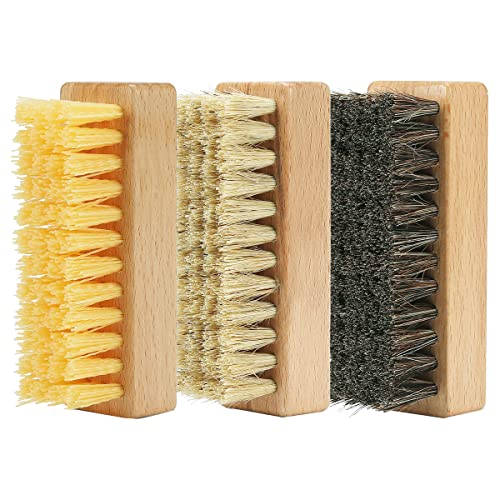

Before You Start
Prepare a clean working space and check the shoe’s care label for any caveats. Remove laces to clean separately, and consider using a “washable sneaker washing bag” to protect both the shoes and the machine. Test for colorfastness on a small area if Hokas have mixed materials. Use cold water to minimize color fading, and avoid chlorine bleach, which can damage foam. Plan for a complete dry time, typically 24 hours, away from heat sources.
Step-By-Step: How To Clean Hokas In The Washing Machine
- Remove laces and insoles. Laces can be washed separately or replaced if worn.
- Place Hokas in a mesh laundry bag or a washable sneaker washing bag to cushion the shoes inside the drum.
- Close the bag and place it inside the washing machine drum; add another soft item if you need extra balance.
- Use a mild detergent formulated for athletic shoes or delicates. Avoid bleach or harsh detergents that can degrade foam.
- Select a gentle cycle with cold water and a low tumble setting to minimize agitation.
- Run a short cycle (15–20 minutes) to loosen surface dirt without soaking the foam too long.
- After washing, remove the bag and reshape the shoes. Do not place Hokas in a dryer; air-dry away from direct sunlight or heat.
- Meanwhile, wash the laces and insoles separately if possible; air-dry completely before reinsertion.
- Once dry, reinsert insoles and relace the shoes. If desired, apply a light aroma or deodorizer designed for athletic footwear.
- Inspect the shoes for any remaining dirt; repeat only if necessary to prevent over-wetting the foam.
- Store in a cool, dry place and avoid exposing Hokas to high heat, which can deform foam and uppers.
- For frequent cleaning, consider a cordless electric sneaker cleaning brush to help with stubborn stains between washes.
Troubleshooting
| Symptom | Likely Cause | Fix | Prevention |
|---|---|---|---|
| Foam feels stiff after washing | Over-wetting or aggressive agitation | Limit wash time and use the bag; use gentle cycle | Use cold water and a soft brush for spot-cleaning between washes |
| Color fading on fabric | High-temperature water or harsh detergent | Switch to cold water; choose a mild detergent | Air-dry away from direct sun; test dye on small area |
| Unpleasant odor persists | Athletic buildup inside | Rinse thoroughly; use odor-control shoe spray after drying | Limit damp storage; air out after each wear |
Common Mistakes
- Using hot water, which can warp foam and affect structure
- Washing with heavy materials or in a crowded drum, causing friction
- Leaving insoles or laces wet for long periods, promoting odor
- Ignoring manufacturer care labels or seals on specialty materials
To minimize risks, follow gentle cycle settings, remove insoles and laces for separate cleaning, and use a dedicated sneaker washing bag for protection.
Tips For Best Results
- Pre-treat stubborn stains with a soft brush and mild cleaner before washing
- Use a dedicated laundry bag designed for sneakers to reduce impact with the drum
- Run an extra rinse cycle if your detergent leaves residue
- Air-dry in a well-ventilated area to preserve foam cushioning
- Consider an electric cordless sneaker cleaning brush for quick touch-ups after drying
Call A Professional
Seek professional help if Hokas show signs of foam deformation, sole separation, or unexpected cracking. If the shoe’s stitching has started to fail or there is significant sole detachment, a cobbler or athletic shoe repair specialist can assess repair options. Do not attempt aggressive repairs that could void warranties or worsen structural damage.
FAQ
Can I machine wash Hokas with other shoes?
It is best to wash Hokas separately or with only similar fabrics to avoid color transfer or cushioning damage.
Should I remove the insoles before washing?
Yes, remove insoles to allow thorough cleaning and faster drying; inspect for odor after washing.
Is it safe to use a dryer after washing Hokas?
No. Air-dry away from direct heat sources to preserve foam and shape.
How long does it take Hokas to dry after washing?
Typically 24 hours, depending on humidity and airflow.
Buying Guide
Choosing the right washing approach for Hokas involves several factors that influence results and shoe longevity. Consider how often you clean, the materials used in your Hokas, and your laundry setup. This guide highlights key buying factors to support safe, effective cleaning and long-lasting footwear.
Materials And Prep Essentials
Ensure you have a mesh bag, soft-bristle brush, mild detergent, and a dedicated sneaker washing setup. Using the right tools minimizes abrasion and helps protect materials during machine cleaning.
Size, Fit, And Cleaning Cycle
Most Hokas fit standard U.S. sizes, but ensure the washing bag can fully encase the shoe. Choose a cold-water, gentle cycle with a short duration to maintain ride quality and foam integrity.
Noise, Energy, And Efficiency
Gentle cycles consume modest energy and produce minimal noise in a residential setting. If possible, run during off-peak hours to reduce energy impact and avoid disturbing neighbors.
Controls And Setup
Use preset delicate or athletic cleaning settings if available. A mesh washing bag simplifies loading and unloading and helps protect delicate uppers.
Placement And Drying
Place Hokas on a flat surface with good ventilation to speed drying. Avoid sun exposure or high heat for extended periods, which can deform foam.
Compatibility And Care
Check that the materials in your Hokas are compatible with machine washing. For mixed-material uppers, it may be safer to hand wash the exterior and rinse thoroughly.
Frequently Asked Buying Considerations
When evaluating gear to support cleaning, you might compare mesh bags with different stitch counts, brush softness, and kit contents. Look for durability, ease of use, and compatibility with your washing machine settings. If unsure, start with a basic kit and expand as needed.