Cleaning a stove fan and range hood is essential for maintaining kitchen air quality and ensuring efficient performance. This guide covers practical steps, safety considerations, and product options to help American households keep their exhaust systems free of grease and dust.
Quick Answer
Disconnect power, remove filters, apply a degreaser, scrub the fan and housing with a dedicated cleaning brush kit, rinse, dry thoroughly, and reassemble. Regular maintenance prevents buildup that can affect airflow and odor control.
What You’ll Need
- range hood fan cleaning kit
- stove vent cleaning brush kit
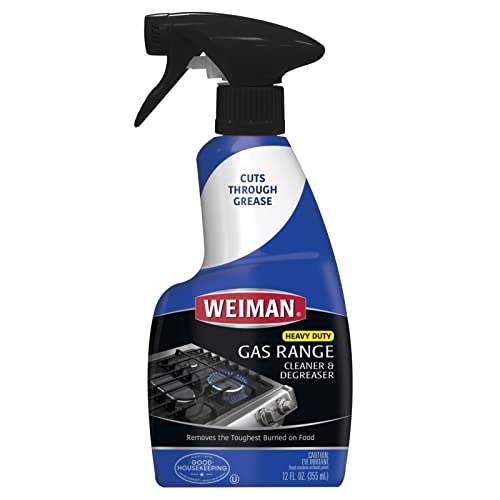
- range hood filter degreaser spray
- kitchen exhaust fan cleaner spray range hood
- stove hood blower maintenance kit


Before You Start
Before beginning, unplug the range hood or switch off the circuit breaker to ensure safety. Wear gloves and eye protection, as degreasers can irritate skin and eyes. If the hood is mounted over a gas stove, allow the area to cool completely before handling any parts. Expect a time estimate of 30–60 minutes for a standard cleaning, longer for heavy buildup. Critical cautions: never spray cleaner directly into electrical components, and avoid using metal tools that could damage surfaces.
Step-By-Step: How To Clean A Stove Fan
- Remove the hood filters according to the manufacturer’s instructions and set them aside for cleaning.
- Wipe loose grease from the interior with a dry cloth, then apply a range hood filter degreaser spray to the fan housing and accessible duct areas.
- Use a stove vent cleaning brush kit to gently scrub the fan blades, housing, and motor housing if accessible. Work in a circular pattern to avoid bending blades.
- Let the degreaser sit for 3–5 minutes, then rinse with warm water or wipe with a damp microfiber cloth. Repeat as needed for stubborn buildup.
- Clean the filters separately by applying degreaser, scrubbing with a non-scratch brush, rinsing, and allowing to dry completely before reinstalling.
- Reinstall filters and ensure all components are dry. Restore power and run the fan briefly to confirm smooth operation and airflow.
- Inspect the vent ductwork if accessible. Lightly brush any accessible surfaces to remove surface dust but avoid forcing debris into the duct.
- Record maintenance date and frequency. Consider scheduling routine cleanings every 1–3 months depending on cooking volume.
- Store cleaning supplies in a cool, dry area away from heat sources and out of reach of children.
- Dispose of used wipes and rags properly in accordance with local guidelines to prevent grease buildup elsewhere in the home.
- For stubborn, baked-on grease, repeat steps 2–4 and allow extra dwell time for the degreaser to break down deposits.
- After successful cleaning, run the range hood on high for several minutes to flush lingering cleaner and odors from the ductwork.
Troubleshooting
| Symptom | Likely Cause | Fix | Prevention |
|---|---|---|---|
| Fan is noisy after cleaning | Residual debris or misaligned blades | Inspect and reseat blades, re-clean if needed | Regular, gentle cleanings |
| Weak airflow | Grease buildup in duct or filter | Deep clean filters and accessible duct areas | Schedule routine maintenance |
| Cleaner residue on surfaces | Over-application or insufficient rinse | Rinse thoroughly with damp cloth | Follow product directions precisely |
| Electrical components exposed to cleaner | Spray contact with wiring | Avoid spraying on electrical parts | Mask electrical areas during cleaning |
Common Mistakes
- Using abrasive brushes that scratch the fan blades or housing
- Spraying cleaner directly onto motors or electrical connectors
- Neglecting to dry components completely before reassembly
- Skipping filter cleaning and relying only on exterior wipe-downs
Tips For Best Results
- Choose a potent range hood cleaner spray that’s safe for metal and plastics used in your hood.
- Pre-treat stubborn grease with a dwell time of several minutes to improve removal efficiency.
- Use a dedicated brush kit designed for stove vent cleaning to access tight spaces without damaging components.
- Schedule routine maintenance aligned with cooking frequency to maintain optimal airflow.
Call A Professional
Consider a professional if the fan makes unusual noises after cleaning, if the motor struggles to start, or if there’s visible damage to the housing or wiring. Stop work and contact a licensed technician if you notice signs of electrical arcing, burning smells, or unusual heat near the hood.
FAQ
How often should I clean my stove hood fan?
Most homes benefit from a thorough cleaning every 1–3 months, with more frequent cleanings for high-usage kitchens or gas stoves.
Can I use household cleaners on the fan?
Stick to products designed for range hoods and kitchen exhausts to avoid damage or fumes. Avoid harsh solvents on plastic components.
Is it safe to clean the duct while the hood is installed?
Only clean accessible surfaces around the fan and filters. Do not attempt to clean inside the ductwork without professional guidance.
What’s the best way to remove baked-on grime?
Apply a degreaser, allow dwell time, then scrub with a soft brush. Repeat as needed and finish with a thorough rinse.
Do I need to replace the filters after cleaning?
If the filters show signs of damage or persistent odor, replace them. Regular cleaning extends filter life but worn filters should be replaced.
Buying Guide
Choosing the right cleaning products and accessories for a stove fan and range hood involves evaluating size, noise, energy use, controls, and placement. Consider these factors to optimize performance and ease of maintenance:
- <bSize and compatibility: Ensure the range hood cleaning kit and brush set fit your hood model and filter dimensions.
- <bScope of cleaning: Look for kits that address blades, housing, and ducts for a comprehensive clean.
- <bProduct compatibility: Use a degreaser spray labeled for kitchen exhausts to avoid surface damage.
- <bNoise and energy: While cleaning, prioritize effective products that minimize residue, enabling quieter operation post-cleaning.
- <bPlacement considerations: Wall-mounted vs. island hoods may require different access tools; choose kits with flexible brushes for tight spaces.
- <bMaintenance frequency: Higher-usage kitchens benefit from a maintenance plan and a kit that supports repeated uses.
If unsure which kit best fits the system, compare options that include both a range hood fan cleaning kit and stove vent cleaning brush kit, ensuring the set covers filters and blower components. Do not overlook safety features and compatible spray formulas specific to your hood’s materials. Would a combined kit offer the most convenience for your setup?