Heat pumps rely on clean air pathways to operate efficiently. Over time, filters collect dust, pollen, and debris that can reduce airflow and performance. This guide provides practical steps for American homeowners to clean heat pump filters safely and effectively, using common HVAC cleaning tools.
Quick Answer
Quick method: Turn off the system, remove the filter, gently shake or brush off loose dirt, rinse with lukewarm water, let dry completely, and reinstall. For stubborn buildup, use a cleaning brush and a soft vacuum to lift debris before rinsing.
What You’ll Need
- Heat pump air filter cleaning brush
- Reusable HVAC air filter cleaning kit
- Handheld vacuum crevice tool for HVAC filters
- Air filter cleaning brush and roller set
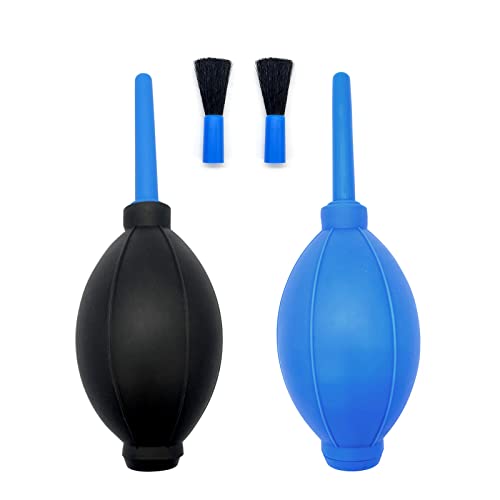
- Dust blower for HVAC filters


Before You Start
Before cleaning, turn off the heat pump at the breaker to prevent startup injuries or electrical shocks. Remove the filter according to the unit’s manual and inspect for damage or mold. Never force a filter through a tight opening—do not reinstall a damaged filter. Prepare a clean, dry workspace and allow the filter to dry completely before reinstallation, typically 24 hours depending on humidity.
Step-By-Step: How To Clean Heat Pump Filters
- Power down and locate the filter: Shut off the heat pump and find the filter access panel, usually behind the return air grille.
- Remove the filter carefully: Gently slide the filter out to avoid dislodging dust toward the coil or fan.
- Inspect the filter: Check for tears or excessive wear. If damaged, replace rather than clean.
- Pre-brush loose debris: Use the heat pump air filter cleaning brush to loosen dust along the frame and pleats. A handheld vacuum crevice tool can help reach tight corners.
- Shake and brush: Gently shake to remove loose particles, then brush along the pleats with a soft cleaning brush or roller set to lift dirt without bending the filter.
- Rinse if washable: If the filter is washable, rinse with lukewarm water from the clean side to the dirty side. Avoid high-pressure streams that can damage the filter media.
- Dry thoroughly: Shake off excess water and let air dry completely in a clean area. Do not use heat to speed drying, which can warp or degrade the filter.
- Reassemble and test: Once dry, reinstall the filter and restore power. Monitor for smooth airflow and listen for unusual noises.
- Schedule routine checks: Clean filters every 1–3 months during peak seasons, more often in dusty or high-humidity environments.
- Consider a filter kit for ongoing care: A reusable HVAC air filter cleaning kit can streamline maintenance and extend filter life.
- Know when to replace: If cleaning doesn’t restore airflow or the filter shows wear, replace it to protect the heat pump coil and efficiency.
Troubleshooting
| Symptom | Likely Cause | Fix | Prevention |
|---|---|---|---|
| Weak airflow after cleaning | Filter not dried completely | Re-clean and ensure full drying time | Allow ample air drying time; use a dedicated drying area |
| Unusual odor | Mold growth on filter or housing | Thorough cleaning and inspect for mold; replace if present | Keep humidity low; clean area and filter housing |
| Filter frame bent | Rough handling during removal | Replace the filter; handle gently | Remove and reinstall with care |
| Coil frost or ice build-up | Restricted airflow from dirty filter | Clean or replace filter; ensure proper airflow | Regular maintenance schedule |
Common Mistakes
- Using hot water or heat to dry the filter—causes warping
- Wetting non-washable filters—reduces filtration efficiency
- Forcing a filter back into place when it doesn’t fit
- Neglecting to remove dust from surrounding housing during cleaning
Sticking to gentle cleaning methods helps prolong filter life and maintain heat pump efficiency.
Tips For Best Results
- Match the cleaning method to filter type: washable filters can be rinsed; disposable filters should be replaced.
- Use a dedicated brush and vacuum attachments designed for HVAC filters to avoid damaging pleats.
- Keep a routine calendar for filter checks, especially in homes with pets or dust-prone environments.
- Store spare filters and cleaning tools in the same area as the heat pump for quick access.
- Consider a reusable cleaning kit to simplify maintenance and reduce waste.
Call A Professional
Call a professional if any of the following occur: persistent odors after cleaning, visible mold growth, water leakage near the unit, or repeated filter damage during handling. Seek expert help for electrical issues, refrigerant concerns, or gas-powered components. If you’re unsure about the filter type or cleaning method, a trained HVAC technician can assess compatibility and safety.
FAQ
How often should I clean heat pump filters?
Most filters benefit from cleaning every 1–3 months, with higher frequency in dusty or humid areas.
Can all filters be washed?
No. Only washable/reusable filters should be rinsed and dried; disposable filters must be replaced.
What tools help when cleaning filters?
A heat pump air filter cleaning brush, reusable cleaning kit, and a handheld vacuum crevice tool make maintenance easier.
What if the filter is damaged?
Replace the filter to protect the heat pump’s efficiency and prevent damage to the coil.
Is it okay to use a hairdryer to dry filters?
Do not use heat sources like a hairdryer; air-dry in a clean area away from dust.
Should I clean the coil along with the filter?
Yes, if accessible and safe. A clean coil improves airflow and efficiency.
Buying Guide
Choosing the right filters and cleaning tools involves several factors. Consider filter size and compatibility with the heat pump model, the filter’s material and whether it is washable, and the expected maintenance frequency. Noise level and energy efficiency are affected less directly by cleaning but play a role in overall system performance. Look for a cleaning kit that includes a variety of brushes and a compact, durable vacuum attachment set. Placement matters: ensure the workspace is well-ventilated and coordinates with your laundry or utility area for convenient access. Finally, compare options by durability, ease of use, and availability of replacement parts or filters to match long-term maintenance needs.