Cleaning hair dye from shower surfaces can be tricky, but with the right products and a steady approach, you can restore a bright, stain-free stall or tub. This guide covers practical methods and safe cleaners commonly used in American households to remove dye without damaging surfaces.
The goal is to lift pigment from tile, grout, and shower doors while protecting finishes. The steps below outline a clear path from prep to final wipe down, helping you tackle fresh and set-in stains effectively.
Quick Answer
Act quickly on fresh dye stains, rinse frequently, and start with non-abrasive cleaners. For tougher marks, try a dye stain remover spray, a magic eraser, or a non-scratch scrub brush with a bleach-free cleaner. Avoid harsh bleach on colored grout or certain stone surfaces.
What You’ll Need
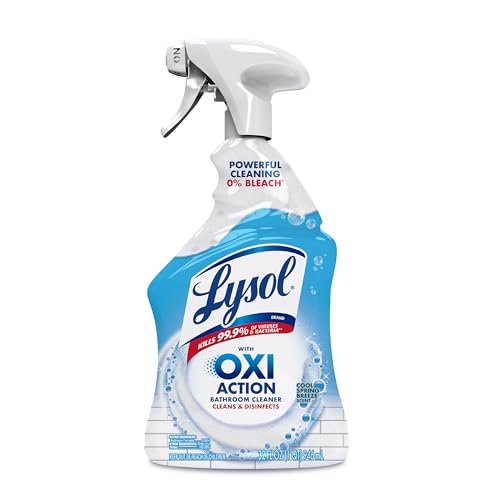
- hair dye stain remover spray for shower
- bathroom tile cleaner spray hair dye removal
- magic eraser for hair dye stains in shower
- non-scratch scrub brush for shower dye stains
- bleach-free shower cleaner for dye stains

Before You Start
Check surface materials before cleaning. Test cleaners on a small, hidden area to avoid discoloration. Wear gloves and ensure good ventilation. Time estimates vary: light staining may take 10–20 minutes, while set stains could require 30–60 minutes of repeated treatment.
Caution: Do not mix cleaners, especially ammonia with bleach, as dangerous fumes can form. For natural stone or marble surfaces, avoid acidic cleaners and opt for pH neutral options.
Step-By-Step: How To Clean Hair Dye Off A Shower
- Identify all stained areas on tiles, grout, shower doors, and the tub lip.
- Rinse the shower surface with warm water to loosen loose pigment.
- Apply a hair dye stain remover spray to affected areas, following the product label directions.
- Let the cleaner sit for the recommended dwell time, then scrub gently with a non-scratch scrub brush.
- For stubborn spots, use a magic eraser lightly dampened and work the area in small circular motions.
- Rinse thoroughly with warm water and wipe dry with a clean cloth to prevent rings or residue.
- If stains persist, repeat the application or switch to a bleach-free shower cleaner and reapply.
- Check grout lines and re-clean as needed to maintain uniform color and prevent staining from moisture buildup.
- Finish with a clean rinse and a light dry to minimize water spots and new dye adhesion.
- Inspect regularly after hair coloring to catch new stains early and repeat as necessary.
Troubleshooting
| Symptom | Likely Cause | Fix | Prevention |
|---|---|---|---|
| Stain remains after first pass | Set dye pigment on grout or textured tile | Reapply stain remover and scrub with brush | Clean promptly after dye spills |
| Fading color on grout | Harsh cleaner or abrasive scrubbing | Switch to a bleach-free cleaner and gentler pad | Test cleaner in corner first |
| Surface dulling or haze | Residual cleaner or mineral buildup | Rinse thoroughly and buff with a dry cloth | Rinse after each cleaning session |
| Stains return after drying | Moisture trapped in grout lines | Seal grout after cleaning if appropriate for the surface | Keep shower well ventilated to dry quickly |
Common Mistakes
- Using abrasive pads on glossy tiles or glass doors
- Mixing cleaners that release hazardous fumes
- Rushing the dwell time without allowing dye removers to work
- Over-wetting grout, which can spread dye to adjacent areas
Taking time to test products and following label directions helps prevent harm to surfaces while achieving clean results.
Tips For Best Results
- Act fast on fresh dye to minimize penetration into grout and porous tile.
- Use a dedicated dye stain remover spray for reliable results on bathrooms.
- Combine gentle scrubbing with occasional magic eraser for stubborn marks.
- Always rinse thoroughly and dry the surface to prevent new staining from moisture buildup.
- Consider applying a grout-safe sealer after cleaning to reduce future staining.
Call A Professional
Contact a professional if: dye stains are deeply set in porous stone, grout is extensively damaged, or if there is lingering chemical sensitivity from cleaners. Seek help for large bathroom remodels or if you notice permanent discoloration on tile or fixtures.
FAQ
Can hair dye stains be removed from porcelain tiles?
Yes, porcelain tiles typically respond well to stain removers and non-abrasive scrubbing, but test first in a hidden area.
Is bleach safe for dye stains on grout?
Bleach-free cleaners are usually safer for colored grout; bleach can discolor some grout colors and damage certain finishes.
How long should cleaner sit before scrubbing?
Follow product directions; many cleaners recommend a dwell time of 5–15 minutes for best results.
What if dye stains return after cleaning?
Reapply cleaner and scrub again, ensuring the surface is thoroughly rinsed and dried between attempts.
Are magic erasers safe for all shower surfaces?
They work well on hard, non-porous surfaces but may dull softer finishes; test in a small area first.
Should I seal grout after cleaning?
Yes, sealing can help reduce future staining and make maintenance easier on porous grout.
Buying Guide
Choosing the right supplies for removing hair dye from a shower involves several factors. Size and layout of the shower determine the amount of cleaner and scrubbing effort needed. Noise level is a consideration for shared bathrooms; select low-noise tools and consider battery-powered brushes with adjustable speeds. Energy efficiency matters less for cleaning tasks, but choosing ready-to-use sprays minimizes water use and time. Controls should be simple: spray bottles with clear labels and easy-to-use scrub brushes. Placement of cleaners within reach ensures effective workflow during cleaning sessions. When comparing products, consider stain removal strength, surface compatibility, and ease of use across tile, grout, glass, and acrylic surfaces. For best results, pair a dye stain remover spray with a non-scratch scrub brush and a bleach-free cleaner to cover most scenarios.