Silicone is a versatile material used in many kitchen tools, bakeware, and seals. When stains appear, especially on utensils and molds, a targeted cleaning approach helps restore shine without damaging the silicone. This guide provides practical steps, using common household products and the specified silicone-focused tools, to remove stains and maintain pliability.
Quick Answer
For most silicone stains, start with warm water, dish soap, and a soft brush. For tougher marks, apply a baking soda paste and scrub with a silicone surface scrubber. Rinse thoroughly and air dry. If stains persist, repeat or use a silicone sealant stain remover tool as a last resort, following product directions.
What You’ll Need
Gather these tools and materials to tackle silicone staining efficiently. The list includes the recommended silicone-specific cleaning tools to ensure safe and effective results.
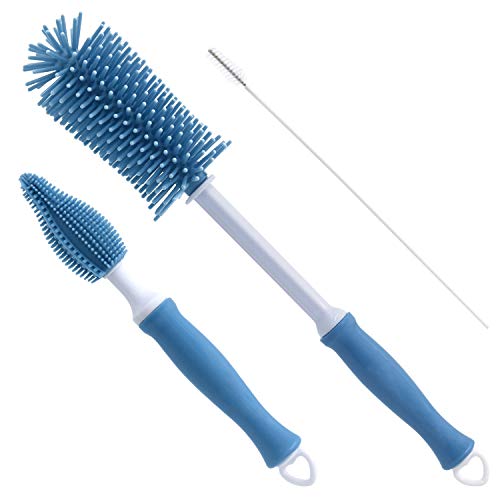
- Silicone kitchen utensil scrub brush
- Silicone mold cleaning brush
- Silicone surface scrubber for stains
- Silicone sealant stain remover tool
- Baking soda paste silicone cleaner


Before You Start
Before cleaning, inspect the silicone for deep scratches or sunken areas where stains may hide. Avoid using abrasive steel wool or harsh solvents, which can degrade silicone over time. Work over a sink or basin to manage splashes, and keep cleaning solutions away from heat sources. Allow extra time for stubborn stains by planning a two-step approach: first gentle cleaning, then targeted treatment for tough marks.
Estimated time: 15–30 minutes for standard stains; 30–60 minutes for heavy staining with repeat treatments.
Step-By-Step: How To Clean Stained Silicone
- Rinse the stained silicone under warm running water to loosen surface grime.
- Fill a basin with warm water and add a few drops of dish soap; submerge the item and let it soak for 5–10 minutes.
- Use the silicone kitchen utensil scrub brush to scrub gently in a circular motion, focusing on the stained areas.
- For stubborn stains, apply a small amount of baking soda paste directly to the stain and scrub with the silicone surface scrubber for extra abrasion.
- Rinse thoroughly to remove all cleaning residues; inspect under good lighting for remaining staining.
- If stains remain, apply a silicone sealant stain remover tool per its directions and allow it to sit as recommended before scrubbing again.
- Rinse again completely, ensuring no abrasive residue remains, then dry with a clean towel or air dry on a rack.
- Repeat the process on particularly stubborn items, or alternate between the baking soda method and a dedicated cleaner for silicone over several cycles.
- For items with odor or lingering color, consider a periodic treatment using the baking soda paste followed by a thorough rinse and air dry to prevent residue buildup.
- Store cleaned silicone away from direct sunlight and high heat to preserve flexibility and color.
- Schedule routine cleaning after use to prevent deep-set stains from forming on silicone molds and utensils.
Troubleshooting
| Symptom | Likely Cause | Fix | Prevention |
|---|---|---|---|
| Stains persist after cleaning | Deep-set color from prolonged use | Repeat with baking soda paste and silicone brush; try silicone sealant stain remover tool | Clean promptly after use; avoid long exposure to staining foods |
| Faint scent despite cleaning | Residual odor trapped in porous surface | Soak in a mild vinegar-water solution, rinse well | Rinse and air dry completely between uses |
| Surface feels rough after scrub | Abrasive cleaning left micro-scratches | Switch to softer brushes and gentler scrubbing; avoid metal tools | Use non-abrasive cleaning methods for routine maintenance |
| Color transfer from food remains | Stain from highly pigmented foods | Use baking soda paste and a dedicated brush, then sealant remover if needed | Pre-wash with warm soap and water after heavy pigment foods |
Common Mistakes
- Using abrasive pads on delicate silicone surfaces
- Overreliance on harsh chemical solvents
- Neglecting thorough rinsing, leaving residue behind
- Drying in direct sunlight, which can degrade color over time
Sticking to recommended brushes and gentle cleaners minimizes wear and preserves flexibility and color in silicone items.
Tips For Best Results
- Regular cleaning after use prevents stubborn buildup; a quick rinse with warm soapy water is often enough.
- Test cleaners on a small inconspicuous area first to ensure color fastness and material compatibility.
- For odor removal, a soak in a mild solution of water and white vinegar can help, followed by a thorough rinse.
- Keep multiple silicone-specific tools on hand to match the task—different brushes can reach tight corners and grooves.
- Air drying on a rack avoids trapping moisture and reduces the risk of mold or mildew in hidden areas.
Call A Professional
Choose a professional if:
- There is persistent staining that affects silicone’s integrity or colorfastness after multiple cleanings.
- Silicone items show signs of cracking, tearing, or flexible failure near joints or seams.
- Custom or industrial-grade silicone components require specialized solvents or tools beyond consumer-grade products.
FAQ
Can baking soda damage silicone?
No, when used gently as a paste with a soft brush, baking soda is safe for silicone and helps lift stains.
Is heat safe on silicone during cleaning?
Warm water is usually sufficient; avoid excessive heat that can warp certain silicone items.
Are there any silicone cleaners I should avoid?
Avoid harsh solvents and abrasive cleaners that could degrade silicone over time.
How often should I deep clean silicone molds?
Deep clean every few uses or when stains are noticeable; routine quick rinses help prevent heavy buildup.
Buying Guide
When selecting cleaning tools and products for stained silicone, consider size, material compatibility, and ease of use. This guide highlights factors that influence performance across common scenarios.
- Size and reach: Choose brushes that fit into narrow mold cavities and long utensils without bending or tearing.
- Material quality: Look for soft, non-abrasive bristles designed for silicone to prevent micro-scratches.
- Cleaning efficacy: Tools with textured surfaces or bristles tuned for stubborn stains improve outcomes with less effort.
- Non-toxic options: Prioritize food-grade cleaning tools and cleaners that are safe after rinsing.
- Ease of maintenance: Reusable tools that are dishwasher-safe simplify ongoing care and hygiene.
For moldable silicone items like bakeware and utensils, selecting the right tool can mean the difference between a spotless surface and persistent staining. Consider pairing a silicone surface scrubber with the baking soda paste for tougher marks, and reserve a dedicated sealant stain remover tool for stubborn cases. If in doubt, test a small area first to confirm compatibility and colorfastness.