Cleaning gutter downspouts is essential for preventing water damage, foundation issues, and landscape erosion. Regular maintenance keeps your home’s drainage system functioning and reduces the risk of leaks or clogs. This guide provides practical steps and tool recommendations to make the process safe and effective for American homes.
With the right approach, downspouts can be cleared from the top, the bottom, or a combination of both. The following sections break down the task, emphasize safety, and offer quick tips to get your gutters flowing smoothly again.
Quick Answer
Quick method: Start by inspecting the downspout for visible blockages, then use a specialized tool to push or pull debris from the interior. Rinse with water to confirm proper flow. If necessary, disassemble sections or use a drain snake for stubborn clogs.
What You’ll Need
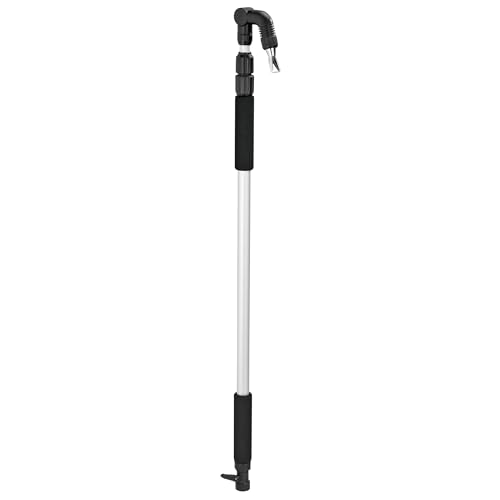
- Extendable gutter downspout cleaning wand
- Gutter scoop downspout cleaning tool
- Drain snake for clogged downspouts gutter system
- Telescoping gutter cleaning wand with spray nozzle
- Downspout auger tool for clog removal


Before You Start
Plan work on a dry day when roof surfaces are not slippery. Wear safety gloves and eye protection to guard against sharp debris. Move vehicles away from the downspout area and use a sturdy ladder on a flat surface with a helper if possible. Time estimate: 30–90 minutes depending on clog severity. Never reach into a live downspout with a tool and avoid forcing tools if the blockage resists.
Step-By-Step: How To Clean Gutter Downspouts
- Clear visible debris from the gutter above the downspout to prevent immediate re-clogging.
- Inspect the downspout outlet to confirm whether water flows freely when rinsed with a hose.
- Attach the extendable gutter downspout cleaning wand to a garden hose for initial flushing.
- Insert the wand into the top of the downspout and push gently to dislodge internal buildup.
- When resistance is met, switch to a drain snake for stubborn clogs and rotate to break apart debris.
- Use a telescoping gutter cleaning wand with spray nozzle to reach deeper sections and flush out remaining material.
- Rinse the entire downspout by running water through from top to bottom to ensure clear flow.
- Re-check all downspout outlets and corners; reassemble any detached components if needed and test with a full water flush.
Troubleshooting
| Symptom | Likely Cause | Fix | Prevention |
|---|---|---|---|
| Water backs up at gutter | Blockage inside downspout | Use drain snake or auger tool to clear, then rinse | Regular cleaning to prevent buildup |
| Water still drains slowly | Partial obstruction or crushed section | Inspect for crushed elbows and straighten or replace | Check after heavy rain and clear early |
| Downspout disconnected | Loose hangers or damaged joint | Re-secure with brackets; replace damaged pieces | Annual bracket checks |
| Clog recurs quickly | Leaves or pine needles accumulating at roof line | Install debris guards or extend gutters to reduce debris | Seasonal cleaning schedule |
Common Mistakes
- Using excessive force on fragile plastic downspouts
- Ignoring safety precautions when using ladders near roofs
- Skipping the rinse step, leaving hidden residue behind
- Forgetting to check the bottom outlet after clearing the interior
Avoid these missteps by planning, wearing protection, and verifying flow with a full water test after each stage.
Tips For Best Results
- Schedule cleanings in spring and fall to manage leaf buildup
- Combine tools for maximum reach; a telescoping wand often pairs well with a spray nozzle
- Keep a small repair kit handy for quick fixes on brackets and joints
- Label sections of downspouts if you have a multi-story system to simplify reassembly
Call A Professional
Seek professional help if there is persistent clog that won’t budge, if downspouts are heavily corroded, or if the roofline presents a fall hazard. Stop work and contact a pro if a ladder cannot be safely positioned, if water damage is already visible on walls or foundation, or if sewer-like odors indicate deeper system issues.
FAQ
What is the easiest tool for clearing a downspout?
The extendable gutter downspout cleaning wand paired with a garden hose is often the simplest first choice for most clogs.
Can I clear a downspout without removing it from the wall?
Yes, many clogs can be removed with a sewer snake or auger inserted from the top; remove only if accessible and safe.
How often should I clean my downspouts?
Generally twice a year, plus after major storms or heavy leaf fall.
Is it okay to use a pressure washer on downspouts?
Use low pressure and keep the nozzle at a safe distance to avoid damage; rinse from top to bottom to prevent forcing debris into joints.
What signs indicate a need for professional service?
Repeated clogs, persistent leaks, sagging gutters, or signs of water damage indicate a professional inspection is advisable.
Buying Guide
Choosing the right tools for cleaning gutter downspouts depends on accessibility, climate, and home layout. Key buying factors include size and extension reach, noise level, energy efficiency of powered tools, ease of use, and placement flexibility. Consider whether you prefer manual wands, extendable telescoping options, or combined kits with spray nozzles. Look for tools with rust-resistant materials and compatible hose connections. For multi-story homes, prioritizing longer reach and sturdy build helps minimize ladder use and improve safety. Compare tool sets by how well they clear both top and bottom sections, and by ease of cleaning after use.