Maintaining granite gravestones helps preserve historical memory and keeps grave markers legible for generations. This guide offers practical, non-abrasive methods suited for American settings, using common tools to remove dirt, biological growth, and weathering without damaging the stone.
Readers will find a straightforward, step-by-step approach, along with safety notes, troubleshooting tips, and a concise buying guide to choose appropriate cleaning tools for granite gravestones.
Quick Answer
Use a soft-bristled brush and a mild stone-safe cleaner, scrub gently in circular motions, rinse thoroughly, and dry with a soft cloth. Avoid high-pressure water, harsh chemicals, or metal tools that could scratch the granite.
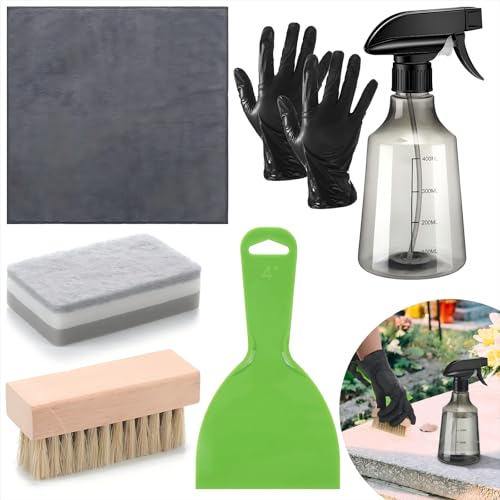
For stubborn grime, a stone cleaning kit for gravestones brush and scraper with a masonry scraper tool for granite gravestones can help, and a telescoping extension pole for headstone cleaning allows safe, extended reach.
What You’ll Need
- Granite headstone cleaning brush with stiff nylon bristles
- Long-handled headstone scrub brush masonry
- Stone cleaning kit for gravestones brush and scraper
- Telescoping extension pole for headstone cleaning
- Masonry scraper tool for granite gravestones


Before You Start
Assess the stone for cracks or loose inscriptions. Do not scrub if there is active damage or loosened material. Work on a calm day to avoid slipping on damp surfaces. Wear gloves and eye protection to guard against debris.
Prepare a small test area to ensure the cleaner does not discolor or etch the stone. Use a mild, stone-safe cleaner and avoid acidic solutions or bleach on granite. Time management matters: dedicating 20–40 minutes per session prevents fatigue and mistakes.
Step-By-Step: How To Clean Granite Gravestones
- Position yourself so you can reach the entire marker without straining. Use a telescoping extension pole for headstone cleaning if needed.
- Wet the surface with clean water to loosen dirt and reduce friction during brushing.
- Dip the granite headstone cleaning brush in water, apply a small amount of stone-safe cleaner, and begin brushing in gentle circular motions.
- Rinse the area with clean water frequently to remove loosened debris and cleaner residue.
- For stubborn stains, use the masonry scraper tool for granite gravestones carefully at a low angle to lift the grime without scratching.
- Continue brushing and rinsing in sections until the marker looks evenly clean. Avoid scrubbing over inscriptions or etched details.
- Dry the surface with a soft cloth or absorbent towel to prevent water pooling and mineral deposits.
- Inspect for remaining patches and repeat the process as needed, focusing on particularly dirty areas.
- Clean surrounding ground area to prevent dirt from re-depositing on the stone during the process.
- Document any concerns or damage and avoid using abrasive or metallic tools for future maintenance.
- Store brushes and tools properly, cleaning and drying them after use to extend their life.
- Plan periodic maintenance, such as annual or biennial cleaning, depending on weather conditions and cemetery rules.
Troubleshooting
| Symptom | Likely Cause | Fix | Prevention |
|---|---|---|---|
| Dull, scratched appearance | Abrasive tool use | Switch to softer brush and use milder cleaner | Test area first; avoid metal scrapers |
| Persistent staining | Biological growth or mineral deposits | Use stone-safe cleaner and longer brushing sessions | Rinse thoroughly; address moisture exposure |
| Inscriptions becoming faint | Excessive scrubbing near letters | Limit pressure near engraving; focus on surrounding stones | Use proper brushes and gentle technique |
| Water beads or streaks | Soap residues | Rinse thoroughly; wipe dry | Use minimal cleaner and sufficient water |
Common Mistakes
- Using acidic cleaners or bleach on granite
- Employing metal tools that scratch the stone
- Over-wetting areas, which promotes mineral deposits
- Scrubbing inscriptions aggressively, risking damage
Avoid these missteps by sticking to stone-safe products and gentle brushwork, especially on historic markers.
Tips For Best Results
- Test any cleaner on a small, inconspicuous area first.
- Use a telescoping extension pole to reach high or distant areas without kneeling or leaning.
- Clean in cool, dry conditions to prevent rapid drying that might leave streaks.
- Rinse thoroughly and dry the surface to minimize water spots and mineral buildup.
- Consult cemetery guidelines before cleaning, as some sites restrict liquids or tools.
Call A Professional
If the marker shows significant cracking, flaking paint, or if inscriptions are fading, seek a professional conservator or monument maintenance specialist. Stop cleaning and contact a pro if you notice:
- Loose or detached inscriptions
- Cracks widening during cleaning
- Biological growth that reappears quickly after cleaning
Experts can assess structural stability and preservation needs while recommending appropriate restoration steps.
FAQ
Can I use household cleaners on granite gravestones?
Only if labeled as safe for stone surfaces. Prefer stone-specific cleaners to avoid damage.
What tools are safest for granite gravestones?
A soft or medium-bristle brush, a masonry scraper tool used gently, and a telescoping pole for reach are typically safe when used correctly.
How often should granite markers be cleaned?
General maintenance is typically yearly or every few years, depending on weather, pollution, and cemetery conditions.
Are there any preparation steps before cleaning?
Yes, inspect for damage, test a small area, and gather safety gear like gloves and eye protection.
Buying Guide
When selecting cleaning tools for granite gravestones, consider size, weight, and ergonomics to reduce strain. Choose a granite headstone cleaning brush stiff nylon bristles for effective dirt removal without scratching. A long-handled headstone scrub brush masonry helps reach higher or distant areas, while a stone cleaning kit for gravestones brush and scraper provides versatile options for stubborn grime. A telescoping extension pole for headstone cleaning offers extended reach, and a masonry scraper tool for granite gravestones assists with hard-to-remove deposits. Review cemetery guidelines on water use and tools before starting.
Key factors include:
- Size and reach: For large markers, telescoping poles improve ergonomics.
- Noise and water use: Consider low-noise brushes and controlled rinsing to minimize disturbance and mineral buildup.
- Energy and effort: Lightweight, balanced tools reduce fatigue during longer cleanings.
- Controls and durability: Durable brushes with replaceable heads help maintain performance over time.
- Placement considerations: Ground stability and access paths affect how you clean various sides of a monument.