Onion odors can linger on cutting boards, impacting the flavor of subsequent foods and even causing minor lingering scents around the kitchen. This guide provides practical, proven methods to remove onion smell from different cutting board materials, with a focus on common household tools and readily available products in the U.S. market.
Quick Answer
Quick methods include a baking soda paste, a deodorizing spray, and a lemon oil cleaner. For stubborn odors, combine deodorizing products with regular cleaning and proper drying to prevent odor buildup.
What You’ll Need
- Stainless steel cutting board deodorizer
- Cutting board odor remover spray
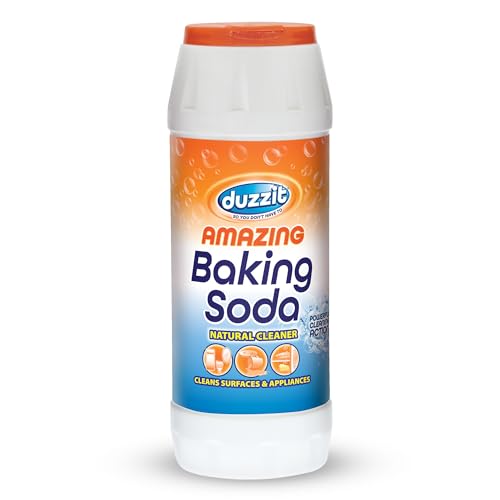
- Baking soda paste for cutting board cleaning
- Silicone dish brush for cutting boards
- Lemon essential oil cutting board cleaner spray


Before You Start
Safety notes: always rinse the board after applying any cleaner and ensure it is completely dry before storage. For wooden boards, avoid soaking; instead, use minimal water and dry promptly to prevent warping or crack formation. Time estimate: 20–40 minutes for a thorough deodorizing session, plus drying time.
Critical cautions: never mix cleaners with unknown combinations; some chemical reactions can release strong fumes. If you notice staining, surface damage, or persistent odor after multiple cleanings, consider alternate methods or professional guidance.
Step-By-Step: How To Get Rid Of Onion Odor From A Cutting Board
- Rinse the board with warm water to loosen surface particles and odor molecules.
- Apply a baking soda paste (baking soda mixed with a little water) to the board’s surface and scrub with a silicone dish brush until the paste turns gray as odors lift.
- Rinse again and pat dry with a clean towel to remove any residue.
- Lightly mist the board with a lemon essential oil cutting board cleaner spray or a dedicated citrus cleaner to neutralize odors and add fresh scent.
- For persistent odor, spritz with cutting board odor remover spray and let sit for 5–10 minutes before rinsing.
- Place the board in a dry area with good airflow to finish drying completely; avoid stacking while damp to prevent odor transfer.
- If the board is plastic or non-porous, repeat the spray treatment weekly during heavy onion usage to maintain odor control.
- For metal or stainless components, use the stainless steel cutting board deodorizer as needed to freshen and disinfect the surface.
- Optionally wipe with a clean cloth dipped in a small amount of white vinegar, then rinse; this helps break down lingering fatty residues that can hold odors.
- Store the board in a dry, well-ventilated area away from strong-smelling foods to prevent reabsorption of odors.
- Periodically reseal wooden boards with mineral oil or a food-safe conditioner to maintain the surface and reduce odor absorption.
Troubleshooting
| Symptom | Likely Cause | Fix | Prevention |
|---|---|---|---|
| Persistent onion smell after cleaning | Odor molecules trapped in pores | Use baking soda paste, then spray with odor remover; ensure complete drying | Clean promptly after cutting onions; dry thoroughly |
| Streaks or discoloration | Food pigments or mineral residues | Rinse with warm water, reapply paste, and rinse again | Warm water rinse after use; avoid soaking |
| Board warping (wood) | Excess moisture | Air-dry completely; store flat | Wipe dry immediately after washing |
Common Mistakes
- Overwashing a wooden board or leaving it soaked in water
- Using harsh chemicals that can degrade surface integrity
- Ignoring the drying step, which allows odors to linger
- Applying lemon essential oil spray too frequently on wood boards without drying
Tips For Best Results
- Use the baking soda paste on a dry board, then rinse thoroughly before applying any spray products.
- Alternate deodorizing methods to prevent odors from returning, especially after cutting strong-smelling produce.
- Adopt a routine: clean after each use, deodorize weekly if onions are frequently used, and store upright to promote air circulation.
- Label boards used for strong odors to avoid cross-contamination with other foods.
Call A Professional
Call a professional if: the board shows deep cracking, persistent mold growth, or if odor remains after multiple cleaning cycles. For wooden boards, professional refinishing may be required to restore surface integrity and odor resistance.
FAQ
Does baking soda really remove onion smell from cutting boards?
Yes, baking soda neutralizes odors by reacting with molecules trapped in the board’s surface when scrubbed with a paste.
Is it safe to use lemon essential oil spray on wooden boards?
Light use is generally safe, but avoid saturating wood. Wipe dry after treatment to prevent moisture-related damage.
How often should I deodorize a cutting board?
Deodorizing weekly is helpful for heavy onion use; otherwise, treat as needed after odor recurs.
Can I use vinegar on wooden boards?
White vinegar can help odor but may affect the wood finish over time; use sparingly and ensure thorough drying.
Are there odor-removing products safe for food-contact surfaces?
Choose products labeled for food-contact surfaces and follow label directions for safe use.
Buying Guide
When choosing products to combat cutting board odors, consider size, material compatibility, and cleaning power. A stainless steel cutting board deodorizer is ideal for non-porous surfaces, while a dedicated cutting board odor remover spray provides quick, on-the-go deodorizing. For porous boards, a baking soda paste for cutting board cleaning offers deep odor absorption, complemented by a lemon essential oil cutting board cleaner spray for a fresh scent. A silicone dish brush for cutting boards helps scrub without scratching. Think about the board material (plastic, bamboo, or wood), frequency of onion use, and whether you prefer rinsing or spray-on solutions. Sound, practical options include a combination of sprays for daily use and a paste for tougher odors. Always verify that cleaners are food-safe and compatible with your board material.