Granite steps add elegance and durability to entryways and indoor stairs alike. Proper cleaning preserves their natural shine and prevents staining or etching. This guide offers practical steps, suitable products, and safety tips tailored for American homes.
Quick Answer
Use a pH-neutral granite cleaner spray for stairs, apply with non-abrasive microfiber buffing cloths, scrub gently with a nylon bristle stone cleaning brush, and reseal periodically for long-term protection. Avoid acidic cleaners and abrasive tools that can dull the stone’s surface.
What You’ll Need
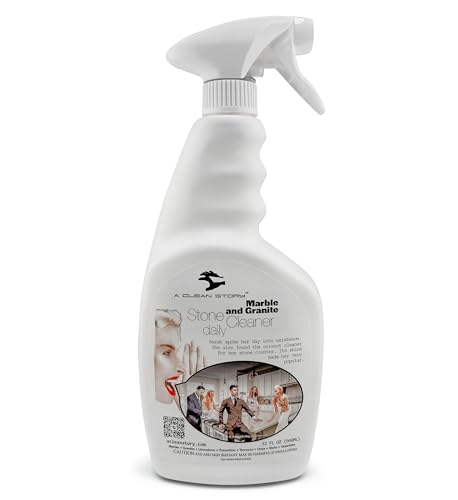
- Granite cleaner spray for stairs pH-neutral 32 oz
- Non-abrasive microfiber buffing cloths granite steps 12×12
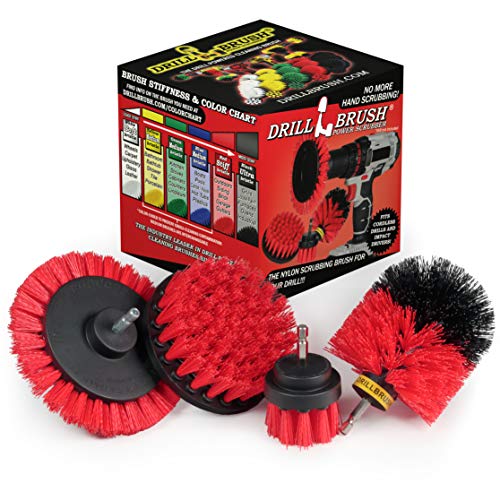
- Nylon bristle stone cleaning brush for granite stairs
- Granite penetrating sealer 24 oz stone sealer for steps
- Ergonomic angled scrub brush for granite countertops stairs

Before You Start
Plan a cleaning session when the stairs are dry and free of loose debris. Work in small sections to prevent slip hazards. Use non-abrasive tools and pH-neutral cleaners to avoid etching or dulling the stone’s finish. Test cleaners in an inconspicuous area first. Allow the surface to dry completely before walking on it to prevent streaks or residue transfer.
Step-By-Step: How To Clean Granite Steps
- Remove loose dirt and grit with a dry microfiber cloth, sweeping from top to bottom to prevent recontamination.
- Spray a light mist of granite cleaner spray for stairs onto a small section of the step, avoiding pooling liquid in corners.
- Wipe with a non-abrasive microfiber buffing cloth in a circular motion, following the stone’s natural grain to lift dirt without scratching.
- For stubborn spots, use the nylon bristle stone cleaning brush for granite stairs with a gentle back-and-forth motion. Keep the brush at a slight angle to avoid gouging.
- Rinse or wipe away cleaner residue with a clean microfiber cloth dampened with water. Ensure no sticky film remains, especially on steps where shoes contact the surface.
- Allow the surface to air-dry to a matte-to-slightly-gloss finish, checking for any remaining smudges and repeating as needed.
- Apply a thin layer of granite penetrating sealer following the manufacturer’s directions after the area is completely dry, usually every 1–3 years depending on traffic and sealer type.
- Let the sealer cure as directed, then lightly buff with a clean cloth to restore the surface’s uniform appearance.
- Revisit high-traffic areas periodically with a quick clean using the granite cleaner spray to maintain protection and gloss.
- Document a maintenance schedule: light daily wipe-down, weekly deeper clean, and periodic sealing for best results.
- Store all cleaners and tools out of reach of children and pets, and ensure ventilation during cleaning.
Troubleshooting
| Symptom | Likely Cause | Fix | Prevention |
|---|---|---|---|
| White streaks after cleaning | Residual cleaner or water mineral deposits | Wipe with a clean damp cloth, then dry with a soft towel | Use distilled water for rinsing when possible |
| Sticky feel or film | Overuse of cleaner or insufficient rinsing | Rinse thoroughly with clean water and buff dry | Follow manufacturer’s dilution guidance |
| Dull or scratched look | Abrasive tools or acidic cleaners | Switch to pH-neutral cleaner and non-abrasive cloths | Avoid scrubbing pads on granite |
| Staining after spills | Acidic or colored liquids left too long | Clean promptly with pH-neutral cleaner and a damp cloth | Wipe up spills immediately to prevent staining |
| Sealer wear appears uneven | Insufficient drying time or improper application | Reapply sealer per directions after full cure | Follow temperature and humidity guidelines during sealing |
Common Mistakes
- Using acidic cleaners like vinegar or lemon on granite steps
- Scrubbing with abrasive pads or steel wool
- Skipping a rinse and letting cleaner residue stay on the surface
- Cleaning when the surface is wet or in high humidity without adequate drying time
Sticking to pH-neutral products and soft tools helps maintain the stone’s integrity and appearance over time.
Tips For Best Results
- Wipe spills immediately to prevent staining or etching, especially with oils, wine, or citrus-based liquids.
- Use granite penetrating sealer as part of a routine maintenance plan to extend life and repel stains.
- Keep a dedicated set of tools for granite maintenance to avoid cross-contamination with harsher cleaning tasks.
- Work in the shade or indoors to avoid rapid evaporation that can leave streaks.
- Rotate cloths to use a fresh surface for final buffing, ensuring a bright, uniform finish.
Call A Professional
Consider a pro if granite steps show deep etching, extensive staining, or if the surface has large cracks or loose seams. Seek expert assistance for resealing, color enhancement, or large-scale restoration. Stop cleaning if the surface feels unusually soft or crumbles, as this may indicate underlying damage.
FAQ
What is the best cleaner for granite stairs?
A pH-neutral granite cleaner spray designed for stairs is ideal as it cleans effectively without etching the stone.
How often should granite steps be sealed?
Sealing frequency depends on traffic and product, but many homeowners reseal every 1–3 years after the surface is fully dry.
Can I use vinegar to clean granite steps?
Avoid acidic cleaners like vinegar; they can etch the stone and dull the finish over time.
What tools work best for granite steps?
Non-abrasive microfiber cloths, nylon bristle brushes for stubborn spots, and a dedicated granite cleaner are recommended.
Is sealing granite steps necessary?
Sealing helps resist stains and reduces maintenance, but apply only after the surface is clean and fully dry.
Can I use an all-purpose cleaner on granite?
All-purpose cleaners may contain ashy or alkaline residues; use a cleaner formulated for granite for best results.
Buying Guide
When selecting products for granite steps, consider size, compatibility, and maintenance needs. A granite cleaner spray for stairs pH-neutral 32 oz provides a ready-to-use solution, while a dedicated granite penetrating sealer 24 oz is essential for ongoing protection. To apply and maintain the stone efficiently, choose non-abrasive microfiber buffing cloths granite steps 12×12 and a nylon bristle stone cleaning brush for granite stairs for stubborn spots. An ergonomic angled scrub brush for granite countertops stairs can reduce strain during scrubbing on multiple surfaces.
Key buying factors include:
- Size and coverage: Ensure the cleaner and sealer have enough volume for the stair area without frequent reorders.
- Noise level and ergonomics: Tools with comfortable grips and low effort reduce fatigue during routine cleaning.
- Energy and environmental impact: Look for water-based, low-VOC formulas that are safe for indoor use.
- Controls and application: Simple spray bottles and clear directions simplify maintenance routines.
- Placement and storage: Store cleaners in a cool, dry place away from children and pets; keep brushes dry between uses.
Considering these factors helps build a practical cleaning routine that protects granite steps while preserving shine and safety. If any doubt arises about product compatibility with existing finishes, consult the manufacturer’s guidelines or a stone care professional.