Maintaining a glass top range or ceramic cooktop helps it perform like new and resists stubborn stains. This guide covers safe, effective methods using common cleaning products designed for ceramic and glass surfaces, along with practical steps to protect the finish and extend its life.
Quick Answer
Use a dedicated glass stove top cleaner cream or a ceramic glass cooktop cleaner spray with a non-abrasive pad or microfiber cloth. Apply a small amount, rub gently in circular motions, remove residue, then buff to a shine. For stubborn spots, let a cleaner sit briefly before scrubbing.
What You’ll Need
- glass stove top cleaner cream for ceramic cooktop
- ceramic glass cooktop cleaner spray
- stovetop glass surface cleaner kit
- 24 oz glass cooktop cleaner with non-abrasive pad
- ceramic cooktop cleaning kit microfiber cloths

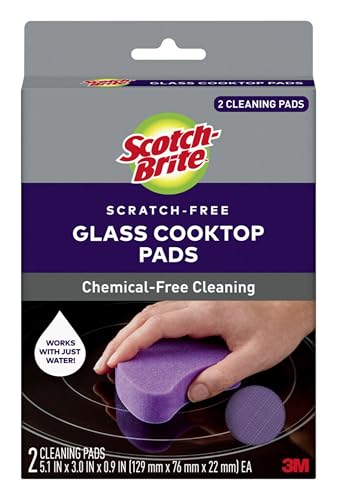

Before You Start
Work only on a cool surface to avoid burns and prevent cleaner from evaporating too quickly. Remove loose crumbs with a dry microfiber cloth. Use non-abrasive pads to avoid scratching the glass. Read product labels for any cautions or metal edging warnings. Plan for a 15–30 minute session to complete routine cleaning and polishing.
Step-By-Step: How To Clean Glass Top Range
- unplug the range or switch off burners to ensure safety during cleaning.
- Wipe loose debris from the surface with a dry microfiber cloth to prevent scratching.
- Apply a small amount of glass stove top cleaner cream for ceramic cooktop in a circular motion.
- For light residues, spray a ceramic glass cooktop cleaner spray and spread evenly using a soft pad.
- Let the cleaner sit for 30–60 seconds on tough spots like burnt sugar or dried sauce.
- Gently scrub with a non-abrasive pad or sponge until residues lift. Avoid applying heavy pressure.
- Wipe away cleaner and residue with a clean, damp microfiber cloth; repeat as needed.
- Buff the surface with a dry microfiber cloth to restore the glossy finish.
- Inspect for any remaining stains; repeat steps for persistent markings only on cooled surfaces.
- Optionally, finish with a final wipe using a dedicated glass surface cleaner for extra shine.
- Store cleaners and pads in a clean, dry area away from heat sources for next use.
Troubleshooting
| Symptom | Likely Cause | Fix | Prevention |
|---|---|---|---|
| Streaks after cleaning | Residue left from cleaner | Buff with a dry microfiber cloth; re-wipe with damp cloth then dry | Use minimal cleaner; avoid over-wetting |
| Scratches or dull spots | Abrasive material or metal scrub | Switch to non-abrasive pads and appropriate cleaners | Always use gentle tools and follow product directions |
| Stubborn burnt-on residue | Build-up baked at high heat | Let cleaner sit longer; use a plastic scraper sparingly | Clean regularly to prevent heavy build-up |
| Discoloration after cleaning | Harsh cleaners or heat exposure | Switch to milder formula; avoid bleach or ammonia on glass | Routinely follow manufacturer-recommended products |
Common Mistakes
- Using abrasive pads or metal scrapers on the glass surface.
- Cleaning a hot or warm surface, which can cause steam etching or burns.
- Over-applying cleaner, leading to streaks and residue buildup.
- Neglecting to dry the surface after cleaning, leaving water spots.
Tips For Best Results
- Choose a dedicated glass stove top cleaner cream for ceramic cooktops to maximize compatibility.
- Always use a soft microfiber cloth or non-abrasive pad to protect the surface.
- Regular cleaning after spills prevents sticky buildup and makes maintenance easier.
- For heavy burns, allow the area to cool completely before applying cleaner and avoid aggressive scrubbing.
Call A Professional
Seek professional help if the glass top shows deep cracks, significant chips, or persistent staining that does not respond to standard cleaners. Stop using the appliance until a technician inspects any visible damage to avoid safety risks.
FAQ
What is the best cleaner for a ceramic glass cooktop?
A dedicated glass stove top cleaner cream for ceramic cooktop or a ceramic glass cooktop cleaner spray works well with non-abrasive pads.
Can I use regular kitchen cleaners on a glass top range?
Prefer products designed for glass ceramic surfaces; regular cleaners may leave residue or harm the finish.
How do I remove difficult, baked-on residues?
Apply cleaner, let it sit briefly, then use a non-abrasive pad with gentle pressure. Avoid metal scrapers.
Is it safe to use a microfiber cloth for polishing?
Yes, microfiber cloths are ideal for a streak-free finish and help pick up fine residue.
How often should I clean a glass top range?
Wipe after spills and perform a thorough cleaning weekly to maintain shine and performance.
Should I use a glass cooktop cleaner kit?
Yes, a stovetop glass surface cleaner kit typically includes pads and cloths designed for safe use on ceramic glass surfaces.
Can I use the same cleaner on stainless steel edges?
Edge areas often require separate cleaners formulated for metal; avoid cross-using glass cleaners on metal edges.
Buying Guide
When selecting products for cleaning a glass top range, consider size compatibility, cleaning strength, and surface safety. A glass stove top cleaner cream for ceramic cooktop or a ceramic glass cooktop cleaner spray should be gentle enough for daily use and strong enough to tackle burnt-on stains. Look for a package that includes a stovetop glass surface cleaner kit with a non-abrasive pad or microfiber cloths for safe, effective scrubbing. A larger bottle, such as a 24 oz glass cooktop cleaner with non-abrasive pad, can be more economical for households with frequent spills. Ensure the kit includes soft cloths or towels to buff to a shine. Consider noise level if you keep the kit in a busy kitchen area and verify that products are labeled safe for ceramic cooktops.
Size and placement matter for storage. Choose a compact kit that fits under a sink or in a countertop cabinet. Energy efficiency isn’t directly affected by cleaners, but keeping the surface clean can prevent heat transfer issues and ensure burners function correctly. Look for products with simple usage instructions and clear safety warnings. If you have a ceramic cooktop with delicate edges, confirm the product is safe for use on glass without scratching. Finally, compare multi-pack options to maximize value while maintaining quality and safety standards.