Bulletproof glass, also known as laminated safety glass, combines durability with everyday usability. Cleaning it properly helps preserve its protective layers and maintain a streak-free appearance. The following guide outlines practical steps, recommended cleaners, and best practices tailored for laminated safety glass in homes, offices, and vehicles.
Quick Answer
Use a pH-neutral glass cleaner specifically formulated for safety glass, apply with a lint-free microfiber cloth or microfiber towel, and finish with a soft rubber squeegee for a streak-free result. Avoid ammonia-based cleaners on laminated glass to prevent potential damage to coatings or interlayers.
What You’ll Need
The tools and products below are chosen for effectiveness on laminated safety glass while minimizing residue and damage.
- pH-neutral glass cleaner for bulletproof/safety glass
- Ammonia-free cleaner for laminated safety glass
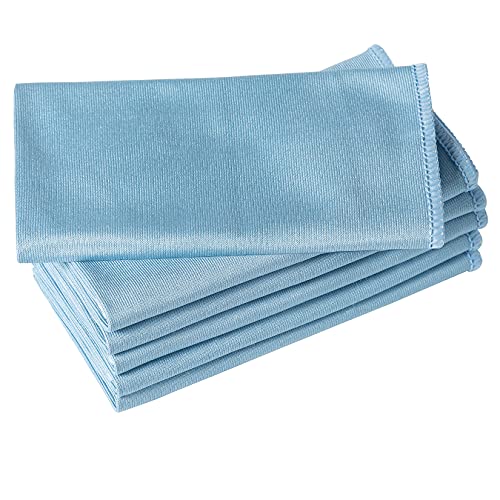
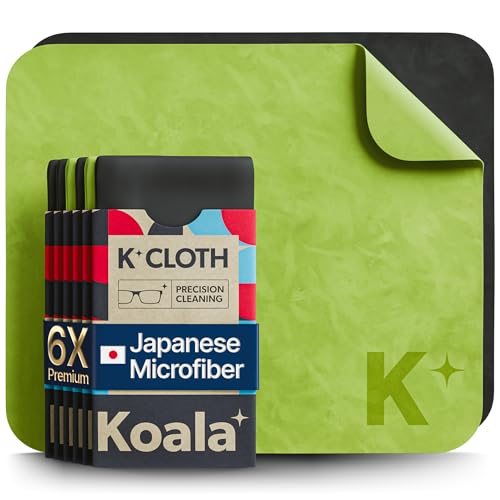
- Microfiber cloth for safety glass cleaning
- Soft rubber squeegee for glass cleaning
- Lint-free microfiber towel for laminated glass cleaning

Before You Start
Prepare the area by removing loose dust with a dry microfiber cloth. Test cleaners on a small, inconspicuous spot first to ensure no staining or haze forms. Work in a shaded area to prevent rapid drying that can leave streaks. Schedule cleaning when high traffic isn’t expected to avoid contact with wet surfaces for at least 5–10 minutes after cleaning. Do not use abrasive pads or ammonia-based cleaners on laminated safety glass as they can damage coatings and interlayers.
Step-By-Step: How To Clean Bullet Proof Glass Safely
- Dust the surface with a dry microfiber cloth to remove loose debris without scratching the glass.
- Spray a small amount of pH-neutral glass cleaner for bulletproof/safety glass onto the microfiber cloth, not directly onto the glass, to control saturation.
- Wipe in a grid or circular pattern, applying light pressure to lift smudges without stressing the interlayer.
- For stubborn fingerprints, reapply cleaner to the cloth and use a bit firmer but even pressure along the edge to avoid streaks.
- Rinse or wipe away residue with a clean, dry microfiber towel or lint-free cloth to prevent hazing.
- Finish with a soft rubber squeegee for glass cleaning held at a shallow angle to remove excess liquid from corners and edges.
- Dry the surface with a separate lint-free microfiber towel to absorb remaining moisture and ensure a clear finish.
- Inspect from multiple angles to confirm uniform clarity; touch up any lingering smudges with a fresh cloth.
Troubleshooting
| Symptom | Likely Cause | Fix | Prevention |
|---|---|---|---|
| Streaks after cleaning | Drying too quickly or improper wipe direction | Switch to a high-quality lint-free microfiber and use straight, overlapped passes | Clean in a cool, shaded area; don’t over-wet the surface |
| Cloudy or hazy appearance | Residue from cleaners or minerals in water | Rinse with a clean cloth and use pH-neutral cleaner | Rinse with distilled water if tap water leaves deposits |
| Sticking at edges after drying | Excess cleaner pooling at frame or edge | Wipe edges with a dry cloth and reseal the edge with a fresh microfiber | Apply cleaner sparingly near seals |
| Scratches visible after cleaning | Rubbing with abrasive materials | Cease using rough pads; switch to soft cloths | Use dedicated safety-glass-safe tools only |
Common Mistakes
- Using ammonia-based cleaners on laminated safety glass, which can degrade interlayers
- Over-wetting the surface, leading to pooling and streaks
- Using abrasive pads or rough towels that scratch the surface
- Rubbing in circular motions with excessive force at edges
Tips For Best Results
- Always use a pH-neutral glass cleaner for bulletproof/safety glass to preserve coatings and interlayers.
- Keep cleaning tools dedicated to safety glass to avoid cross-contamination with harsher cleaners.
- Use a two-step approach: wipe with cleaner on a microfiber cloth, then smooth with a dry microfiber towel for shine.
- Test new products on a small area before broader use.
- Store cleaners away from direct sunlight to prevent rapid degradation of liquids and fragile coatings.
Call A Professional
Consider contacting a professional if laminated safety glass shows discoloration, delamination signs, or persistent hazing after cleaning efforts. Seek urgent help for areas with visible cracking, water intrusion, or structural damage in vehicles or building facades.
FAQ
Can I use regular glass cleaners on bulletproof glass?
Prefer a pH-neutral cleaner designed for safety glass to prevent damage to interlayers.
Is ammonia-free cleaner safe for laminated glass?
Yes, ammonia-free formulations are typically safer for laminated interlayers and coatings.
Do I need any special tools for cleaning etched or scratched surfaces?
Only soft, non-abrasive cloths and pads; avoid rough tools that can worsen damage.
How often should I clean bulletproof glass?
Clean as needed to maintain visibility and hygiene, but avoid excessive cleaning that could wear coatings over time.
Buying Guide
When selecting cleaners and accessories for bulletproof glass, consider size, noise level of cleaning tools, and the cleaning environment. Look for products that explicitly state compatibility with laminated safety glass and claim low residue. Energy-efficient, non-toxic formulas are preferable for homes and offices. For placement, consider whether glass is interior or exterior, as exposure to weather can affect cleaning frequency and product choice. Compare multiple options for pH neutrality, streak resistance, and ease of use. Stay mindful of safety guidelines and manufacturer recommendations to extend the life of safety glass installations.