Glass table tops add elegance to any room, but keeping them crystal clear can be challenging. This guide provides a practical, step-by-step approach using common tools to achieve streak-free results on American-made glass surfaces.
By following the methods below, you can minimize fingerprints, smudges, and dust while preserving the tabletop’s finish and clarity.
Quick Answer
For a fast streak-free result, mist a lint-free cleaning cloth with a streak-free cleaner, wipe in circular motions, then finish with a cross-hatch pattern to remove any remaining residue. Dry with a clean microfiber pad or squeegee to prevent water spots.
What You’ll Need
- Microfiber glass cleaning cloth streak-free large
- Streak-free glass cleaner spray bottle 24 oz
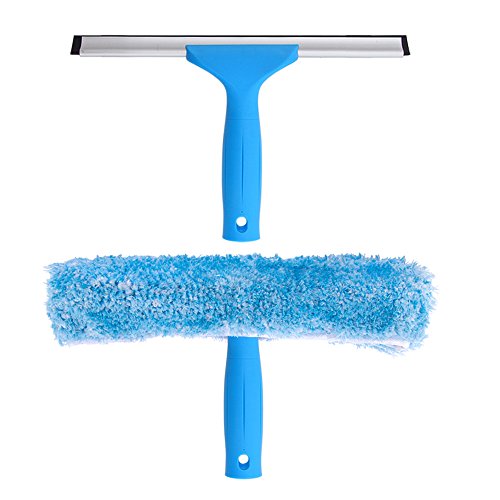
- Glass table squeegee with microfiber cloth
- Lint-free glass cleaning towel microfiber 12×12
- Glass top cleaning kit squeegee and microfiber pad


Before You Start
Clear the surface and remove all items. Use soft, non-abrasive materials to avoid scratching the glass. Work in a shaded area or indoors to reduce rapid drying that can cause streaks. If the table has edge seams or metal trim, ensure cleaners do not contact any non-glass materials for extended periods.
Time estimate: 10–15 minutes for a standard 60–72 inch table. For heavily soiled surfaces, allow a few extra minutes to re-wipe.
Step-By-Step: How To Clean Glass Table Tops Without Streaks
- Remove loose dust with a clean, dry microfiber cloth.
- Lightly mist a streak-free cleaner onto a microfiber cloth, not directly onto the glass to avoid pooling.
- Wipe the surface in small circular motions to lift oils and grime.
- Switch to a cross-hatch pattern (horizontal, then vertical passes) to remove remaining smudges.
- Re-wipe with a dry microfiber towel to collect any remaining moisture.
- For edges and corners, use a lint-free microfiber pad or a corner of the squeegee with a cloth to reach tight spots.
- Buff the surface with a clean, dry cloth until no haze remains.
- Inspect from different angles to spot any streaks you may have missed.
- If streaks persist, switch to a fresh cloth or pad and repeat steps 3–7.
- Finish by drying with a squeegee and microfiber cloth for a flawless look.
- Return items to place once the surface is completely dry and streak-free.
- Clean regularly using the same process to maintain clarity and reduce buildup.
Troubleshooting
| Symptom | Likely Cause | Fix | Prevention |
|---|---|---|---|
| Streaks after cleaning | Residue from cleaner or water spots | Switch cloths and use a dry microfiber to buff | Apply cleaner lightly and dry promptly |
| Cloudiness | Dust trapped under glass or dirty pads | Use new pads or cloths and wipe with minimal moisture | Keep cleaning materials clean and dry |
| Fingerprints reappear quickly | Natural oils from hands | Wipe with a fresh microfiber and consider a water-based protector | Provide coasters or placemats |
| Pitting or scratches visible | Abrasive cleaners or rough cloth | Switch to non-abrasive microfiber and use only glass-safe cleaners | Avoid abrasive tools |
| Cleaner leaves a haze | Over-wetting or insufficient buffing | Dry thoroughly with a clean cloth | Lightly dampen cloth; never soak the surface |
Common Mistakes
- Using paper towels or old rags that shed fibers onto the glass
- Spraying cleaner directly onto glass, causing pooling and streaks
- Over-wetting the surface, which leads to water spots during drying
- Neglecting to buff with a dry cloth after cleaning
- Using rough or dirty pads on glossy finishes
Tips For Best Results
- Always use high-quality microfiber cloths designed for glass to minimize lint and fibers.
- Choose a cleaner labeled streak-free or glass-safe and test on a small area first.
- Work in a cool, shaded environment to prevent rapid drying and streak formation.
- Keep a dedicated squeegee kit for glass cleaning to simplify maintenance.
- Place coasters under items to reduce future cleaning frequency.
Call A Professional
Consider a professional if the glass top has persistent etching, deep scratches, or severe hazing that does not respond to standard cleaning. Stop using abrasive cleaners or scrubbing pads, and consult a glass-care specialist when:
- The finish shows clouding despite multiple cleanings
- Edges or seams show corrosion or damage
- There are visible cracks or chips in the surface
FAQ
What is the best cleaner for glass table tops?
Look for a streak-free glass cleaner spray labeled safe for glass; test on a small area first to ensure no residue remains.
Can I use vinegar on glass tables?
Vinegar is often effective but can leave a haze on certain surfaces; use a small amount and rinse thoroughly, or opt for a dedicated glass cleaner.
How do I prevent streaks in sunlight?
Clean when the surface is cool and out of direct sun to slow drying and reduce streak formation.
Is microfiber enough, or do I need a squeegee?
Microfiber alone works well; a glass-top cleaning kit with a squeegee can speed up the process and reduce streaks on large surfaces.
How often should I clean my glass table top?
Wipe weekly for lighter use or daily if the area collects dust and fingerprints quickly; deeper cleans can be done monthly.
Buying Guide
Choosing the right tools and products matters for ongoing maintenance. Consider the following factors to optimize results for glass table tops:
- Size and coverage: For long or wide tables, use a microfiber cloth designed for large surfaces or a squeegee with a microfiber pad to cover more area quickly.
- Noise level and ease of use: Some spray bottles and wipers operate quietly and smoothly, reducing disruption during cleaning sessions.
- Energy efficiency and eco-friendliness: Opt for water-based, streak-free formulas that require less effort and fewer wipes.
- Controls and convenience: A kit with a dedicated spray bottle, microfiber pad, and lint-free towel offers streamlined cleaning.
- Placement considerations: If the table is used in high-traffic areas, choose durable microfiber tools and residue-free cleaners to minimize repeated cleaning.
- Materials compatibility: Confirm that the cleaner and microfiber cloth are safe for glass and do not interact with any metal edges or finishes.
- Maintenance rhythm: Regular use of a dedicated glass cleaning kit grows familiarity and improves results over time.
Ready to keep glass table tops pristine? With the right tools and a simple routine, streak-free clarity becomes effortless and repeatable, especially for busy American households.