Cleaning a duvet regularly helps maintain comfort and hygiene without the need for professional services. This guide provides practical steps for American households to wash, dry, and refresh a duvet using common laundry equipment and select accessories designed for bulky items.
Whether you own a standard or oversized duvet, following proper care instructions protects fabric and extends its life. The process can vary by fabric type, fill, and cover, so readers should check labels and adjust water temperature and cycle settings accordingly.
Quick Answer
- Check the care label to confirm machine suitability and water temperature.
- Pre-treat stains with a gentle remover designed for bedding.
- Use a large-capacity washer and a duvet washing bag if needed.
- Balance the load, run a warm cycle, and use a second rinse if detergent buildup is a concern.
- Dry in a large dryer with bulky-friendly dryer balls and occasional fluffs to prevent clumping.


What You’ll Need
- Oversized duvet washing bag king size
- Comforter washing bag for machine wash
- King size duvet dryer balls for bulky blankets
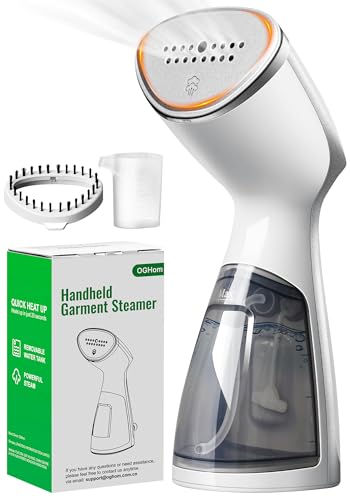
- Fabric steamer for duvet and comforter
- Duvet cleaning kit with stain remover and brushes
[newline]
Before You Start
Before beginning, confirm the duvet’s care label for machine wash compatibility and water temperature guidelines. Never exceed the manufacturer’s recommended agitation or spin settings as this can damage down or synthetic fills. Prepare a clear, flat surface in the laundry room and ensure the machine can accommodate a bulky item. If staining presents a concern, treat spots with a dye-free, fabric-safe stain remover before washing. Time estimates vary by load size and fabric type, typically 60 to 90 minutes for washing and drying combined.
Step-By-Step: How To Clean A Duvet At Home
- Inspect the duvet for tears or loose seams; repair as needed before washing to prevent further damage.
- Pre-treat any visible stains with a gentle stain remover, following product directions and testing on a hidden area first.
- Place the duvet inside a large duvet washing bag or comforter washing bag to help distribute agitation evenly during the wash.
- Load the bag into a front- or top-loading washer that has a capacity suitable for bulky items; use a mild, liquid detergent that dissolves completely.
- Choose a warm water cycle with a longer wash time and run an extra rinse to remove all detergent residue, especially for synthetic fillings.
- After washing, lay the duvet on a clean surface and check for remaining damp spots; if needed, run a brief spin cycle to remove excess moisture before drying.
- Transfer the duvet to a large dryer. Add king size duvet dryer balls to help fluff and prevent clumping; set to a low or medium heat setting appropriate for the fill type.
- Periodically pause drying to shake out and reposition the duvet to promote even drying; continue until fully dry but avoid overheating the filling.
- If the duvet remains damp after a full cycle, run an additional short drying interval or air-dry flat in a well-ventilated area.
- Once dry, thoroughly fluff the duvet to restore loft; use a fabric steamer if needed to reduce wrinkles and freshen fibers.
- Inspect for any lingering odors and, if necessary, repeat a light wash using a small amount of detergent and an extra rinse.
Troubleshooting
| Symptom | Likely Cause | Fix | Prevention |
|---|---|---|---|
| Duvet remains damp after a full cycle | Too large for the washer or dryer; insufficient spin or heat | Split load into two cycles or use a larger machine; run longer drying time | Choose appropriate machine settings; use dryer balls |
| Detergent residue on fabric | Too much detergent or insufficient rinse | Run an extra rinse; use the recommended amount | Use liquid detergent and avoid high-suds formulas |
| Clumping of filling | Improper drying or low loft | Re-dry with dryer balls and shake periodically | Ensure even distribution and adequate drying time |
| Persistent odor | Insufficient cleaning or trapped moisture | Pre-treat stains, run a full wash with proper rinse | Air out after washing; store in breathable cover |
Common Mistakes
- Overloading the washer with a bulky duvet, which reduces cleaning effectiveness.
- Using hot water for down or delicate fills, causing clumping or fabric damage.
- Skipping the extra rinse, leaving detergent residues that irritate skin.
- Rushing drying without checking loft, risking damp spots and odor.
Tips For Best Results
- Use a duvet washing bag to protect seams and distribute movement evenly in the drum.
- Opt for a low-heat or air-dry setting to preserve fiber integrity and reduce energy use.
- Consider a fabric steamer after drying to remove wrinkles and refresh the fabric without washing.
- If the duvet is heavily soiled, repeat the washing process with a stain remover targeted to problem areas first.
Call A Professional
Contact a professional cleaner if the duvet has persistent stains that resist at-home treatments, significant water leakage, or odors that linger after multiple wash cycles. Seek expert help for specialty fills (such as feather-down or memory foam components) or if the duvet is unusually large or heavy to handle safely.
FAQ
Can I wash a king-size duvet in a standard residential washing machine?
Yes, but it’s best to use a large-capacity washer or a duvet washing bag to protect the item and ensure thorough cleaning.
What temperature should I use when washing a duvet?
Typically warm water is suitable, but always follow the care label; some down or delicate fills require cold water.
Is it necessary to use a dryer for a duvet?
Drying helps restore loft and prevent mildew; a large dryer with dryer balls is recommended for bulky items.
How can I prevent a duvet from clumping during drying?
Use dryer balls and periodically fluff the duvet during the cycle to maintain even distribution of the fill.
What should I do about stubborn stains on a duvet?
Pre-treat with a stain remover designed for fabrics, then wash as usual with an extra rinse if needed.
How often should I clean a duvet?
Most households clean duvets every three to six months, or as needed based on usage, odors, and skin sensitivities.
Buying Guide
When selecting gear and accessories for duvet care, consider size, load capacity, and compatibility with bulky items. A reliable king-size duvet washing bag can make wash cycles safer and more effective, while a comforter washing bag provides an extra margin of protection in standard machines. For drying, bulky-friendly king size duvet dryer balls help maintain loft and speed up drying time without excessive heat. A fabric steamer can refresh fabrics between washes, and a duvet cleaning kit with stain remover and brushes offers targeted treatment for common spots. In practice, balancing these tools with your washing machine’s capacity and your duvet’s fill type yields the best results.
Buying Factors To Consider
- Size: Choose bags and dryer accessories rated for your duvet’s dimensions to avoid jams and uneven cleaning.
- Noise Level: Some machines and accessories may produce more noise; plan near living spaces or bedrooms accordingly.
- Energy Efficiency: Opt for efficient washing and drying cycles to save energy and reduce wear on fabrics.
- Controls: Simple controls with clear indicators help ensure correct cycle selection for bulky items.
- Placement: Ensure a stable, ventilated area for drying and storage to prevent musty smells and mold.