Frameless shower doors offer a sleek, modern look, but their smooth glass surfaces can quickly show soap scum, hard water deposits, and mineral streaks. This practical guide shows how to clean frameless shower doors effectively without scratching or dulling the glass, using common tools and safe cleaners.
The following steps focus on removing buildup, preventing spots, and keeping doors sparkling between deeper cleanings. A few simple routines can dramatically improve clarity and prolong the life of the glass and hardware.
Quick Answer
Best first steps: wipe down doors after showers with a microfiber cloth, use a squeegee or glass wand to remove water, and treat weekly with a gentle cleaner. For heavy buildup, switch to a razor scraper or cleaning kit designed for glass, then seal with a brief rinse and dry.
What You’ll Need
- 14 inch glass shower door squeegee
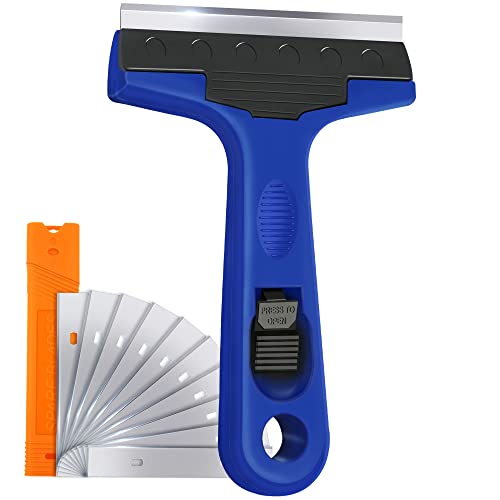
- frameless shower door cleaning scraper razor blade
- extendable cleaning wand for glass shower doors
- microfiber cloth for glass shower doors
- glass shower door cleaning kit squeegee razor scraper


Before You Start
Before cleaning, ensure the area is well ventilated. Use gloves if you’re working with cleaners that may irritate skin. Protect metal hardware with a soft cloth to prevent scratching. Time estimates vary: light maintenance 5–10 minutes; heavy buildup 20–30 minutes. Important cautions: never use abrasive pads on tempered glass, avoid harsh acids on metal seals, and never mix cleaners unless the label permits. Test any new product on a small, inconspicuous area first.
Step-By-Step: How To Clean Frameless Shower Doors
- Prepare your tools: assemble the microfiber cloth, squeegee, and extendable wand within reach. Keep the razor scraper blade handy for stubborn spots.
- Rinse the door with warm water to loosen loose soap scum and mineral deposits.
- Apply a gentle cleaner or a homemade mix (white vinegar diluted with water) to the glass, focusing on corners and any corners where grime collects.
- Let the cleaner sit for 1–2 minutes to soften mineral buildup, then wipe in circular motions with the microfiber cloth.
- Use the extendable cleaning wand for hard-to-reach areas along the top edge and hinges, ensuring an even coat on the glass surface.
- Carefully run the 14 inch glass shower door squeegee from top to bottom to remove the majority of moisture and reduce streaking.
- For persistent spots, gently use the frameless shower door cleaning scraper razor blade at a low angle, keeping the blade flat against the glass to avoid scratches.
- Rinse the door again to remove any remaining cleaner and any loosened residue.
- Dry with a clean microfiber cloth to prevent water spots, paying attention to the edge seals where moisture collects.
- Inspect for streaks and re-wipe any areas as needed. Consider a light post-clean rinse with distilled water for best results.
- Optional protectant: apply a glass-safe water-repellent product following manufacturer directions for easier future cleaning.
- Close the session by returning tools to their storage place and wiping down the shower floor to prevent slip hazards.
Troubleshooting
| Symptom | Likely Cause | Fix | Prevention |
|---|---|---|---|
| Streaks appear after cleaning | Unfed rinse or residual cleaner | Rinse thoroughly and wipe with a dry microfiber cloth | Rinse and dry after each use |
| Hard water spots persist | Mineral buildup | Use a vinegar-based cleaner; let sit longer on deposits | Wipe down doors with squeegee after shower |
| Scratches or hazy areas | Razor blade used too aggressively | Switch to a new blade, use a light touch | Avoid scraping dry glass; test first |
| Soap scum returns quickly | Hard water and soap residue | Schedule regular cleanings; consider a water-repellent coating | Use a mild cleaner and wipe dry weekly |
Common Mistakes
- Using abrasive pads or powerful scrubs on glass
- Neglecting to dry the glass after cleaning, which leads to spots
- Over-reliance on heavy chemicals that can damage metal seals
- Scraping with excessive pressure, risking micro-scratches
Tips For Best Results
Consistency matters. A quick daily wipe with microfiber and a weekly light cleaning keeps buildup minimal. For homes with hard water, consider a monthly use of a descaling cleaner and a protective coating on the glass. Always begin with a small test area when trying a new product. Use a dedicated cleaning kit for glass doors to prevent cross-contamination with other surfaces.
Call A Professional
Seek professional help if there is significant glass damage, persistent etching, broken seals, or hardware that requires replacement. If cleaning attempts require removal of door panels or disassembly of hardware, a licensed professional should handle the task to avoid voiding warranties or causing leaks.
FAQ
What is the best daily routine to keep frameless shower doors clean?
Wipe down the doors with a microfiber cloth after each shower and use a squeegee to remove excess water; dry any remaining droplets to prevent spots.
Can I use vinegar on glass doors?
Yes, a diluted vinegar solution works well for mineral deposits, but avoid using vinegar on metal hardware containing protective coatings unless the manufacturer approves.
Is a razor scraper safe for glass doors?
Yes, but use at a shallow angle and only on stubborn spots. Always test first and replace blades regularly.
How often should I deep-clean frameless shower doors?
Plan a deep-clean every 1–4 weeks depending on water hardness and usage, with lighter cleanings in between.
What about sealants and coatings?
Glass-safe protective coatings can reduce buildup, but follow product instructions and reapply as recommended by the manufacturer.
Are there eco-friendly cleaners for frameless doors?
Yes, many plant-based cleaners are effective; choose products labeled for glass and avoid harsh acids near metal hardware.
Buying Guide
When selecting products to maintain frameless shower doors, consider size, efficacy, and ease of use. A good cleaning kit should include a squeegee of adequate width, a flexible extendable wand, and a razor-scraper with replacement blades for stubborn spots. Look for microfiber cloths that resist shedding and are lint-free for clear glass. Choose glass-safe cleaners that are non-abrasive and create minimal fumes. Consider a water-repellent coating for easier maintenance and longer intervals between full cleanings.
Key Buying Factors
- Size and compatibility: ensure the squeegee width matches your door span and track design.
- Noise level: consider quiet tools when present in small bathrooms or near bedrooms.
- Energy and ease of use: extendable wands reduce reaching and bending for high panels.
- Controls and materials: choose tools with non-slip handles and rust-resistant metal.
- Placement and storage: pick compact, easy-to-store cleaning kits that fit your bathroom layout.
For frameless doors, a well-rounded kit with a squeegee, a scraper, an extendable wand, a microfiber cloth, and a gentle cleaner provides practical, consistent results. Regular upkeep reduces buildup and helps doors stay crystal clear without frequent professional intervention.