Cleaning flower vases keeps arrangements looking fresh and prevents residue from marring future bouquets. This guide explains practical methods, the right tools, and best practices to remove tough stains, algae, and mineral buildup from various vase shapes and materials.
Quick Answer
Use a combination of dish soap, warm water, and the right cleaning tools to loosen debris, followed by a thorough rinse. For stubborn stains, apply white vinegar or lemon juice and allow a short soak before scrubbing with a flexible-bristle brush. Rinse completely and dry to prevent water spots.
What You’ll Need
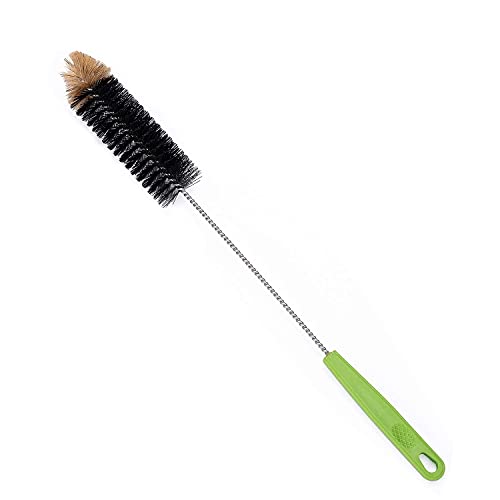
- Glass vase cleaning brush long handle
- Vase cleaning brush set flexible bristles
- Silicone vase cleaning brush
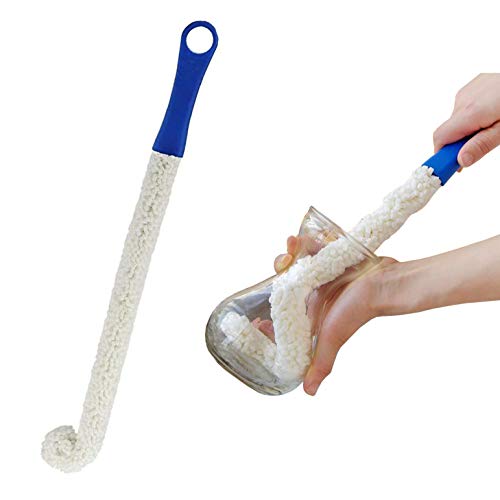
- Bottle brush vase cleaner curved head
- Vase cleaning kit with brushes and sponge

Before You Start
Prepare a clean workspace and wear gloves if you have sensitive skin. Empty the vase and rinse with clean water to remove loose debris. For delicate or antique vases, test any cleaner on a hidden area first to avoid damage. Time estimates vary: light cleaning takes about 10 minutes, while stained or layered mineral buildup may need 20–30 minutes. Never use abrasive pads on soft glass or porous surfaces, and avoid hot water on delicate glass, which can cause cracking.
Step-By-Step: How To Clean Flower Vases
- Empty the vase and rinse with warm water to remove loose petals and water.
- Fill the vase with warm water and add a small amount of dish soap. Swirl gently to create suds.
- Use a glass vase cleaning brush long handle or vase cleaning brush set flexible bristles to scrub the interior walls, especially near the base where residue hides.
- For narrow or curved vases, switch to a bottle brush vase cleaner curved head to reach tight spots without tilting.
- If mineral buildup appears, add a mixture of equal parts white vinegar and water and soak for 10–20 minutes. Then scrub again with the brush.
- Rinse thoroughly with clean water until all soap and vinegar residues are gone. Run a final rinse to remove any lingering odors.
- Drain and dry the vase completely with a soft towel or air-dry upside down to prevent water spots.
- For persistent residue, repeat the soak with a silicone vase cleaning brush to avoid scratching the surface, then rinse and dry.
Troubleshooting
| Symptom | Likely Cause | Fix | Prevention |
|---|---|---|---|
| Cloudy water marks | Mineral deposits | Soak with vinegar solution, scrub, and rinse | Change water frequently during arrangements |
| Stubborn algae on exterior | Outdoor placement or sunlight exposure | Use gentle detergent and scrub with a flexible-bristle brush | Rinse after use; keep indoors when possible |
| Scratches on glass | Aggressive scrubbing | Switch to soft, non-abrasive brushes; avoid steel wool | Use appropriate brush size for vase |
| Residual odor | Organic matter decaying inside | Soak with vinegar or lemon juice, scrub, rinse | Clean promptly after vase use |
Common Mistakes
- Using hot water on delicate or lead crystal vases, which can cause stress cracks.
- Overstretching bristles or using hard brushes on fragile surfaces.
- Leaving cleaners or water in vases for extended periods, which may cause residue or odor.
Tips For Best Results
- Pre-assemble a dedicated vase-cleaning kit with the brushes listed under What You’ll Need to streamline routine cleaning.
- Rinse immediately after changing water in arrangements to minimize buildup.
- Dip a small brush into a vinegar solution for stubborn spots, then rinse thoroughly to prevent scent transfer.
- Use a curved-head bottle brush for curved or wide-mouthed vases to ensure full interior coverage.
- Store brushes dry after use to prevent mildew and odor formation.
Call A Professional
Consider professional help if a vase is severely cracked, etched, or has mineral deposits that do not respond to standard cleaning. Seek assistance for antique or irreplaceable pieces where restoration risk is high. If the vase leaks or shows structural damage, stop using it and consult a restoration expert.
FAQ
What is the best brush for cleaning narrow vases?
A bottle brush vase cleaner curved head provides access to tight interiors without tipping the vase.
Can I use bleach to clean flower vases?
Avoid chlorine bleach on colored or delicate glass; use mild soap or vinegar for most cases.
How often should I clean vases?
Clean after each use or at least weekly for frequently used vases to prevent buildup.
Is it safe to soak glass vases for cleaning?
Yes, short soaks with mild solutions are generally safe; avoid prolonged exposure or hot water.
Buying Guide
Choosing the right vase-cleaning tools depends on vase size, material, and how frequently cleaning is needed. When evaluating options, consider:
- <bSize and shape: Long-handled brushes work best for tall, narrow vases; curved-head brushes suit wide mouths and curved interiors.
- <bMaterial compatibility: Silicone brushes tend to be gentler on delicate glass and prevent scratching, while bristle sets offer aggressive cleaning for stubborn residue.
- <bDurability and ease of cleaning: Look for brushes with replaceable heads or easy-to-clean silicone components.
- <bEase of storage: Compact kits with a dedicated holder help keep tools organized.
- <bIncluded accessories: Some kits include sponges and small scrubbers that complement brushes for edge cases.
- <bBudget and value: A curated set of versatile tools often provides the best long-term value for regular vase care.
For most households, a combination of a flexible-bristle brush, a curved-head bottle brush, and a silicone vase cleaner covers the majority of vase shapes and cleaning needs. Consider a dedicated vase-cleaning kit with multiple brush types to simplify maintenance and extend the life of glass and delicate pieces.