Steam cleaning offers a powerful, chemical-free way to refresh shower surfaces, grout lines, and tiles. This guide explains a practical approach using common steam cleaning tools to remove grime, soap scum, and mildew from showers in American homes.
Quick Answer
Use a high-heat steam cleaner for shower grout lines and tiles, equipped with a nylon brush head for grout and a handheld attachment for tight spaces. Work slowly in small sections, keep the nozzle a few inches from the surface, and follow with a microfiber wipe to remove loosened residue.
What You’ll Need
- Steam cleaner for shower grout lines 1500W
- Portable handheld steam cleaner bathroom scrub brush
- Hot water steam cleaner for bathroom tiles shower stall
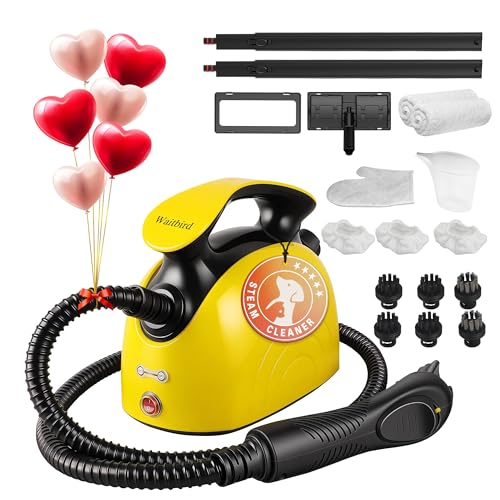
- Steam cleaner with nylon brush head for grout
- Cordless steam cleaner bathroom tile and grout kit
- Microfiber cloths or towels
- Spray bottle with a mild vinegar solution (optional)


Before You Start
Clear the shower area of all toiletries and mats. Ventilate the bathroom to minimize steam buildup. Read the steam cleaner’s manual for safe pressure settings and nozzle attachments. Use protective gloves and goggles if you are sensitive to heat or cleaning debris. Time estimate: 20–40 minutes for a standard shower stall, longer for heavy buildup.
Step-By-Step: How To Steam Clean A Shower
- Fill the steam cleaner with fresh water, selecting a high-temperature setting if available. Attach the nylon brush head for grout work.
- Start at the top of the shower and work downward to prevent dripping onto cleaned areas.
- Move the wand slowly along grout lines, using short, deliberate passes to loosen grime.
- For tile surfaces, switch to a larger nozzle or the hot water steam cleaner attachment to cover more area efficiently.
- Concentrate on stubborn spots by pausing for a few seconds over each area and using the scrub brush to agitate grime gently.
- Rinse or wipe down the surface with a microfiber cloth after steaming to remove residue.
- Repeat on any remaining sections, paying attention to corners and shower doors or enclosures.
- Dry the area with a clean towel to prevent moisture from seeping back into grout.
- Inspect grout lines for improvement; repeat steaming if necessary for heavy mildew buildup.
- Store the steam cleaner in a dry area and empty the reservoir after use.
- Regular maintenance: steam clean weekly or biweekly to prevent new buildup.
- For tight crevices, use the cordless steam cleaner bathroom tile and grout kit to reach corners without bending.
Troubleshooting
| Symptom | Likely Cause | Fix | Prevention |
|---|---|---|---|
| Steam sputters or loses pressure | Water reservoir low or clogged nozzle | Refill and clear nozzle; check for kinks in hoses | Regularly descale and use clean tap water |
| Residue left after steaming | Soap scum buildup or hard water minerals | Wipe with microfiber while surface is warm | Clean grout routinely to prevent heavy buildup |
| Tiles coarsely rough after cleaning | Overheating or excessive agitation | Use gentler passes and shorter contact time | Test on a small area first |
| Grout not improving | Old or highly stained grout | Regrout or apply grout sealant after cleaning | Spot-treat stains early |
Common Mistakes
- Using too much force with the brush, scratching tile surfaces.
- Relying on steam alone for severe mold; may need surface scrubbing and ventilation.
- Neglecting to dry surfaces, which invites quick re-growth.
- Not following the manufacturer’s guidelines for water temperature and pressure.
Tips For Best Results
- Pre-warm the area by running steam over a towel to loosen grime before detailed scrubbing.
- Alternate between nylon brush heads and microfiber cloths for optimal cleaning and wiping.
- For grout, target the line at a 45-degree angle to optimize grease removal.
- Schedule regular steam cleanings to keep grout lighter and easier to maintain.
- Consider a cordless model for bathrooms with limited outlets or to reach corners more easily.
Call A Professional
Contact a professional if you notice persistent mold growth, cracked or crumbling grout, or if the tile or grout color has significantly darkened over time. Stop using steam ventilation if you detect a persistent musty odor after cleaning or if the shower enclosure shows visible damage that could compromise waterproofing.
FAQ
Can steam cleaning damage grout or tiles?
When used correctly, steam cleaning can refresh grout and tiles without harsh chemicals, but excessive heat or pressure may cause damage on fragile surfaces. Always test on a small area first.
How often should I steam clean a shower?
For average use, biweekly steam cleaning keeps grime from building up. Increase frequency if heavy mildew is present.
Is a cordless steam cleaner enough for a full shower?
Cordless units are convenient for small showers or quick touch-ups; larger showers may benefit from a corded model with higher output.
What attachments work best for grout?
A nylon brush head is effective for grout, paired with a narrow nozzle for accuracy in tight lines.
Should I use cleaning solutions with steam?
Pure water steam is effective; for tougher grime, a mild solution can be used cautiously, following the device’s guidelines to avoid residue or damage.
Buying Guide
Choosing the right steam cleaner for a shower involves several factors. Size and capacity determine how long you can work between refills, while heat output affects how easily grime loosens. Noise level matters for a bathroom used at different times, and energy efficiency helps reduce running costs. Look for a model with adjustable steam settings, multiple attachments, and a dedicated grout brush. Placement considerations include a model with a long hose for reach and a lightweight design for easy maneuverability. When comparing options, consider maintenance needs, availability of replacement heads, and warranty coverage to ensure long-term reliability.
Buying Guide – Key Factors To Consider
- Size and weight: Choose a compact, easy-to-maneuver unit for bathrooms.
- Steam power and temperature: Higher wattage (e.g., 1500W) generally delivers better grout-cleaning performance.
- Attachments: Nylon brush heads for grout, small nozzles for corners, and a scrub brush for heavy buildup.
- Corded vs cordless: Cordless offers convenience; corded models typically provide longer run times and consistent pressure.
- Water source and filter: Some units use demineralized water or include filters to prevent mineral deposits.
- Maintenance and replacement parts: Availability of brushes, seals, and filters matters for longevity.
- Safety features: Auto shutoff and temperature controls help prevent overheating.
- Placement and storage: Look for models with a compact footprint and a stable stand for safe storage.