Artificial flowers can brighten spaces without maintenance, but dust accumulation dulls their appearance. This guide provides practical methods to clean fake flowers effectively, using common tools and safe techniques for a variety of materials. Following these steps helps preserve color, texture, and longevity.
Quick Answer
Light dusting with a feather dusting wand or microfiber cloth is ideal for everyday cleaning. For stubborn dust, use a dusting brush or an electric air duster at a low setting, followed by a quick gentle wipe with a microfiber cloth. Finish with a soft blast from a vacuum’s dust brush attachment if needed, ensuring you don’t bend delicate stems.
What You’ll Need
- Soft microfiber cloth for artificial flowers dusting
- Dusting brush for artificial plants
- Electric air duster for dust removal
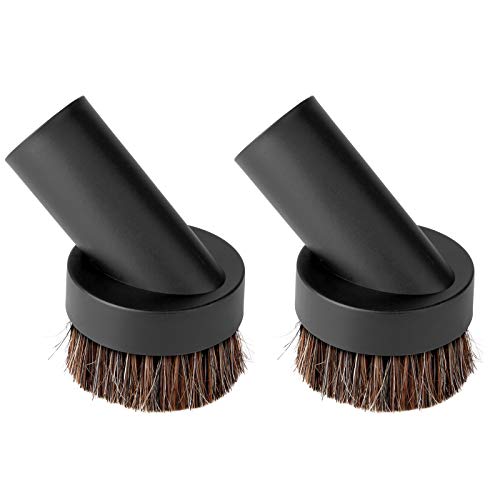
- Vacuum dust brush attachment for artificial plants
- Feather dusting wand for fake flowers


Before You Start
Identify the material type of the fake flowers—silk, plastic, or polyester blends—and test a hidden area first. Work in a well-ventilated space to avoid stirring dust back into the air. Place a protective cover or towel under the arrangement to catch falling dust. Keep distance from heat sources and avoid moisture to prevent color fading or warping. Estimate cleaning time as 15–30 minutes for a standard bouquet.
Step-By-Step: How To Clean Fake Flowers And Keep Them Looking Fresh
- Gently remove the bouquet from its vase or arrangement to give full access to each stem.
- Lightly run a feather dusting wand over the petals to lift surface dust without rubbing the fibers.
- For moderately dusty arrangements, use a soft microfiber cloth to wipe each bloom from top to bottom with minimal pressure.
- Use a dusting brush for artificial plants to reach crevices between petals and foliage; use short, gentle strokes.
- If dust is stubborn, perform a short burst with an electric air duster on a cool setting, keeping the nozzle several inches away from the flowers.
- For dense clusters, hold petals apart briefly and blow air around the interior to dislodge hidden dust, then wipe with microfiber cloth.
- For fabric-like blooms, lightly mist with water and immediately pat dry with a clean cloth to avoid water spotting.
- Reassemble the bouquet and place it back in its original spot, away from direct sunlight to prevent color fading.
Troubleshooting
| Symptom | Likely Cause | Fix | Prevention |
|---|---|---|---|
| Dust returns quickly after cleaning | Heavy indoor dust or cottony fibers from nearby textiles | Improve air filtration; vacuum room regularly | Keep flowers away from dusty fabrics |
| Petal fraying after cleaning | Excess rubbing or abrasive tools | Switch to softer tools; test on a hidden area | Clean with gentler methods |
| Stiff or misshapen petals | Moisture exposure | Ensure no moisture during cleaning; dry promptly | Keep away from humidity |
| Color transfer or fading | Sunlight exposure | Clean in shaded area; rotate placement | Place away from direct sun |
Common Mistakes To Avoid
- Using harsh cleaners that can damage synthetic fibers
- Cleaning with aggressive rubbing, which causes pilling
- Over-wetting delicate blooms, leading to water stains
- Ignoring hard-to-reach areas where dust hides
Tips For Best Results
- Schedule regular light dusting to prevent buildup rather than deep cleans.
- Rotate arrangements occasionally to ensure even wear and fading.
- Test any new technique on a hidden petal before applying to the whole bouquet.
- Store or display away from heat sources and bright sunlight to extend color life.
Call A Professional
If artificial flowers are part of a high-value installation or exhibit delicate materials, seek professional care for deep cleaning or restoration. Stop cleaning and contact a pro if you notice color bleeding, significant fabric damage, or if cleaning requires moisture that could harm the fibers.
FAQ
What is the best tool for routine dusting of fake flowers?
A feather dusting wand or soft microfiber cloth works well for regular maintenance without causing damage.
Can I use water to clean fabric flowers?
Lightly dampen a cloth and blot gently on non-molded surfaces; avoid soaking to prevent water stains.
How do I remove dust from densely packed bouquets?
Use a vacuum with a dust brush attachment on a low setting, keeping the nozzle a few inches away from the petals.
How often should artificial flowers be cleaned?
Light weekly dusting is usually sufficient; deep cleaning every few months depends on dust exposure.
Buying Guide
Choosing artificial flowers and cleaning tools involves several factors. First, consider size and placement: larger arrangements may require more frequent attention and space-free air to prevent dust deposition. Noise level matters if cleaning is done in living areas; opt for quiet tools when possible. Energy efficiency is relevant for powered devices like air dusters and vacuums, choosing models with adjustable settings helps conserve power. Controls should be user-friendly, with simple on/off and speed options. Placement affects dust exposure—keep arrangements off open shelves where air currents concentrate dust. When selecting tools, prioritize soft bristles, non-abrasive fibers, and gentle airflow to protect delicate blooms. Compare compatibility with your arrangement’s materials—silk, plastic, or fabric blooms respond best to conservative cleaning approaches and test-on-area checks.