Cleaning a fabric sofa can extend its life and keep it looking fresh. Vinegar-based solutions offer a natural option for light cleaning, deodorizing, and stain pre-treatment when used correctly. This guide covers practical steps, safe products, and common pitfalls to avoid.
By following these methods, homeowners can address everyday spills, pet odors, and general grime without harsh chemicals. The focus is on safe, effective cleaning for most common fabric couch materials found in American homes.
Quick Answer
For a simple clean, mix equal parts white vinegar and water in a spray bottle, lightly mist the fabric, blot with a microfiber cloth, and allow to air-dry. For tougher stains, pre-treat with a vinegar-safe upholstery spray and use a soft brush or steam cleaner to lift soil. Always spot test first in an inconspicuous area.
What You’ll Need
- 16 oz spray bottle for vinegar upholstery cleaner fabric sofa
- microfiber cleaning cloths for fabric sofa upholstery
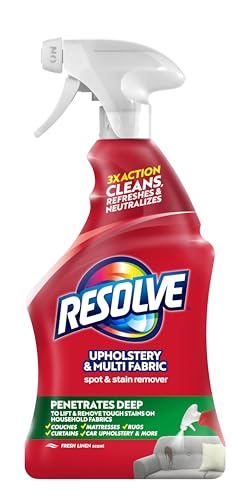
- upholstery stain remover spray vinegar safe fabric couch
- furniture cleaning brush set for fabric sofa upholstery
- portable handheld steam cleaner for fabric upholstery


Before You Start
Before cleaning, remove cushions and vacuum the surface to lift loose dirt. Perform a spot test in an inconspicuous area (like the inside arm or a hidden seam) to ensure no color bleeding or fabric damage occurs. If testing shows no adverse reaction, proceed with care. Plan for an area with good airflow and allow fabrics to dry fully to prevent mildew.
Safety notes: vinegar is a mild acid and can affect some finishes. Do not saturate the fabric; use light, even strokes. Do not use on silk, satin, or velvet without manufacturer guidance.
Estimated time: 20–60 minutes for a standard sofa, plus additional drying time if the fabric is heavily soiled.
Step-By-Step: How To Clean A Fabric Sofa With Vinegar
- Vacuum the entire surface, including cushions and seams, to remove loose dust and hair.
- Fill a 16 oz spray bottle with a solution of equal parts white vinegar and water for a gentle cleansing mix.
- Lightly mist the fabric from a distance of 6–8 inches, focusing on stained or heavily soiled areas. Do not oversaturate.
- Gently blot with a microfiber cleaning cloth to lift soil and lift moisture from the surface. Use a circular motion for stubborn spots.
- For tougher stains, apply a small amount of upholstery stain remover spray vinegar safe fabric couch and work it into the fabric with a brush from the furniture cleaning brush set for fabric sofa upholstery.
- Use a portable handheld steam cleaner for fabric upholstery on a low-heat setting to rinse and lift remaining residue, paying attention to seams and crevices. Do not steam dry the fabric; allow air drying.
- Blot again with a clean microfiber cloth to remove any remaining moisture. Flip and rotate cushions to ensure even drying.
- Allow the sofa to air-dry completely before use. If needed, speed up drying with a fan or open windows.
- Once dry, brush the fabric lightly with the brush from the set to restore the nap and texture.
- Perform a light vacuum after drying to remove any loosened fibers or dirt brought up during cleaning.
Troubleshooting
| Symptom | Likely Cause | Fix | Prevention |
|---|---|---|---|
| Faint vinegary odor lingers | Residual moisture and vinegar smell | Air-dry longer; sprinkle baking soda lightly, then vacuum after a few hours | Use minimal mist and ensure thorough drying |
| Water spot shows after cleaning | Over-wetting or uneven drying | Blot immediately with a dry cloth; re-blot with light pressure | Work in small sections and avoid over-saturation |
| Color transfer or fading | Colorfastness failure in dye or fabric | Spot test first; if fading occurs, stop using vinegar on that area | Check manufacturer guidance for the specific fabric |
| Persistent stains after cleaning | Deep-set stain or incorrect pre-treatment | Re-apply vinegar solution with stain remover following product directions | Address stains promptly; avoid heat that can set stains |
Common Mistakes
- Using straight vinegar without dilution on delicate fabrics
- Soaking cushions or padding rather than the fabric surface
- Rubbing harshly, which can fray fibers
- Skipping a spot test and seeing unexpected color changes
- Using a steam cleaner on overly wet fabric, which can cause mold
Tips For Best Results
- Always test on a hidden area first to verify colorfastness.
- Use a light mist and work in small sections for controlled cleaning.
- Combine vinegar with a dedicated upholstery spray for heavy soils when safe for the fabric.
- After cleaning, run a gentle brush over the nap to restore texture.
- Avoid mixed cleaners that may react unpredictably with vinegar.
Call A Professional
Seek professional help if the sofa shows any of the following signs: permanent staining that resists multiple cleanings, irreversible color fading, significant dye transfer from dyes, or fabric weeping or wrinkling after cleaning. Also contact a pro if the fabric is antique, delicate, or labeled dry-clean-only.
FAQ
Is vinegar safe for all fabric types?
Vinegar is generally safe for many cotton, polyester, and synthetic blends, but it can affect certain natural fibers. Always spot test first and consult the fabric care label.
Can I use vinegar to remove odors from a fabric sofa?
Yes, vinegar helps neutralize odors. Use a light spray and allow ample drying time. For persistent odors, repeat as needed and consider baking soda during the drying phase.
Should I use soap with vinegar for cleaning?
In most cases, a simple vinegar-water mix suffices. Adding a small amount of mild dish soap can help with very greasy spots, but rinse thoroughly to avoid soap residue.
How long does vinegar cleaning take to dry?
Drying time depends on fabric thickness and ventilation, typically 1–6 hours. Open windows or use a fan to speed up drying.
Can I use a steam cleaner after vinegar cleaning?
Yes, a steam cleaner at low heat can help lift soil, but avoid excessive moisture and follow the fabric manufacturer’s guidelines.
Buying Guide
The right cleaning approach for a fabric sofa blends effectiveness, safety, and practicality. When selecting vinegar-based cleaning tools and related products, consider size, noise, energy use, controls, and placement in the home.
Key buying factors
- Size and capacity: Choose a spray bottle with an easy-grip design and a cap that prevents leaks, especially when stored in a closet or near living spaces.
- Stain removal options: Look for an upholstery stain remover spray that is labeled vinegar-safe for your fabric type and colorfastness.
- Cloth quality: Microfiber cloths are durable, lint-free, and effective for blotting and lifting soils without abrasion.
- Brush set versatility: A furniture cleaning brush set with both soft and stiff bristles helps with nap restoration and tougher soils.
- Steam cleaning compatibility: A portable handheld steam cleaner can supplement vinegar cleaning but ensure it has adjustable heat and a precise nozzle for fabric furniture.
- Power and energy use: Handheld devices should be efficient with simple controls to avoid over-wetting fabrics.
- Placement and storage: Keep cleaning tools within reach of frequent-use areas, but away from heat sources and direct sunlight to preserve fabric integrity.
- Maintenance and care: Replace cloths as they wear, and clean spray nozzles regularly to prevent blockages.
- Safety features: Look for leak-proof bottles and non-slip spray triggers to prevent accidents in households with kids and pets.
Thinking about the best setup? A simple system combines a 16 oz spray bottle of vinegar cleaner, microfiber cloths, a tackling brush, and a handheld steamer. This setup helps address daily spills and routine refreshes without heavy chemical use. Ready to refresh your fabric sofa? Start with a spot test and a gentle approach, then add tools as needed for deeper stains.