Egg crate foam dog beds offer comfortable contouring for pets, but cleaning them can be tricky due to absorbent foam layers and removable covers. This guide explains a practical, pet-safe method to refresh an egg crate foam bed, remove odors, and extend its life.
Quick Answer
Remove the cover and vacuum the bed, spot-clean stains with a mild detergent, then rinse and air-dry. For deep cleaning, use a pet-safe enzyme cleaner on the foam, followed by a light steam clean if the foam tolerates moisture. Always ensure the bed is completely dry before reuse.
What You’ll Need
- Enzyme cleaner for pet beds foam
- Vacuum with upholstery attachment for pet bed
- Soft scrub brush for foam padding
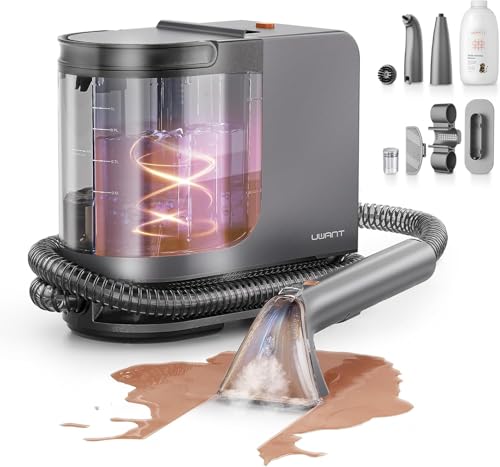
- Pet-safe steam cleaner for upholstery
- Mild detergent for washing foam pet beds


Before You Start
Check the bed’s care label and foam type. Egg crate foam can vary in density, and excessive moisture may lead to mold. Always test cleaners on a small hidden area first. Work in a well-ventilated space and protect floors with a towel or mat. Time estimate: 60–120 minutes for a full refresh, including drying time. Avoid soaking the foam and never use hot water, which can damage foam integrity.
Step-By-Step: How To Clean An Egg Crate Foam Dog Bed
- Remove the outer cover and wash it separately according to its label instructions. Use a mild detergent if washing by hand or machine-safe cycle if allowed.
- Vacuum the entire surface of the egg crate foam with an upholstery attachment to remove hair, dust, and loose debris.
- Spot-treat any stains with a small amount of mild detergent mixed with water. Gently blot rather than rub to avoid grinding stains deeper into the foam.
- Apply a thin layer of enzyme cleaner for pet beds foam to areas with odors or urine traces. Let it sit per product directions to break down organic compounds.
- Lightly scrub the foam with a soft scrub brush, focusing on the cradling ridges where dirt accumulates. Do not over-wet the foam.
- Rinse gently using a damp cloth to remove cleaner residues. You may use a pet-safe steam cleaner for upholstery to help sanitize, but avoid overly saturating the foam.
- Allow the bed to air-dry completely in a well-ventilated area. Flip and rotate the foam to promote even drying; avoid direct heat sources.
- Reassemble by placing the dry foam back into the cover. If seams show wear, consider a repair or replacement option to prevent future moisture intrusion.
- Inspect after drying for any lingering odors; repeat enzymatic treatment if necessary and re-dry before reuse.
- Offer a few days of light use to ensure no damp spots and to verify the bed remains comfortable for your pet.
- Optional: brushing the foam lightly with a clean brush can restore some loft after drying, especially for crushed egg crate foam.
Troubleshooting
| Symptom | Likely Cause | Fix | Prevention |
|---|---|---|---|
| Persistent odor after cleaning | Insufficient enzyme action or incomplete drying | Reapply enzyme cleaner and extend drying time; use air movement to speed evaporation | Address spills promptly; keep a removable cover clean and washable |
| Foam remains damp after air-drying | Foam retained moisture | Increase ventilation, use a fan, and flip every few hours until fully dry | Avoid soaking; blot excess moisture before air-drying |
| Stubborn stains reappear | Stain penetrated deeply into foam | Spot-treat with enzyme cleaner again and gently scrub | Attend to spills immediately; use a waterproof liner or cover |
| Foam feels crumbly or degraded | Age of foam or harsh cleaning | Limit immersion; consider replacing the foam or bed if integrity is compromised | Follow manufacturer guidelines; moisturize or condition only with approved products |
Common Mistakes
- Soaking the foam or using hot water, which can warp or degrade egg crate foam.
- Forgetting to remove all detergent residues, leaving sticky surfaces for pets.
- Over-wetting during steam cleaning, causing slow or uneven drying.
- Neglecting to dry the inner foam fully before reusing the bed.
Careful planning and patience yield a fresher bed and a happier pet. The combination of a vacuum, mild detergent, enzyme cleaner, and optional steam clean can address most odors and soils without harming the foam.
Tips For Best Results
- Use a removable, washable cover to simplify routine cleaning.
- Test cleaners on a tiny hidden area first to avoid discoloration.
- Ventilate well and keep the bed out of direct sun during drying to preserve foam integrity.
- For urine odors, treat the stain within 24 hours for best results with enzyme cleaners.
- Schedule periodic cleanings to prevent buildup of hair and grime in the egg crate’s valleys.
Call A Professional
Consult a professional if the bed has persistent odors that refuse to lift after multiple cleanings, visible mold growth, or if the foam shows cracking, tearing, or excessive crumbling. Seek a pro if you’re unsure about using steam cleaning on foam or if the bed is a high-value orthopedic model requiring specialized care.
FAQ
Can I machine-wash an egg crate foam bed?
Only if the cover is removable and machine-washable. Do not machine-wash the foam itself unless the manufacturer approves it.
Is steam cleaning safe for egg crate foam?
Pet-safe steam can help sanitize, but use it sparingly and avoid soaking the foam. Test a small area first.
What is the best cleaner for pet bed foam?
A mild detergent for washing foam pet beds, followed by an enzyme cleaner for odors, works well for most cases.
How long does it take for the bed to dry?
Drying time varies by room conditions but typically ranges from 4 to 24 hours. Use air movement to speed up the process.
How often should I clean an egg crate foam bed?
Clean monthly or as needed for odors and visible grime; more frequent cleaning may be needed for households with shedding pets or accidents.
What if I still smell urine after cleaning?
Reapply enzyme cleaner and ensure thorough drying. Persistent odors may require replacement of the foam or additional protective covers.
Buying Guide
When choosing a dog bed with egg crate foam, consider key factors that influence cleaning, durability, and comfort.
Size
Match the bed dimensions to your dog’s breed and sleeping habits. A snug fit helps reduce movement and soil spread, while larger beds offer more space for cleaning access.
Noise Level
Egg crate foam beds are quiet by design, but any removable covers or under-foam layers should be checked for crinkle sounds during movement.
Energy Efficiency
Not directly applicable to cleaning, but energy-efficient cleaning methods (like using a standard vacuum and air-drying) reduce electricity use during maintenance.
Controls
Simple, user-friendly covers and removable liners simplify cleaning. Look for covers with easy zippers and machine-wash compatibility.
Placement
Place the bed in a dry, airy area to speed drying after cleaning. Avoid basements or rooms with high humidity until the bed is fully dry.
Materials And Durability
Choose high-density egg crate foam that resists flattening and wears evenly. Verify that the foam is compatible with mild detergents and enzyme cleaners.
Maintenance Compatibility
Opt for a bed with a washable, non-porous cover and foam that tolerates light steam cleaning or spot cleaning as needed.
With these considerations, owners can select a bed that remains comfortable for pets and easier to keep clean over time.