Blueberry stains can be stubborn on upholstery, carpets, and clothing. This guide outlines practical, step-by-step methods using common household products and targeted stain removers to restore fabrics and surfaces to their pre-stain condition. A careful approach that combines pre-treatment, mechanical agitation, and thorough rinsing yields the best results.
Quick Answer
Act quickly: blot, pre-treat with a color-safe stain remover, then wash or extract with an oxygen-based stain remover powder. For fabrics and upholstery, use a stain scrub brush to work in the cleaner, then blot and rinse until the stain lightens or disappears.
What You’ll Need
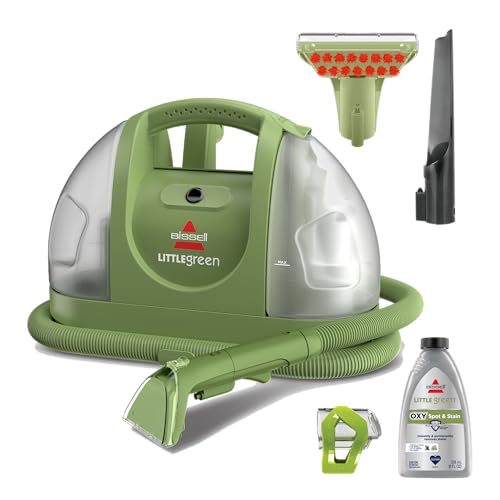
- Carpet cleaner machine for blueberry stains portable
- Oxygen-based stain remover powder laundry blueberry
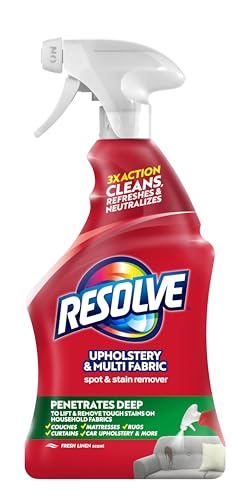
- Color-safe stain remover spray fabric upholstery
- Stain removing laundry prewash spray blueberry stains
- Stain scrub brush for fabric upholstery

Before You Start
Assess the fabric or surface: synthetic fibers, natural fibers, carpet pile, and upholstery each respond differently to cleaners. Always test a hidden area first for colorfastness and fiber safety. For any lingering dye or delicate fabrics, rely on professional cleaning.
Key cautions: avoid heat until stains are fully removed as heat can set blueberry pigments. Use cold or lukewarm water first, then adjust if the stain lightens. If the stain covers a large area, work in sections to prevent overwetting and dye bleed.
Time estimate: 20–60 minutes for initial treatment, followed by machine washing or air drying as applicable. For heavily stained carpets or upholstery, repeat treatments as needed with adequate drying time between passes.
Step-By-Step: How To Remove Blueberry Stains
- Blot the excess with a clean, dry cloth or paper towel. Do not rub, which can push pigment deeper into fibers.
- Apply prewash spray blueberry stains to the affected area and let sit for 5–10 minutes to loosen the pigment strands.
- Use an oxygen-based stain remover powder following the product directions. Dissolve the powder in lukewarm water and apply a thin paste to the stain for fabrics; for carpets, use a small amount with a carpet cleaner machine.
- Gently agitate with the stain scrub brush for fabric upholstery to lift embedded dye. Move in circular motions to avoid fraying fibers.
- Rinse with clean water or run the carpet cleaner on the area to extract the loosened pigment and cleaner along with moisture from the fabric or carpet.
- Inspect the area for remaining color. If a trace remains, repeat steps 2–5 once more before drying.
- <b{Clean fabric upholstery} Apply color-safe stain remover spray to the fabric and follow a brief dwell time, then blot and rinse. Reapply if needed and allow to air dry.
- Air dry completely before using the item or placing it back in its usual location to prevent new stains from setting.
- For carpets move the portable carpet cleaner slowly to maximize extraction; allow the carpet to dry completely before walking on it again.
- Finalize with a fresh rinse if any residues remain, using clean water in the machine or a clean damp cloth to remove cleaner traces.
- Repeat as necessary for stubborn stains, avoiding over-wetting and over-saturating fabrics.
- Prevent future stains apply a protective fabric shield or stain-resistant treatment if appropriate for the material.
Troubleshooting
| Symptom | Likely Cause | Fix | Prevention |
|---|---|---|---|
| Stain remains after first pass | Pigment set or deep dye | Repeat prewash spray, oxygen-based powder, and gentle agitation | Treat immediately; avoid rubbing |
| Discoloration or fading | Overly harsh cleaners or heat exposure | Switch to color-safe sprays, avoid hot water | Test area first, use cold water |
| Streaks after drying | Uneven extraction | Re-wet lightly and extract evenly with machine | Work in sections |
| Fabric texture rough after cleaning | Over-saturation or residue | Rinse thoroughly until no suds remain | Use minimal cleaner per area |
| Smell persists | Organic stain residue | Repeat with fresh cleaner and ensure complete drying | Ventilate area during drying |
Common Mistakes
- Waiting too long to treat a blueberry stain
- Using hot water on fresh stains
- Rubbing aggressively, which spreads pigment
- Skipping a test patch on delicate fabrics
- Over-wetting carpets or upholstery, leading to longer drying times
Tips For Best Results
- Always blot first; never rub, especially on upholstery.
- Choose an oxygen-based stain remover powder for reliable blueberry stain lifting.
- For fabrics, start with a color-safe stain remover spray and follow with brushing.
- Use a portable carpet cleaner for larger areas to extract moisture and pigment efficiently.
- Line up a quick follow-up treatment to prevent dye from re-setting during drying.
Call A Professional
Consider a professional cleaning service if the stain covers a large area, recurs after multiple attempts, or involves delicate fabrics like silk or wool. Signs to seek help include persistent dye on high-value items, color bleeding onto nearby textiles, or fabrics that show color loss after cleaning.
FAQ
Can blueberry stains be removed from white cotton?
Yes, white cotton typically responds well to oxygen-based stain removers and cold-water rinses, but a patch test is still advised.
Is heat safe to use after pre-treating a blueberry stain?
Generally no until the stain is fully removed; heat can set remaining pigment.
Will color-safe spray work on carpet fibers?
Yes, applied according to product directions, then gently agitated and rinsed or extracted as needed.
How long should I wait after applying stain remover before washing?
Follow the product label, but typically 5–15 minutes for prewash spray and 5–10 minutes for oxygen-based powders.
Can I use a regular laundry detergent instead of stain remover?
Detergents help, but stain removers designed for blueberry stains provide stronger pigment lift and safer fabric interaction.
What if the stain reappears after drying?
Repeat the treatment steps, ensuring the area dries fully between attempts, and consider a second pass with higher-cleaning concentration if advised by product instructions.
Buying Guide
When selecting products to tackle blueberry stains, consider size, coverage, and material compatibility. A portable carpet cleaner machine for blueberry stains portable is useful for larger areas, while stain remover powders and sprays offer flexibility for fabrics and upholstery. Key buying factors include:
- Size and coverage: Choose a cleaner or powder size that suits the typical stain area you encounter—smaller spaces can rely on sprays, while larger rooms benefit from portable cleaners.
- Material compatibility: Ensure the product is safe for your fabric type and carpet fiber to avoid color loss or texture damage.
- Enzyme vs. oxygen-based formulas: Oxygen-based powders lift organic stains effectively; enzyme-based formulations work well on protein-rich stains but may require longer dwell times.
- Color-safety: For upholstery and mixed fabrics, color-safe sprays reduce the risk of color transfer while cleaning.
- Control and ease of use: Look for simple spray bottles, prewash sprays, and easy-to-operate carpet cleaners for consistent results.
- Drying time: Some products require longer dwell times; consider items with quick-dry formulas for busy households.
- Placement considerations: You may need targeted spot treatments on couches, chairs, or car upholstery; plan for easy access to the stained area.
By matching the cleaning method to the fabric and stain size, consumers can choose effective solutions without overspending. If doubt remains, start with a small patch and scale up the treatment as needed. For ongoing stain challenges, consider combining tools—a stain remover spray for spot treatment alongside a portable cleaner for extraction.