Keeping duvet inserts clean is essential for hygiene and longevity. This guide provides practical steps for home washing, drying, and maintenance, using common household tools and specialized gear to handle bulky bedding without damage.
The following approach focuses on large or heavy inserts, common in American bedrooms, and aims to minimize wear while ensuring thorough cleaning. Readers will find actionable steps, troubleshooting tips, and decision points to decide when to call a professional.
Quick Answer
Most duvet inserts can be freshened at home with a front load washer, a duvet washing bag for protection, and a low-heat tumble dryer. Use heavy-duty dryer balls to maintain loft, and keep loads balanced. If the insert is oversized, a large capacity machine or professional cleaning may be necessary.
What You’ll Need
- Duvet washing bag mesh laundry bag
- Large capacity front load washing machine for bulky bedding
- Heavy-duty dryer balls for bulky blankets and duvets
- Low heat tumble dryer settings for duvet inserts
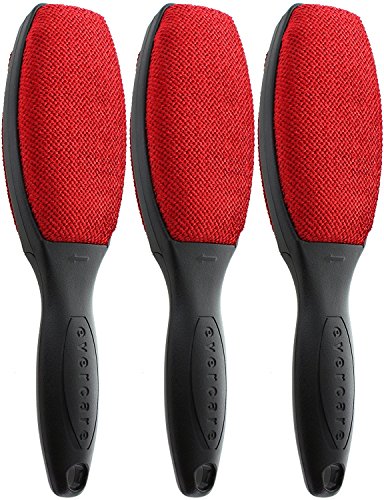
- Bulky bedding lint roller and fabric cleaning tools kit

Before You Start
Prepare a clean, clear workspace and ensure the washer and dryer are in good working order. Check the duvet tag for washing instructions and water temperature guidance. Pre-treat any stains with a gentle, fabric-safe stain remover. Safety note: never overload the machines and avoid hot water for delicate fabrics unless specified.
Time estimates vary by insert size: expect 1–2 hours for washing and 40–60 minutes for drying, plus extra time for air drying if needed. Critical cautions: Do not use bleach on down or feather-filled inserts unless the care label permits; ensure bedding is evenly distributed in the drum to prevent unbalanced spins.
Step-By-Step: How To Clean A Duvet Insert
- Place the duvet insert inside the duvet washing bag to protect outer fabric and seams during washing.
- Load the bagged duvet into the large capacity front load washing machine for bulky bedding, ensuring the drum is not overloaded.
- Choose a gentle detergent suitable for delicate fabrics; select a cold wash cycle with a thorough rinse to remove soap residue.
- Optionally run a second rinse if you notice soap buildup, especially for heavy fills like down or feather.
- Remove the duvet from the bag and check for any remaining stains; if necessary, repeat steps with a targeted stain treatment.
- Transfer the duvet to the dryer using low heat tumble dryer settings for duvet inserts, and add heavy-duty dryer balls for bulky blankets and duvets to keep loft and promote even drying.
- Run a full drying cycle, checking periodically for damp spots; if needed, add extra time on low heat until fully dry.
- Once completely dry, fluff the duvet by hand or with the dryer’s air-only setting for a few minutes to restore loft.
- Inspect for any shrinkage or clumping; if found, run a light wash and tumble dry again with dryer balls to re-fluff.
- Store in a dry, breathable area and avoid compacting for long periods to maintain insulation and loft.
Troubleshooting
| Symptom | Likely Cause | Fix | Prevention |
|---|---|---|---|
| Duvet still damp after drying | Overloading or insufficient dryer time | Run a second short cycle on low heat | Dry in smaller loads; use dryer balls |
| Clumping or uneven loft | Under-drying or poor distribution | Sort and run an extra cycle; loosen with hands | Add dryer balls and shake duvet occasionally during cycle |
| Fading color or fabric wear | Harsh detergent or hot water | Switch to a mild detergent; wash on cold | Follow care label; pre-test dye-fastness on inconspicuous area |
| Stains remain after wash | Pre-treatment insufficient | Re-treat with a gentle stain remover and rewash | Address stains promptly |
Common Mistakes
- Washing a duvet insert without a protective bag, causing insulation fibers to bunch and wear seams
- Overloading the washing machine, leading to poor cleaning and longer rinse cycles
- Using high heat in the dryer, which can damage down, feathers, or fabric
- Skipping thorough drying, which can trap moisture and cause mildew
- Neglecting to aerate loft after drying, resulting in lumpy or compacted areas
Tips For Best Results
- Always check the care label before washing; some down or feather inserts require professional cleaning.
- Use a front-loading washer rather than a top-loader to reduce agitation and protect fabric.
- When possible, wash with a compatible detergent designed for down or bulky bedding.
- Place a few clean towels in the drum to balance the load and aid rinsing.
- Periodically refresh the duvet with a light sun exposure to help deodorize and air out fibers.
Call A Professional
Consider professional cleaning if the duvet insert is exceptionally large, heavily soiled, has persistent odors, or contains delicate fillings like natural goose down. Signs to seek help include persistent dampness after multiple drying attempts and repeated shrinking after washing.
FAQ
Can I wash a duvet insert in a standard home washer?
Most standard machines can handle it if the duvet fits comfortably and you follow gentle settings; otherwise, use a large capacity front load washer specifically designed for bulky bedding.
Is it safe to use a dryer for duvet inserts?
Yes, on a low heat setting with dryer balls to maintain loft and prevent clumping.
How do I prevent smells after washing?
Ensure complete drying, use a breathable storage method, and air out periodically.
What if my duvet is too big for my machine?
Consider a professional service or a bulk laundry plan, or break the load into multiple washes if the insert can be safely separated into sections by care label guidance.
Should I use fabric softener?
Limit or avoid fabric softeners on some duvet fills, as they can reduce loft and breathability; check the care label.
Can I air-dry a duvet instead of using a dryer?
Air-drying is possible but takes longer; ensure full air flow and occasional fluffing to prevent mold and stiffness.
Buying Guide
When choosing products related to duvet cleaning, consider size, performance, and compatibility with bulky bedding. A duvet washing bag mesh laundry bag helps protect fabrics during washing, while a large capacity front load washing machine for bulky bedding ensures even cleaning without overstressing the drum. For drying, a setup that supports low heat tumble dryer settings for duvet inserts with heavy-duty dryer balls for bulky blankets and duvets improves loft and reduces drying time. A practical bulky bedding lint roller and fabric cleaning tools kit helps remove lint and hair before and after washing. Consider the insert size, fill type, and cleaning frequency when planning a routine. If space is limited, choose compact, high-efficiency options with appropriate cycles. Noise level is a factor in shared spaces, so look for appliances with quiet operation and balanced performance. Energy efficiency matters for ongoing costs, so compare energy usage and cycle options. Controls should be straightforward, with clear indicators for wash and dry cycles. Placement of laundry equipment should allow easy access to filters and lint screens, plus adequate ventilation in the laundry area.