Air mattresses are convenient for guests, camping, and temporary sleeping arrangements, but keeping them clean requires a few practical steps. This guide walks American readers through a safe, effective cleaning routine that maintains comfort and extends the life of the mattress.
Whether you’re dealing with spills, odors, or general dust, a methodical approach helps prevent damage to the air chambers and fabric. The following steps outline a careful process that uses common tools and products to clean without leaving residues or moisture traps.
Quick Answer
What to do in a pinch: remove the topper, gently vacuum the surface, treat stains with a fabric stain remover spray, wipe with a microfiber cloth lightly dampened with a fabric sanitizer spray, and allow to air dry completely before reinflating. For tough spots, a steam cleaner can be used on low heat, keeping the nozzle at a safe distance and avoiding over-wetting.
What You’ll Need
- Handheld vacuum for mattress cleaning
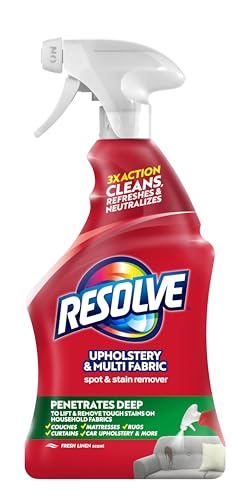
- Fabric stain remover spray for furniture and mattresses
- Fabric sanitizer spray for mattress cleaning
- Microfiber cleaning cloths for upholstery and mattress care
- Steam cleaner for mattresses and fabric surfaces


Before You Start
Prepare a clean, dry workspace and ensure the room is well-ventilated. Unplug all air pipes or pumps before cleaning to avoid accidental activation. Remove any bed linens or covers and inspect the mattress surface for punctures or seams that may leak. Test cleaning products on a small, inconspicuous area to confirm there is no discoloration. Time estimate: 20–40 minutes for a standard queen or full mattress; longer if multiple cleaning passes are needed.
Safety note: avoid saturating the fabric, which can seep into the air chambers and cause damage. If the air mattress uses a built-in pump, keep moisture away from the control unit and outlets. Always allow the mattress to dry completely before reinflation to prevent mold growth.
Step-By-Step: How To Clean An Air Mattress
- Remove all linens and toppers, and set them aside for separate washing.
- Gently vacuum the entire surface with a handheld mattress vacuum to lift dust, skin cells, and crumbs. Run the vacuum slowly for thorough pickup.
- Deal with stains using a fabric stain remover spray for furniture and mattresses. Lightly mist the stained area and blot with a microfiber cloth, working from the outside edge toward the center to prevent spreading.
- Apply a fabric sanitizer spray for mattress cleaning in a fine mist to the surface. This helps neutralize odors and reduce surface microbes without soaking the fabric.
- For persistent spots, reapply the stain remover and gently scrub with a microfiber cloth in a circular motion, then wipe away any residue with a clean, slightly damp cloth.
- Use a steam cleaner on a low heat setting, keeping the nozzle several inches from the fabric. Move slowly to avoid over-wetting and to sanitize without saturating the mattress.
- Allow the mattress to air dry completely in a well-ventilated area. If possible, place it near a window or use a fan to speed up drying. Do not reinflate until fully dry.
- Once dry, re-cover with sheets and toppers, re-inflate gradually, and inspect for any damp spots after inflation.
- Perform a light final wipe with a clean microfiber cloth to remove any remaining moisture or cleaner residue.
- Store or return the air mattress to service once all components are dry and free of moisture buildup.
- Establish a routine cleaning schedule to prevent buildup and odors from becoming embedded in the fabric.
- Keep a small cleaning kit handy for quick spills and routine maintenance between uses.
Troubleshooting
| Symptom | Likely Cause | Fix | Prevention |
|---|---|---|---|
| Visible moisture or damp patches after cleaning | Over-wetting the fabric | Blot excess moisture immediately and improve airflow | Use minimal liquid and ensure thorough drying |
| Persistent odor after cleaning | Trapped moisture or soil underneath surface | Ventilate longer and re-clean affected area | Regular preventive cleaning and air-drying |
| Stains reappearing post-cleaning | Deep-set stains | Repeat stain treatment with appropriate spray | Spot-treat stains promptly |
| Fabric fibers fraying after cleaning | Rough scrubbing or harsh cleaners | Switch to gentler cloths and milder products | Avoid abrasive motions and strong cleaners |
| Air mattress leaks after cleaning | Water entering seams | Inspect seams, dry promptly, and test for leaks | Careful handling during cleaning |
Common Mistakes
- Over-wetting the mattress, which can damage the interior air chambers.
- Using harsh cleaners that leave residues or discolor fabric.
- Failing to dry completely, leading to mold or mildew growth.
- Directly applying steam too close to the surface, causing fabric distortion.
- Ignoring punctures or leaks while cleaning, allowing them to worsen over time.
Following careful steps and using appropriate products helps maintain both cleanliness and structural integrity of the air mattress.
Tips For Best Results
- Perform a quick vacuum before any wet cleaning to remove loose debris.
- Test cleaners on a hidden area to avoid color transfer or fabric damage.
- Work in a well-ventilated space to speed evaporation and reduce chemical odors.
- Keep cleaning sessions brief and focused on one section at a time to prevent over-wetting.
- Use microfiber cloths for gentle cleaning and effective absorption.
Call A Professional
Consider contacting a pro if the air mattress shows signs of structural damage, persistent mold growth, or leaks that cannot be located and repaired. Stop cleaning and seek expert assessment if you detect strong chemical odors, extensive staining, or delamination of the fabric. Professionals can ensure safe cleaning without compromising air-sealing integrity.
FAQ
Can I clean an air mattress with household cleaners?
Yes, but use mild, fabric-safe cleaners and test a small area first to prevent discoloration.
Is steam cleaning safe for air mattresses?
Steam can be effective but should be used on low heat and kept at a safe distance to avoid soaking the fabric or damaging the air chambers.
How long should an air mattress dry after cleaning?
Typically 2–6 hours depending on room airflow and humidity; ensure it is completely dry before reinflating.
What should I do about odors that return after cleaning?
Repeat cleaning with fabric sanitizer spray and improve ventilation to prevent lingering smells.
Buying Guide
When selecting an air mattress and caring supplies, consider size, ease of cleaning, and drying speed. Look for models with durable, waterproof fabrics and well-sealed seams to minimize maintenance. For cleaning, choose tools that fit your routine:
- Size and fit: Choose an air mattress size that matches your sleep space and guests’ needs; larger sizes may require more storage and longer drying times.
- Surface materials: Fabric types influence how cleaners interact with the surface; microfiber cloths work well on most fabrics.
- Cleaning power: A handheld vacuum reduces surface debris without heavy attachments, while a steam cleaner provides deep cleaning with sanitizing benefits.
- Odor control: Fabric sanitizer sprays help neutralize odors; consider enzyme-based cleaners for organic stains.
- Portability and storage: Consider models that roll up easily and dry quickly after cleaning in small spaces.
Evaluating these factors helps ensure the air mattress stays clean, fresh, and ready for use. Do not overlook proper drying and storage routines, which protect both hygiene and longevity.