Duck boots are a versatile American staple for wet and muddy conditions. Regular cleaning helps extend their life, maintain traction, and preserve their waterproofing. This guide outlines practical steps, tool recommendations, and common-sense care to keep duck boots looking and performing their best.
The process combines basic cleaning, conditioning, drying, and protective measures. By following these steps, users can minimize odors, prevent cracking, and avoid premature wear on both rubber bottoms and leather uppers.
Quick Answer
Brush off loose dirt with a stiff bristle duck boot cleaning brush, rinse with mild soap and water, dry thoroughly with a boot dryer, treat leather parts with a rubber boot cleaning sponge conditioner, and apply waterproofing spray for leather when needed. Keep boots elevated while drying to prevent moisture damage.
What You’ll Need
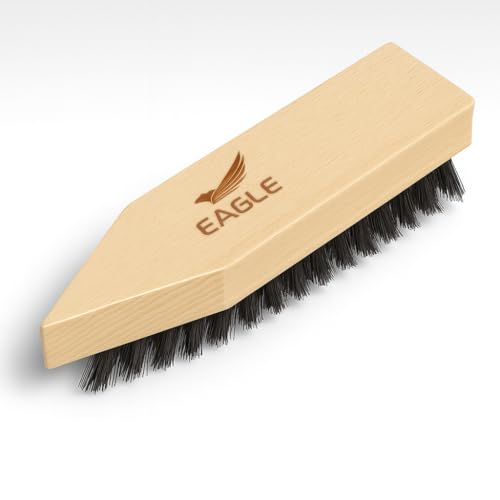
- Duck boot cleaning brush stiff bristle
- Water and mild soap or specialized boot cleaner
- Boot cleaning kit brush cleaner
- Boot dryer for winter boots or a clean, dry area with airflow
- Rubber boot cleaning sponge conditioner
- Waterproofing spray for duck boots leather


Before You Start
Inspect boots for tears or separation between rubber and leather. If you notice significant damage, repair or professional assessment may be needed first. Work in a well-ventilated area and avoid prolonged exposure to direct heat. Allow ample drying time to prevent mold and odor buildup. Use gentle cleaning products to preserve waterproof coatings and leather finish.
Step-By-Step: How To Clean Duck Boots
- Loosen soil by tapping the boots together and brushing away surface dirt with a stiff bristle duck boot cleaning brush.
- Mix warm water with a small amount of mild soap or boot cleaner in a basin to create a gentle cleaning solution.
- Dip the brush into the solution and scrub the rubber lower sections, soles, and tread to dislodge embedded grime.
- Wipe leather uppers with a damp cloth to remove surface dirt. For stubborn spots, use a damp sponge or the rubber boot cleaning sponge conditioner carefully on the leather edges.
- Rinse the boots with clean water to remove soap residue. Avoid soaking the leather portion for prolonged periods.
- Pat dry with a clean towel and place boots on a boot dryer for winter boots or a rack in a well-ventilated area.
- When leather is dry, apply a conditioner specifically designed for leather components to maintain suppleness and prevent cracking.
- After conditioning, apply a waterproofing spray for duck boots leather to restore water repellency. Follow product directions for number of coats and drying time.
- Check laces and eyelets; replace or clean as needed, ensuring a snug fit for the next outing.
- Store boots in a cool, dry place away from direct heat. Elevate heels slightly to promote airflow and prevent odor buildup.
- Re-inspect periodically, especially after heavy use or exposure to salt, mud, or winter conditions.
Troubleshooting
| Symptom | Likely Cause | Fix | Prevention |
|---|---|---|---|
| Sticky residue after cleaning | Residue from cleaners | Rinse thoroughly and re-dry | Use minimal soap and rinse well |
| Leather cracking or drying | Over-drying or harsh chemicals | Apply leather conditioner and avoid strong cleaners | Clean with mild products and maintain moisture |
| Water soaking through seams | Worn waterproofing | Reapply waterproofing spray for duck boots leather | Regular maintenance and post-wet exposure care |
| Persistent odor | Moisture buildup inside boots | Dry completely; consider odor absorbers | Dry after use; store in ventilated area |
Common Mistakes
- Using high-heat drying methods which can warp rubber or dry out leather
- Soaking leather portions for long periods, which weakens material
- Overloading with cleaners that leave residue and reduce waterproofing
- Neglecting to condition leather after cleaning, leading to stiffness
Tips For Best Results
- Clean boots soon after use to prevent mud from drying and sticking harder
- Test waterproofing sprays on a small, inconspicuous area first
- Use a dedicated boot dryer or airflow-friendly setup to speed up drying
- Label and store boots to avoid cross-contamination with other gear
Call A Professional
Consider professional service if the boots show deep cracking, peeling, or structural failure in the rubber shell or leather upper. Seek help if water leaks into the interior after cleaning or if the stitching around the outsole is compromised. Seek prompt evaluation for salt damage or severe odor that persists after routine care.
FAQ
How often should I clean duck boots?
Clean after heavy use or exposure to dirt, mud, or salt. A light cleaning every few uses helps maintain performance and longevity.
Can I put duck boots in the washing machine?
Most rubber and leather duck boots are not designed for machine washing. Hand cleaning with mild soap is recommended to avoid damage.
What’s the best conditioner for leather parts?
Use a conditioner designed for leather and specifically labeled for use with external leather trims on footwear.
How do I dry boots without deforming them?
Air dry in a well-ventilated area, preferably with a boot dryer. Avoid direct heat sources like radiators or sunlight.
Should I waterproof after every clean?
Waterproofing is beneficial after cleaning and conditioning, especially for leather components. Reapply as needed based on exposure.
Is salt damage a concern in winter?
Yes. Salt can corrode rubber and dry leather. Rinse promptly after exposure and reapply protective coatings.
What if the zippers or laces are damaged?
Replace or repair damaged laces and inspect zippers. Functional fasteners are essential for proper wear and water tightness.
Buying Guide
When selecting duck boots or related cleaning and care products, consider size, fit, and climate needs. A well-rounded kit should address cleaning, conditioning, and waterproofing, with appropriate tools for both rubber and leather components. Look for equipment that fits the boot’s usage, from light daily wear to rugged outdoor conditions.
Key buying factors include size compatibility with common American boot sizes, noise level of any motorized dryers if used indoors, and energy efficiency for any electric dryers. Controls should be simple and reliable, with visible indicators for drying or conditioning cycles. Placement should allow airflow around the boots, away from heat sources. Compare kits and tools for compatibility with leather uppers and rubber bottoms to ensure balanced care. Consider user reviews and warranty coverage for extended protection.