Dry erase markers are convenient for temporary notes, but accidents on fabrics can be frustrating. The following guide provides a practical, step-by-step approach to remove dry erase marker ink from clothing and other fabrics using common stain removers and household supplies.
Quick Answer
Treat quickly to maximize removal success. Blot, don’t rub, and test any cleaner on an inconspicuous area first. Use a combination of stain-removing products and gentle laundering to lift marker ink from fabric.
What You’ll Need
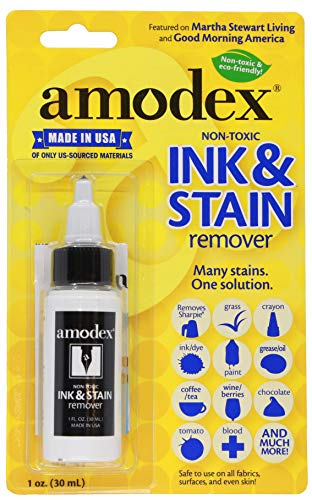
- Fabric stain remover pen marker ink
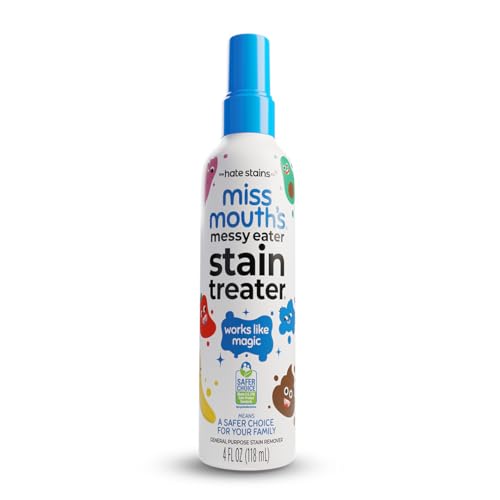
- Dry erase marker stain remover spray for fabric
- Ink stain remover brush for fabrics
- Laundry stain remover pen marker ink clothes
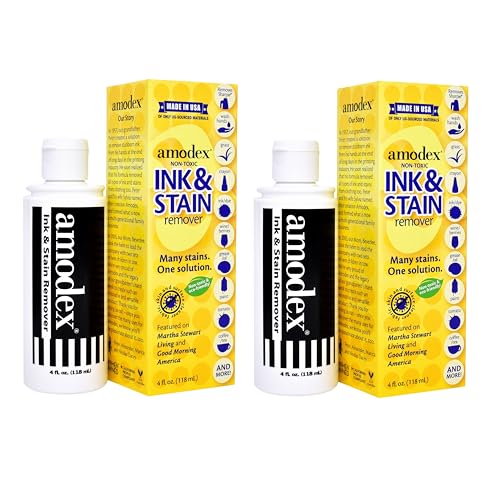
- Prewash fabric stain remover gel marker ink
Before You Start
Check the fabric type and care label. Pretreat stains on washable fabrics first; delicate materials may require extra care or professional cleaning. Avoid heat until the stain is gone, as heat can set ink. Work in a well-lit area and blot the stain with a clean cloth to remove excess ink.
Estimated prep time: 5–10 minutes. Active cleaning time: 10–20 minutes, plus regular washing. If a stain persists after washing, repeat treatments before drying.
Step-By-Step: How To Clean Dry Erase Marker From Fabric
- Lay the fabric flat and place a white cloth beneath the stained area to catch ink transfer.
- Blot the stain with a clean paper towel to remove excess marker without spreading it.
- Apply a fabric stain remover pen marker ink directly to the stain and let it sit for 5–10 minutes.
- Spray the dry erase marker stain remover spray for fabric over the treated spot and work in with a soft brush.
- Gently scrub with the ink stain remover brush for fabrics, focusing on the stain edges to loosen ink.
- Rinse with cold water from the back of the fabric to push ink out rather than through the surface.
- Apply a prewash fabric stain remover gel marker ink and rub lightly, then let it sit for 5 minutes.
- Launder the garment in the warmest water recommended on the care label using a high-quality laundry detergent.
- Check the stain before drying. If any ink remains, repeat the pretreatment and washing steps.
- Air dry or tumble dry on a low setting once the stain is fully removed to prevent heat setting.
- For stubborn marks, repeat with a different cleaner or consider a fabric-safe solvent test on an inconspicuous area.
Troubleshooting
| Symptom | Likely Cause | Fix | Prevention |
|---|---|---|---|
| Ink remains after first wash | Ink deeply set or colorfast to fabric | Repeat pretreatment with a different remover; extend dwell time | Treat promptly; pre-treat before laundering |
| Discoloration or fabric damage | Harsh cleaners or solvents | Switch to milder stain removers and test first | Use fabric-safe products and follow care label |
| Color transfer to other fabrics | Ink spreading during washing | Rinse thoroughly and wash separately the first time | Isolate stained items during treatment |
| Stain reappears after drying | Ink not fully removed | Re-treat and re-wash; avoid heat | Address immediately with multiple treatments |
Common Mistakes To Avoid
- Rubbing aggressively, which can push ink deeper into fibers.
- Using hot water before the stain is fully treated, which can set the ink.
- Applying solvents not labeled for fabrics without testing first.
- Skipping a rinse step, leaving residue that attracts more dirt.
Tips For Best Results
- Always test cleaners on a hidden area of the fabric first to avoid damage or color loss.
- Work from the outside of the stain toward the center to prevent spreading.
- Use cold or lukewarm water for rinsing; hot water can set markers.
- Patience matters: several short treatments may work better than one strong attempt.
- After successful removal, launder as usual and air dry to confirm complete stain removal.
Call A Professional
If the stain persists on delicate fabrics (silk, wool, rayon) or ornamental textiles, consider professional cleaning. Seek help when the fabric shows color bleed, texture change, or if a chemical cleaner seems to affect the fibers.
FAQ
Can dry erase marker stains be removed from all fabrics?
Most washable fabrics respond to pretreatment and laundering, but some delicate materials may require professional care.
Should I use hot water to remove the stain?
No. Hot water can set ink; use cold or lukewarm water and allow dwell time with cleaners.
Is it necessary to test cleaners before use?
Yes. Testing on a hidden area helps prevent color loss or fabric damage.
What if the stain resists after multiple attempts?
Consider alternative stain removers or professional cleaning, especially for valuable or delicate fabrics.
Buying Guide
When selecting products to treat dry erase marker stains on fabrics, consider stain removal effectiveness, fabric compatibility, and safety. Look for stain removers that specify fabric-safe formulas, spray or gel formats, and markers suitable for your clothing or upholstery. Consider a kit that includes a brush and multiple treatment types for flexibility. For households with mixed fabrics, choose products labeled for a broad range of fabrics and follow care labels carefully.
Key buying factors include size and ease of use, whether the product can target fresh and set-in stains, and whether it offers pretreatment options before laundering. Noise level is generally not a concern for spray bottles, but user-friendly spray patterns and brushes can improve results. Energy efficiency applies primarily to washing machines and dryers; pairing stain removers with efficient laundry routines saves time and water. Finally, ensure the product line includes options for both shirts and upholstery, so the same approach can be used across textiles.