Composite decking offers low maintenance compared to wood, but it still benefits from a thoughtful cleaning routine. This guide covers practical methods, safe products, and best practices to restore and maintain its appearance without damaging the surface.
Quick Answer
Use a non-bleach formula cleaner designed for composites, apply with a soft-bristle brush, and rinse thoroughly. For stubborn stains, a mold and mildew remover for composite decking can help, followed by a sealant if recommended by the manufacturer. Avoid harsh solvents and high-pressure streams that can scar the surface.
What You’ll Need
- Composite deck cleaner non-bleach formula — gentle but effective cleaning for composite surfaces
- Mold and mildew remover for composite decking — targets algae, mold, and mildew
- Soft bristle deck cleaning brush for composite decking — safe on textured surfaces
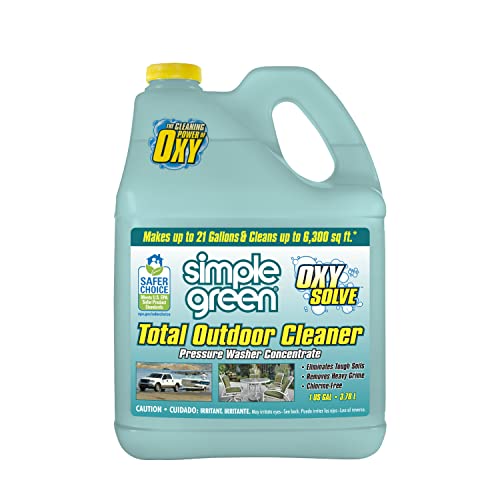
- Pressure washer safe composite deck cleaner concentrate — for tougher grime (follow manufacturer dilution and usage)
- Stain remover for composite decking — for heavy or colored stains


Before You Start
Prepare the area by removing furniture and sweep away loose debris. Perform a small test patch in a hidden area to verify that cleaning products do not discolor the surface. Wear protective gloves and eye protection. Work in shaded conditions if possible to prevent quick drying and streaks. Allow adequate dry time between steps if the surface is porous or textured.
Important cautions: never use bleach-based cleaners on certain composite materials unless explicitly approved by the manufacturer. Do not use metal brushes or stiff scrubbing pads that can scratch the surface. Avoid power washing at very close distances or at high pressure, as this can gouge or dull the deck finish.
Step-By-Step: How To Clean Composite Decking
- Clear the deck of all furniture and planters; sweep away leaves and dirt.
- Rinse the surface with a garden hose to remove loose debris and cool the deck before cleaning.
- Mix a composite deck cleaner non-bleach formula according to the product instructions in a bucket or spray container.
- Apply the cleaner evenly across a small section using a sprayer or brush, following the grain pattern of the deck boards.
- Use a soft bristle deck cleaning brush for composite decking to scrub gently, paying attention to textured or grooved areas where grime collects.
- For mold or mildew, apply mold and mildew remover for composite decking to affected spots and let it sit as directed, then scrub and rinse.
- Rinse thoroughly with a low-pressure spray, ensuring all cleaner residues are removed to prevent dulling or streaks.
- If stains persist, apply a stain remover for composite decking to the affected area, then rinse completely after the recommended contact time.
- Allow the deck to dry completely before repositioning furniture. Recheck for any missed spots and clean as needed.
Troubleshooting
| Symptom | Likely Cause | Fix | Prevention |
|---|---|---|---|
| Streaks after cleaning | Uneven application or residue | Reapply cleaner to streaked areas and rinse thoroughly | Keep a consistent cleaning pattern and rinse fully |
| Surface feels rough after cleaning | Over-brushing or abrasive cleaners | Switch to a softer brush and milder cleaner | Use recommended products only |
| Discoloration in shaded areas | Excess cleaner left to dry | Rinse promptly and avoid leaving cleaner on surface | Work in sections and rinse soon after applying |
| Mold returns quickly | High humidity or poor drainage | Address drainage and reapply mildew remover as needed | Improve airflow and sun exposure where possible |
Common Mistakes
- Using bleach-based cleaners on composites not approved by the manufacturer
- Scrubbing with metal brushes or using stiff pads that scratch the surface
- Relying solely on a hose without properly rinsing cleaner residues
- Applying cleaners in direct sun or in heat, causing rapid drying and streaking
Tips For Best Results
- Test cleaners in a small, inconspicuous area before full application.
- Work in shade and rinse thoroughly to prevent water spots and residue.
- Follow dilution instructions precisely for concentrates labeled “pressure washer safe.”
- Schedule annual or biannual cleanings to prevent buildup of dirt and mildew.
- Use a dedicated soft-bristle brush rather than metal or stiff bristles on textured surfaces.
Call A Professional
Consider a professional if the deck has extensive staining, structural damage, or recurring mildew that does not respond to standard cleaners. Stop and consult a pro if:
- The surface shows deep gouges, fading, or chalking beyond typical wear.
- Water fails to bead, indicating possible underlying damage or failed coatings.
- Stains reappear rapidly after cleaning despite following product guidelines.
FAQ
Can I use a pressure washer to clean composite decking?
Yes, but use a low to moderate pressure setting and a wide spray pattern; keep the nozzle at least 8–12 inches away to avoid gouging the surface. Follow the cleaning product instructions.
Is bleach safe for all composites?
No. Some composites are sensitive to bleach; always check the manufacturer’s recommendations before using any bleaching agents.
How often should I clean composite decking?
Most installations benefit from a yearly cleaning, plus spot treatments for mildew or stains as needed.
Will cleaning restore the color of my deck?
Cleaning removes dirt and mildew but color restoration may require a dedicated stain remover or manufacturer-recommended sealant if fading is present.
What should I do about stubborn mold?
Use a dedicated mold and mildew remover for composite decking, followed by thorough rinsing and adequate drying time.
Buying Guide
Choosing the right cleaning regimen for composite decking involves several factors. Consider the deck’s material composition, surface texture, and climate, which influence how you clean and maintain it.
Size and coverage: Match cleaners and concentrates to the deck area. Larger decks may benefit from spray applicators or concentrates that cover more surface area per use.
Noise level and equipment compatibility: If you plan to use a pressure washer, verify it is safe for composites and select a quiet model if nearby living spaces are affected.
Energy efficiency isn’t a direct cleaning factor, but choosing water-efficient methods and low-energy spray tools helps reduce consumption during maintenance.
Controls and simplicity: Opt for cleaners with clear dilution and contact-time instructions. A spray bottle or pump sprayer can simplify application on smaller sections.
Placement and environmental considerations: Favor low-VOC formulas and non-bleach options that are safer around plants and pets. Ensure runoff is directed away from soil or garden beds.
When comparing products, evaluate how well a cleaner pairs with a soft bristle deck cleaning brush for composite decking and whether it includes a mildew-removal option for tough spots. Check if a pressure washer safe composite deck cleaner concentrate is required for your cleaning intensity, and ensure the product is compatible with your deck’s finish. By aligning product features with deck conditions and climate, homeowners can extend the life and appearance of their composite decking without harsh methods. If in doubt, start with the least aggressive option and observe results. Do you want simple, effective cleaning that preserves your deck’s look while keeping maintenance manageable? The right combination of cleaner, brush, and timing makes a significant difference.