Cleaning dried dog urine from carpet involves more than a surface rinse. Dried deposits can trap odors and stains, inviting re-soiling if not treated properly. This guide provides practical, step-by-step instructions using common pet-safe products to restore carpet freshness and extend its life.
Quick Answer
Start with blotting and cold water, then use an enzymatic cleaner to break down organic residues. For tough odors, repeat treatment and consider a carpet cleaning machine designed for pet urine. Always follow product label directions for best results.
What You’ll Need
Gather these tools and supplies to tackle dried dog urine efficiently. The list prioritizes enzymatic and odor-eliminating options chosen for this guide.
- Enzymatic carpet cleaner for dog urine removal 32oz
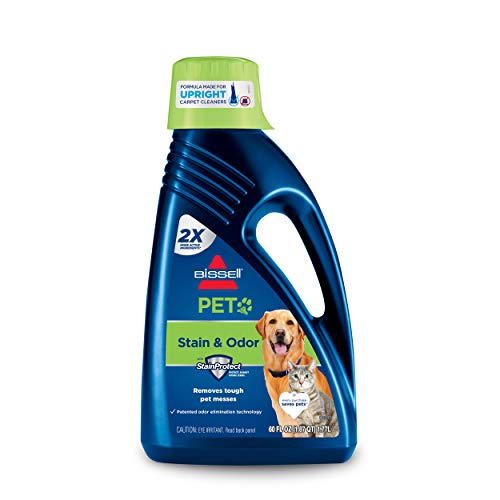
- Pet urine stain remover carpet shampoo machine
- Carpet cleaning machine for pet urine odor removal
- Enzyme-based carpet deodorizer for dog urine dried stains
- Odor-eliminating carpet cleaner spray for dog urine


Before You Start
Before treating the carpet, identify the affected area and test cleaning products on a hidden spot to check for colorfastness. Move furniture to expose the stain completely and protect nearby surfaces. Allow for adequate ventilation during cleaning and drying. A typical cleaning session may take 1–3 hours, including drying time. Never apply heat to a wet carpet, as it can set stains.
Step-By-Step: How To Clean Dried Dog Urine From Carpet
- Blot the area with clean cloths or paper towels to absorb as much liquid as possible without rubbing, which can push urine deeper into fibers.
- Rinse with cold water lightly to dilute any remaining residue, then blot again to remove excess moisture.
- Apply enzymatic cleaner (the enzymatic carpet cleaner for dog urine removal 32oz is ideal). Generously saturate the stain and surrounding area to reach the entire soiled carpet fibers.
- Let dwell time occur as directed on the product label—this allows enzymes to break down uric acid and organic waste. Avoid walking on the area during this period.
- Use a pet urine stain remover carpet shampoo machine to agitate and extract the solution. If you don’t own a machine, use a stiff-bristled brush to work the cleaner into the fibers before blotting.
- Rinse again and blot thoroughly to remove cleaning residues. A second pass with clean water helps prevent sticky residues that invite re-soiling.
- Apply an enzyme-based carpet deodorizer for dried stains to neutralize remaining odors and prevent recurrence.
- Dry the area completely using fans or a dehumidifier. A dry carpet reduces the chance of mold and mildew growth and helps prevent odor rebound.
- Inspect for remaining odor or stain. If needed, repeat the enzymatic treatment and deodorizer to achieve fresh results.
- Final protection consider applying an odor-eliminating carpet cleaner spray for ongoing freshness and to deter future accidents.
Troubleshooting
| Symptom | Likely Cause | Fix | Prevention |
|---|---|---|---|
| Persistent odor after cleaning | Enzymes did not fully contact residue | Reapply enzymatic cleaner with deeper saturation; extend dwell time | Treat promptly; blot excess moisture quickly |
| Stain reappears after drying | Uric acid crystals remain in fibers | Repeat cleaning with enzyme-based deodorizer | Address urine spots early; use enzyme cleaners |
| Fiber distortion or color change | Over-wetting or harsh cleaners | Rinse thoroughly and allow complete drying | Test cleaners on hidden area first |
| Sticky residue on carpet | Residual cleaning solution | Rinse with clean water and blot until dry | Use small amounts of cleaner at a time |
Common Mistakes
- Using hot water, which can set odors and stains
- Rubbing aggressively, which spreads urine deeper
- Over-wetting the carpet, delaying drying and promoting mold
- Skipping a test patch on colored textiles or carpet fibers
- Relying solely on sprays without enzymatic action for organic soils
Tips For Best Results
- Act quickly when you first notice dried urine stains; early treatment improves outcomes.
- Choose enzymatic cleaners designed for pet urine to break down uric acid and proteins.
- Use a carpet cleaning machine for pet urine odor removal when possible to achieve deeper extraction.
- Always follow the product’s dwell time and safety instructions for best efficacy.
- Ventilate the room well and allow ample drying time to prevent lingering odors.
- Consider a second treatment for heavily soiled areas to ensure complete deodorization.
Call A Professional
Seek professional help if the odor persists after multiple attempts or if the stain covers a large area, especially on delicate or high-pile carpets. Stop work and contact a pro if you notice backing damage, persistent staining, or if the carpet is soaked and not drying within a reasonable timeframe.
FAQ
Can dried dog urine be completely removed from carpet?
Most dried urine can be significantly reduced with enzymatic cleaners and proper extraction, though deep-set staining or odors may require multiple treatments or professional assessment.
How often should I treat pet urine odors?
Treat odors as soon as you notice them and consider periodic maintenance cleaners to prevent future odors, especially in homes with active dogs.
Are enzymatic cleaners safe for pets and humans?
Yes, when used as directed, enzymatic cleaners are designed to break down organic soils without leaving harmful residues.
Should I replace carpet padding if urine is persistent?
If odor returns after multiple cleanings, inspecting or replacing affected padding may be necessary to prevent ongoing issues.
Is vinegar a good substitute for enzymatic cleaners?
Vinegar can help with some odors but is typically less effective on dried urine than specialized enzymatic formulas.
Buying Guide
When selecting products to tackle dried dog urine on carpets, consider these factors to optimize results and value.
- Size and concentration: Look for a 32oz bottle or larger for better value and repeat cleanups in large rooms.
- Active ingredients: Enzymatic cleaners with protease and urease enzymes target organic soils and uric acid.
- Odor elimination: A carpet deodorizer that complements enzymatic cleaners provides long-lasting freshness.
- Machine compatibility: If using a carpet cleaning machine, ensure the product works well with extraction systems and is safe for upholstery.
- Surface compatibility: Confirm the product is safe for your carpet fiber (nylon, polyester, or wool) and colorfastness.
- Drying time: Fast-drying formulations reduce downtime and prevent mold growth.
- Ease of use: Scent strength, label clarity, and clear instructions influence user experience.
- Value and replacement cycles: Consider how often you’ll replace products based on stain frequency and household pets.
Would you like recommendations tailored to a specific carpet type or dog behavior? A combination of the enzymatic cleaner and odor-eliminating spray often yields the best balance of stain removal and long-lasting freshness for most American homes.