Door mats collect dirt, mud, and grime from daily foot traffic. Proper cleaning extends their life and keeps entryways looking inviting. This guide walks American homeowners through practical steps using common tools and safe products to refresh both indoor and outdoor mats.
Whether you have a rubber, coir, or fabric mat, a routine cleaning routine helps prevent buildup that can stain floors and attract more dirt. The methods below emphasize accessibility, minimal effort, and results you can trust.
Quick Answer
Choose the right method based on mat material: rubber mats respond well to brushing and a rinse; coir mats benefit from dry brushing and gentle soap; machine-washable fabrics may be laundered with a microfiber kit. Use a designated brush for scrubbing, apply a safe stain remover spray if needed, and air-dry completely before reusing.
What You’ll Need
- rubber door mat cleaning brush
- coir doormat cleaning tool kit
- indoor outdoor mat scrub brush set
- doormat stain remover spray safe for mats
- machine washable door mat care kit microfiber


Before You Start
Assess the mat type and current condition before cleaning. For delicate fabrics, spot cleaning may prevent fiber damage. Schedule cleaning on a day with mild weather if the mat will be air-dried outside. Consider laying a drop cloth or old towel to catch rinsing runoff and protect floors. Important: test any cleaning product on a small, inconspicuous area first to avoid discoloration or fiber damage. Time estimate: 30–60 minutes including drying time.
Step-By-Step: How To Clean A Door Mat
- Remove the mat from the doorway and shake or beat out loose dirt to reduce embedded debris.
- Vacuum both sides to pick up embedded dust and hair before wet cleaning.
- For rubber mats, scrub with a rubber door mat cleaning brush using a mix of warm water and a mild detergent.
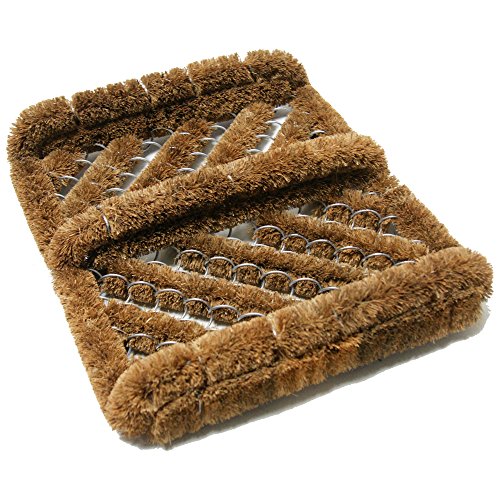
- For coir mats, use a soft broom or the coir doormat cleaning tool kit to avoid fraying fibers, then lightly dampen if necessary.
- Apply doormat stain remover spray safe for mats to any visible stains and let it sit for 5–10 minutes before brushing.
- Rinse away grime with a gentle spray from a hose or bucket of water, ensuring the mat drains well and does not become oversaturated.
- For machine-washable fabrics, place the mat in a washing machine with a delicate cycle and microfiber door mat care kit cleaner; air-dry completely away from direct heat.
- Inspect after drying; repeat targeted cleaning on stubborn spots if needed, using a soft brush and minimal moisture.
- Reinstall the mat with the underside facing the floor to maintain grip and prevent sliding.
- Store excess cleaning tools in a designated cleaning caddy for easy access on future cleanings.
- Schedule routine cleanings every 1–3 months depending on traffic and climate.
- For heavily soiled areas, consider repeating the process or using a more robust stain remover formulated for mats.
Troubleshooting
| Symptom | Likely Cause | Fix | Prevention |
|---|---|---|---|
| Mat retains odor after cleaning | Residual moisture or trapped grime | Rewash with an odor-neutralizing cleaner and ensure complete drying | Dry thoroughly in a warm, shaded area |
| Discolored patches after cleaning | Incompatible cleaners or fiber damage | Rinse thoroughly and test cleaner on a hidden area | Use manufacturer-recommended products |
| Streaks or soap residue | Over-foaming detergent | Rinse with clean water until no soap remains | Use minimal suds and thorough rinsing |
| Mat remains slippery when dry | Excess moisture or slick surface | Air-dry completely; lightly wipe with dry towel to remove moisture | Place mat in a well-ventilated area |
Common Mistakes
- Using hot water on delicate fabrics, which can shrink or fray fibers.
- Over-wetting coir mats, leading to warping or prolonged drying times.
- Skipping a full rinse, leaving soap residues that attract more dirt.
- Ignoring mat mats’ underside, which can reduce grip and wear unevenly.
With careful attention to material needs, most door mats respond well to routine cleaning that keeps entryways neat and safe.
Tips For Best Results
- Brush before washing to lift deeply embedded dirt.
- Work from the center outward to avoid spreading grime.
- Use a microfiber cloth to wipe any remaining residue after rinsing.
- Choose a stain remover spray that is safe for mats and follow label directions.
- Store cleaning tools in a dedicated basket near the entry so maintenance is quick.
Call A Professional
Call a professional if the mat shows signs of mold growth, persistent stains that resist cleaning, or fiber damage that affects function. Seek expert advice for oversized or specialty mats that require tailored care to prevent warping or color loss.
FAQ
Can I wash all door mats in a washing machine?
Most machine-washable mats can be cleaned on a gentle cycle, but check care labels first. Delicate fibers and thick rubber composites may require hand washing or spot cleaning.
What’s the best brush for cleaning different mats?
Use a rubber door mat cleaning brush for rubber mats, a coir-tuned brush for fiber-based mats, and a general indoor outdoor mat scrub brush set for mixed surfaces.
How often should I clean an outdoor mat?
Outdoor mats should be cleaned every 1–2 months during heavy use seasons, and more often in wet climates.
Are there eco-friendly cleaners for mats?
Yes, many gentle, plant-based cleaners are safe for mats when used according to label directions and thoroughly rinsed.
What should I do with a stained mat that won’t clean?
Spot-treat with a stain remover spray safe for mats and repeat brushing. If stubborn, consider replacing the mat to maintain a clean entryway.
Is it safe to use a pressure washer on mats?
Pressure washing can damage some mats, especially delicate fibers. Avoid high-pressure cleaning unless the mat is rated for it.
How can I dry mats quickly indoors?
Lay the mat flat in a well-ventilated area or near a fan to accelerate drying and prevent mold formation.
Buying Guide
Choosing the right mat care approach depends on size, material, and location. When evaluating cleaning tools, consider compatibility with mat types (rubber, coir, fabric), ease of use, and storage convenience. For those balancing convenience with effectiveness, a combined kit that includes a dedicated door mat brush, a coir-appropriate tool, a stain remover spray safe for mats, and a microfiber care set can cover most cleaning scenarios. Noise level and energy use are typically not major factors for handheld cleaning tools, but choose ergonomic handles and lightweight brushes for comfortable, frequent use. Placement considerations include whether the mat is used indoors or outdoors, and whether it needs quick-drying properties after cleaning. If you live in a high-traffic home or a rainy climate, a larger, more absorbent outdoor mat may reduce indoor dirt and simplify maintenance. Compare kits based on material compatibility, drying time, and storage footprint to find the best fit for your entryway routine.