Pet accidents happen, and timely, effective cleaning is essential to remove odor, prevent staining, and protect indoor air quality. This guide provides a practical, step-by-step approach using common enzyme-based cleaners and consumer tools to restore carpet beauty and freshness.
The advice below focuses on typical household scenarios in American homes, with safe handling of cleaning products and practical drying strategies to minimize downtime and disruption.
Quick Answer
Act quickly: blot to remove moisture, treat with an enzyme-based cleaner to break down urine proteins, rinse or extract, and thoroughly dry. For lingering smells or visible stains, repeat treatment and consider a deodorizer to neutralize odors.
What You’ll Need
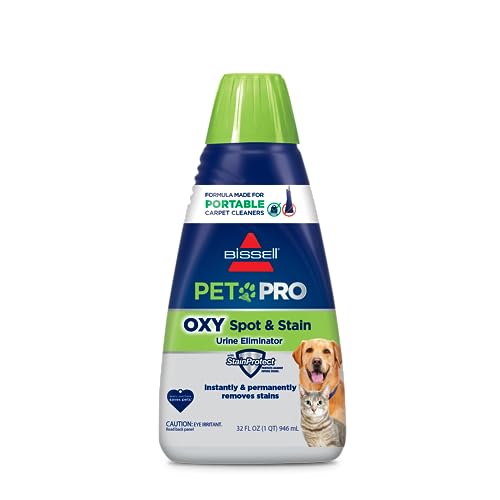
- Enzyme carpet cleaner for pet urine 32 oz spray
- Pet urine stain remover carpet enzymatic cleaner
- Portable carpet cleaning machine for pet urine
- Carpet deodorizer odor neutralizer for pets
- Blacklight flashlight to locate pet urine stains on carpet


Before You Start
Prepare the area by moving furniture and placing towels or a containment area to catch excess moisture. Test each cleaning product on a small, inconspicuous carpet patch to ensure colorfastness. Work in a well-ventilated space and wear gloves to protect skin. Expect a cleaning session to take 30–90 minutes per stain, depending on room size, carpet thickness, and drying conditions. Do not mix cleaners and avoid saturating the carpet to prevent mold growth.
Step-By-Step: How To Clean Dog Pee From Carpet
- Locate the full extent of the stain, using a blacklight flashlight to locate pet urine stains on carpet if needed, then blot up as much urine as possible with paper towels or a clean cloth.
- Apply a light amount of water to dampen the area, then blot again to dilute and lift additional liquid without pushing it deeper into the fibers.
- Apply an enzyme carpet cleaner for pet urine 32 oz spray or an pet urine stain remover carpet enzymatic cleaner directly to the stained area, following the product’s labeled directions.
- Allow the enzyme cleaner to sit for the recommended dwell time to break down organic compounds; avoid over-wetting the carpet during this step.
- Use a portable carpet cleaning machine for pet urine or a clean sponge to extract the cleaning solution along with dissolved contaminants.
- Rinse lightly with clean water if the product instructions permit, then extract again to remove moisture and reduce residue that could attract dirt.
- Apply a carpet deodorizer odor neutralizer for pets to neutralize any remaining odor, paying extra attention to high-traffic areas and padding near the surface.
- Allow the carpet to dry completely. If possible, increase airflow with fans or open windows, and avoid walking on the area until fully dry.
Troubleshooting
| Symptom | Likely Cause | Fix | Prevention |
|---|---|---|---|
| Persistent odor after treatment | Insufficient dwell time or under-application | Re-apply enzyme cleaner, extend dwell time, and re-extract | Address urine source; use larger coverage area |
| Stain reappears after drying | Urine penetrated to pad or subfloor | Use deeper cleaning and consider removing and drying padding | Limit saturation and address pad moisture |
| Leftover residue or stiffness | Over-application or improper rinse | Rinse lightly and extract thoroughly; avoid excess product | Follow label closely on dilution and dwell times |
| Carpet feels damp for long | Inadequate drying | Increase airflow, use dehumidifier, and wait longer | Plan for a second drying day if needed |
Common Mistakes
- Using ammonia-based cleaners on urine stains, which can worsen odor over time
- Soaking the carpet too deeply, which traps moisture and leads to mold
- Rubbing or scrubbing aggressively, which can damage fibers and spread stains
- Skipping the drying phase, allowing damp fibers to linger and retain odors
Tips For Best Results
- Act quickly: the sooner you treat a urine spot, the easier it is to remove.
- Use enzyme-based cleaners designed for pet urine; they degrade uric acid and organic material rather than simply masking odors.
- Test cleaners on a hidden area first to prevent color changes or fiber damage.
- Work from the outer edge of the stain toward the center to prevent spreading.
- Combine cleaning with deodorizing to address both stain and scent.
- Consider a portable carpet cleaning machine for repeatable, consistent results on larger areas.
Call A Professional
Seek professional help if stains are extensive, if the urine has seeped into padding or subfloor, or if odors persist after multiple cleanings. Persistent moisture, mold growth, or health concerns call for licensed carpet cleaning services or remediation specialists.
FAQ
What is the best cleaner for pet urine on carpet?
Enzyme-based cleaners designed for pet urine are typically most effective because they break down proteins that cause odor and stain.
How long does it take for carpet to dry after cleaning?
Drying times vary with room temperature, humidity, and airflow, but most carpets dry within 4–24 hours; use fans or a dehumidifier to speed up the process.
Can I use vinegar on pet urine stains?
Vinegar can help with mild odors but is not a substitute for enzymatic cleaners on urine stains.
Should I replace padding if urine has soaked through?
If urine reaches the padding or subfloor, replacement or professional remediation may be necessary to fully restore conditions.
How can I prevent future accidents?
Address behavioral issues, schedule regular bathroom breaks for pets, and consider training aids or deterrents as recommended by a veterinarian or behaviorist.
Buying Guide
When selecting products for cleaning dog urine from carpet, consider size, effectiveness, and ease of use. Below are key buying factors to help compare options and tailor choices to home needs.
Key Buying Factors
- Size and capacity: Choose a bottle size that matches typical stain frequency and room size; larger bottles reduce reordering but may be heavier to handle.
- Enzymatic effectiveness: Look for enzymes that break down uric acid and organic material for lasting odor control.
- Carpet compatibility: Verify that the product is safe for your carpet fiber (nylon, polyester, etc.) and colorfastness.
- Application method: Sprays, foams, or concentrates with machine compatibility offer different ease of use and coverage.
- Odor neutralization: Some products pair cleaners with odor restrictors or deodorizers for persistent smells.
- Drying support: Consider products that work well with or without a carpet cleaning machine, and whether they aid faster drying.
- Germ and allergen considerations: Some formulas include sanitizing properties for households with sensitivities.
- Placement and storage: Store upright, away from children and pets, in a cool, dry place to preserve effectiveness.
Would you like recommendations tailored to carpet type, room size, and typical pet behavior? A quick assessment of your space can help identify the best combination of cleaners, tools, and drying aids for reliable results.